Breville Barista Express Impress: How Long Should Extraction Take?
If you’ve recently unboxed the Breville Barista Express Impress, you’re likely chasing that perfect shot of espresso. One of the most common questions new owners face is exactly how long the extraction should take. The answer isn’t just a number; it’s a balance between the grind size, dose, and tamp pressure that the Impress’s assisted system helps you nail. Get the timing right, and you’re rewarded with a balanced, flavorful shot; get it wrong, and you’re either drinking sour lemon juice or bitter tar.
In this guide, we’ll break down the ideal extraction window for the Breville Barista Express Impress, what to do when your shot runs too fast or too slow, and how to use the machine’s unique features to dial in precisely. We’ll also cover common owner experiences and answers to your pressing questions.
What Is the Ideal Extraction Time for the Breville Barista Express Impress?
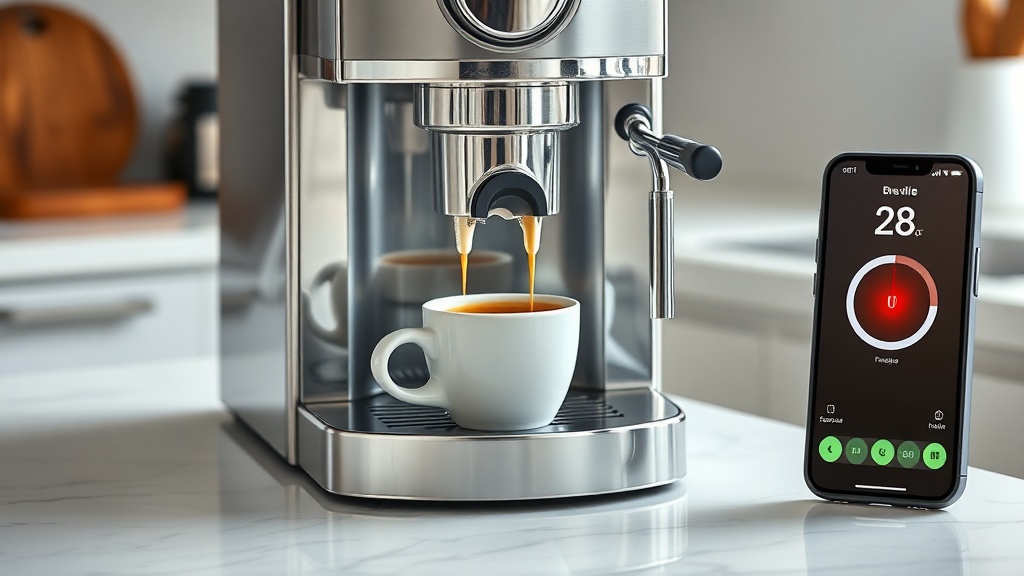
The universally accepted target for a standard espresso extraction is between 25 and 30 seconds. This timing starts the moment you press the extraction button and ends when the machine stops. For the Breville Barista Express Impress, which uses a 54mm portafilter and a standard dose of 18–20 grams of coffee, aim for a 1:2 ratio (e.g., 18g in: 36g out) within that 25–30 second window.
If your shot is gushing out in under 20 seconds, you’re likely grinding too coarse or have insufficient dose. If it drips slowly and takes over 35 seconds, the grind is too fine, or the dose is too high. The Impress’s assisted tamping and dose control help you stay in the ballpark, but you still need to adjust the grind burr setting (inner and outer) to fine-tune the flow.
Remember, the built-in pressure gauge is your friend: aim for the “espresso range” (usually the middle zone) during extraction. If the needle stays in the low pressure zone, your shot is running too fast; if it pegs into the high zone, it’s too slow.
Why Is My Breville Barista Express Impress Extraction Too Fast (Under 20 Seconds)?
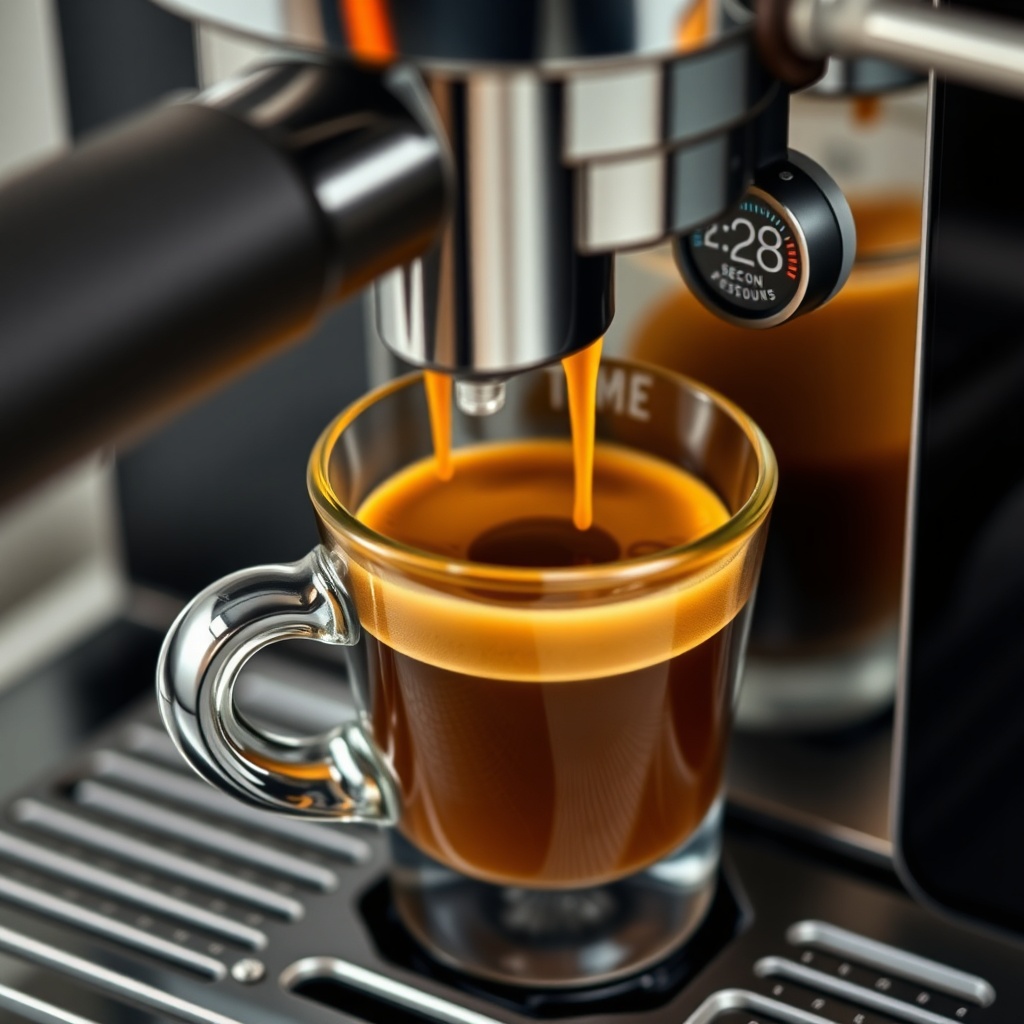
A lightning-fast extraction often results in a thin, sour, or under-extracted shot. On the Breville Barista Express Impress, this usually points to one of three issues:
- Grind too coarse: The Impress’s integrated grinder has a wide range, but if you’ve set it too coarse, water will rush through the puck. Try adjusting the upper burr setting to a finer number. Even a single step can make a significant difference.
- Insufficient dose: The Impress uses a “Dose Control” system that automatically measures your coffee. If the dose is below 18g, the puck will be thin and allow channeling. Manually check the dose by weighing it—aim for 18–20g depending on your bean.
- Stale or over-roasted beans: Beans that are too old or dark will degas quickly and offer less resistance. Fresh, medium-roast beans usually perform best in the Impress.
If you’re still experiencing fast shots after correcting these factors, ensure your assisted tamp is level and applies consistent pressure (the Impress uses a spring-loaded mechanism, but the puck surface should be even).
Why Is My Breville Barista Express Impress Extraction Too Slow (Over 40 Seconds)?
A slow extraction produces a dark, bitter, or over-extracted shot that may taste burnt or ashy. On the Breville Barista Express Impress, common culprits include:
- Grind too fine: The most frequent cause. If your shot is dripping slowly, move the burr adjustment to a coarser number. Start with one step coarser and test again.
- Over-dosing: The Impress’s dose control can occasionally overfill if beans are dense or oily. Weigh your dose—anything above 20g for the stock double basket will choke the shot. Reduce to 18–19g if needed.
- Clogged shower screen or basket: Old coffee oils can build up and restrict flow. Clean the shower screen and basket regularly. If you’ve neglected descaling, scale can also block the group head. Follow the Breville Barista Express Impress Descaling Guide: Step by Step for proper maintenance.
A slow extraction can also occur if your beans are extremely fresh (roasted within 2-3 days). Let them rest for 5-7 days post-roast for best results.
How Does the Assisted Tamping and Dose Control Affect Extraction Time?
The Breville Barista Express Impress is unique because it automates two key variables: dosing and tamping. The Dose Control system uses a mechanical lever to grind coffee directly into the portafilter until it reaches a set volume (not weight). The Impress then uses a spring-loaded tamper to apply a consistent 10 kg of pressure.
While this removes a lot of guesswork, it doesn’t guarantee perfect timing every time. Because the dose is based on volume (not weight), density differences between beans can lead to variations in dose weight. A light-roast bean might fill the basket with 17g, while a dark roast could pack 19g. This alone can shift your extraction time by 5–10 seconds. You can override the dose control by manually holding the portafilter down longer to add more coffee, or by pressing the “Pulse” button to add small increments.
The assisted tamp is reliable, but if the coffee is clumpy or the basket is overfilled, the tamp might leave an uneven surface, promoting channeling. Always check for a level puck after tamping.
What’s the Best Grind Size for the Ideal Extraction on the Impress?
The Breville Barista Express Impress has a 30-setting integrated grinder, plus an internal burr adjustment (accessible by removing the hopper) with 10 micro-adjustments. For a standard medium-roast espresso, most users find success starting at an upper burr setting of 12–15 and an inner burr setting of 5–6 (factory default).
Here’s a quick reference table for troubleshooting extraction times:
| Extraction Time | Taste Profile | Action Required |
|---|---|---|
| Under 20 seconds | Sour, thin, watery | Finer grind or increase dose |
| 20–25 seconds | Mild, slightly under-extracted | Slightly finer grind |
| 25–30 seconds (target) | Balanced, sweet, full-bodied | Perfect – no change needed |
| 30–40 seconds | Bitter, over-extracted | Coarser grind or reduce dose |
| Over 40 seconds | Very bitter, ashy, burnt | Coarse grind, check for clogs |
If you’re switching between light and dark roasts, you may need to adjust the inner burr. Light roasts often require a finer grind, while dark roasts need a coarser one. Expect to dial in again with each new bag of beans.
What If My Machine’s Pressure Gauge Indicates a Problem?
The Breville Barista Express Impress features a built-in pressure gauge that provides real-time feedback during extraction. Here’s a severity table to help you interpret the readings:
| Pressure Zone | Usually Not Urgent | Needs Attention Soon |
|---|---|---|
| Low (pre-infusion) | Normal for first 5–8 seconds; gauge rises as pump engages. | If it stays low after 10 seconds, grind is too coarse or dose insufficient. |
| Middle (espresso range) | Optimal; shot will be balanced with proper timing. | If needle dances erratically, channeling may be occurring—check puck prep. |
| High (over-pressure) | Rarely urgent; may indicate a slightly over-tightened basket. | If sustained, grind is too fine or basket is clogged. Clean and descale soon. |
| Max (red zone) | Not normal; avoid pulling shots until resolved. | Immediate action needed: deep clean group head, descale, or replace inner seal. |
If your pressure gauge consistently reads high, check the Breville Barista Express Impress Auto Frother Not Frothing: Fixes guide for steam issues, as scale can affect both circuits. Likewise, if the gauge reads low, revisit your grind size and dose.
What Owners Say About Extraction Timing
“I thought 30 seconds was the law, but my Impress runs perfect at 35 seconds with a lighter roast.” – Many owners discover that the 25–30 second rule is a starting point, not an absolute. Lighter roasts often need a slightly longer extraction to fully develop the flavors, while darker roasts may taste best at 25 seconds. Don’t be afraid to adjust based on taste.
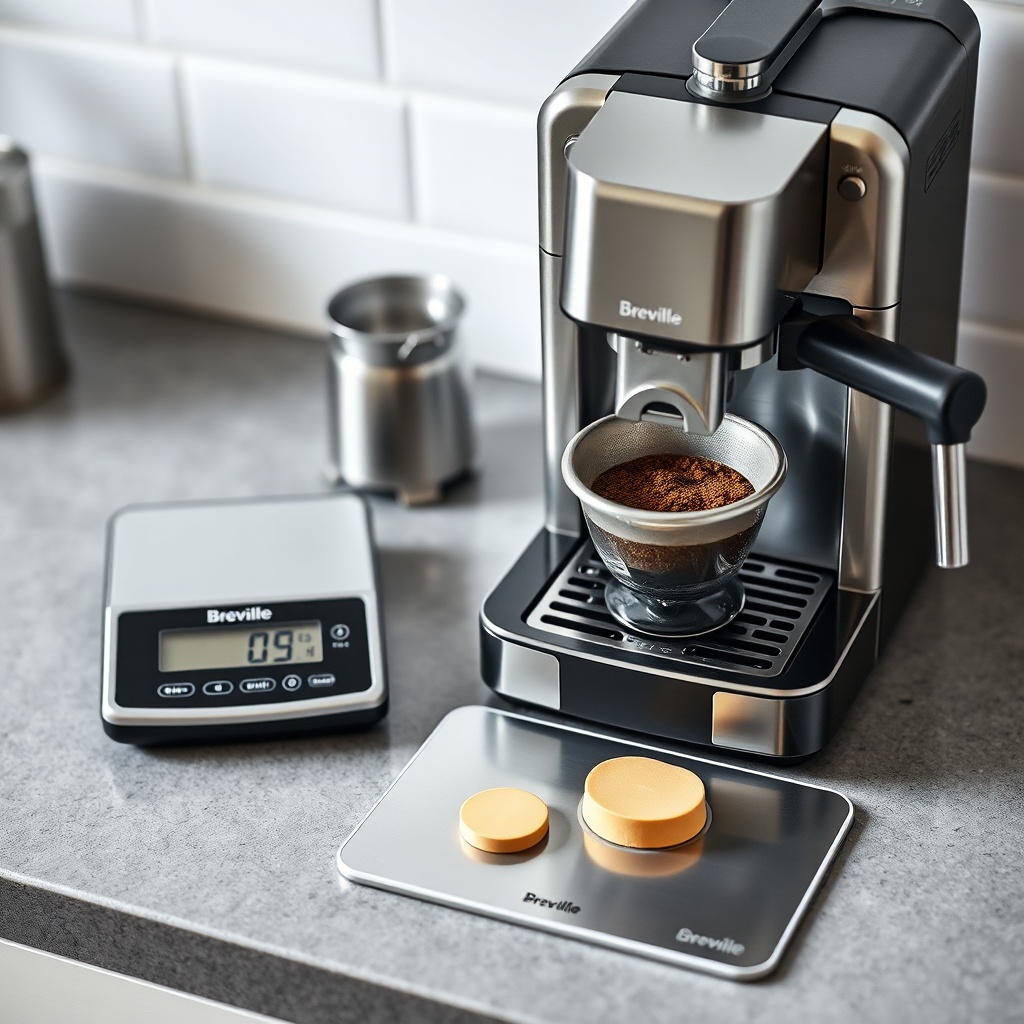
“The dose control is great, but I still weigh every shot. Volume can be off by 2g depending on the bean.” – A common observation from experienced users. The Impress’s volume-based dosing is convenient, but for consistency, many owners keep a small scale nearby. Weighing the dry dose and the final espresso weight (in grams) is the most reliable way to hit your target ratio.
Frequently Asked Questions
1. Should I start the timer when I press the button or when espresso first appears?
Always start the timer the moment you press the extraction button. The pre-infusion period (where water wets the puck at low pressure) is part of the extraction process. Most recipes assume a total time from button press to stop.
3. Does the Impress’s pre-infusion affect the extraction time?
Yes. The Breville Barista Express Impress has a low-pressure pre-infusion that lasts about 5–8 seconds before the pump ramps to full pressure. This helps distribute water evenly and improves extraction. Account for this when timing; a 30-second total extraction includes that pre-infusion time.
5. Can I change the pre-infusion time on the Impress?
No, the pre-infusion is automatic and not adjustable on the standard Impress model. However, you can influence it by grinding finer or coarser, which affects how quickly the pressure builds. The Impress is designed to handle this automatically.
7. Why does my shot sometimes take 50 seconds even with the same grind setting?
If your grind setting hasn’t changed, the likely cause is inconsistent dose or stale/old beans. Check that your dose weight is within 0.5g of your target. Old beans lose their oils and become brittle, allowing water to flow too fast (or too slow if they’ve absorbed moisture). Always use fresh, whole-bean coffee stored in an airtight container.
9. Should I use the single or double basket for testing extraction?
Stick with the double basket (the larger one) for dialing in. Single baskets are notoriously finicky and harder to get consistent results. The Impress is optimized for the double basket, and you’ll find much more success targeting 18–20g of coffee.
11. How do I know if my puck is properly prepared after the assisted tamp?
After tamping, the puck surface should be level and smooth, with no cracks or uneven edges. If you see a divot or a ridge, the dose may be too high, or the coffee was distributed poorly. Use the Razor tool (supplied with the machine) to trim off excess coffee if needed. A properly prepared puck will have uniform resistance.
If you’re still struggling with inconsistent shots, consider reading our comparison guide to see if the Breville Barista Express Impress vs Barista Pro: Which Wins? might offer a better fit for your workflow.