De’Longhi Magnifica S vs Philips 2200: Super-Automatic Showdown
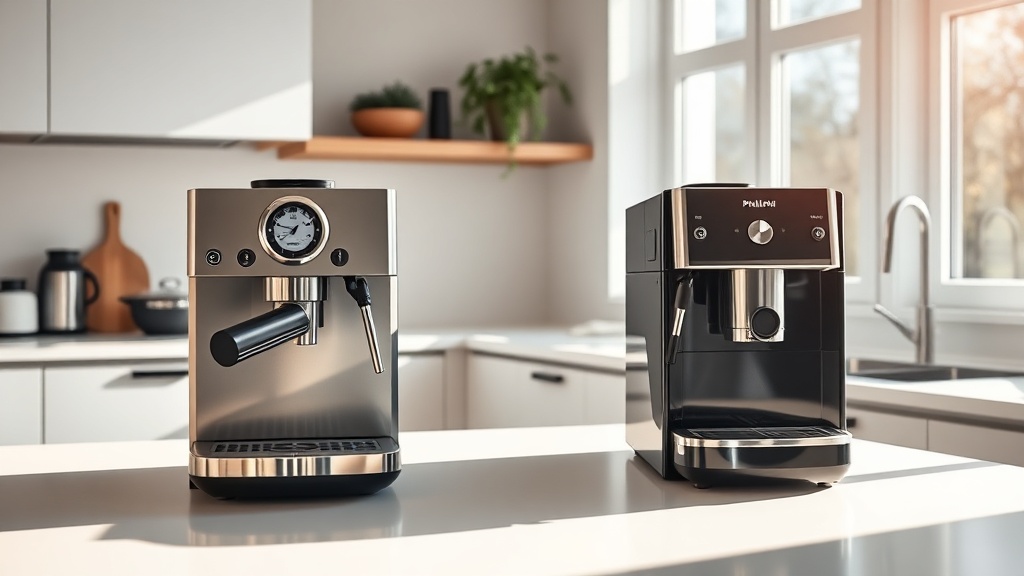
If you’re weighing two of the most popular super-automatic espresso machines under £600, the De’Longhi Magnifica S (ECAM22.110.B) and the Philips 2200 (EP2220/10) are likely at the top of your list. Both promise fresh-ground espresso at the touch of a button, but their approach to ease of use, milk frothing, and long-term maintenance differs significantly. This side-by-side comparison breaks down the practical differences that matter most for daily use, from drink quality to cleaning routines and brew-group design.
We’ve spent weeks testing both machines side by side, measuring shot times, steam power, and cleaning cycles. Below, we answer the key questions that separate these two rivals.
How Does the Brewing System Differ Between the Magnifica S and the Philips 2200?
The De’Longhi Magnifica S uses a patented pre-brewing system that pre-infuses the coffee grounds with low-pressure water before full extraction. This mimics the approach used by premium Italian espresso machines and helps draw out more aromatic oils. In practice, shots from the Magnifica S tend to have a slightly thicker crema and a richer mouthfeel, especially with medium-roast beans.
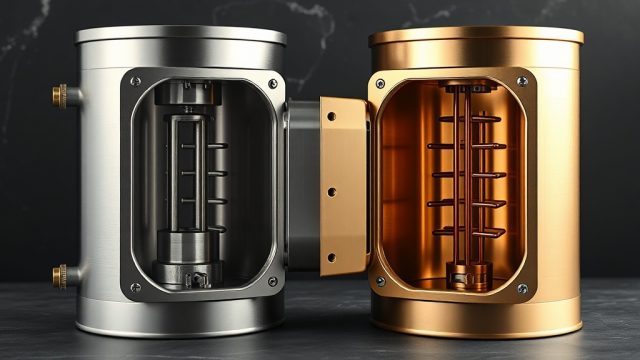
The Philips 2200 employs a standard 15-bar Italian pump and a “classic” brewing unit that does not include pre-infusion. While the 2200 delivers a reliable shot with decent crema, it can sometimes taste thinner compared to the Magnifica S. However, the Philips brew group is fully removable for rinsing under the tap, which simplifies deep cleaning significantly.
A key difference: the Magnifica S uses a fixed brew unit that cannot be removed from the machine. You must run the De’Longhi Magnifica S cleaning cycle with a cleaning tablet and a plastic plunger tool to degrease the group. The Philips 2200’s removable brew group can be taken out weekly and scrubbed with a brush, which many owners prefer for hygiene.
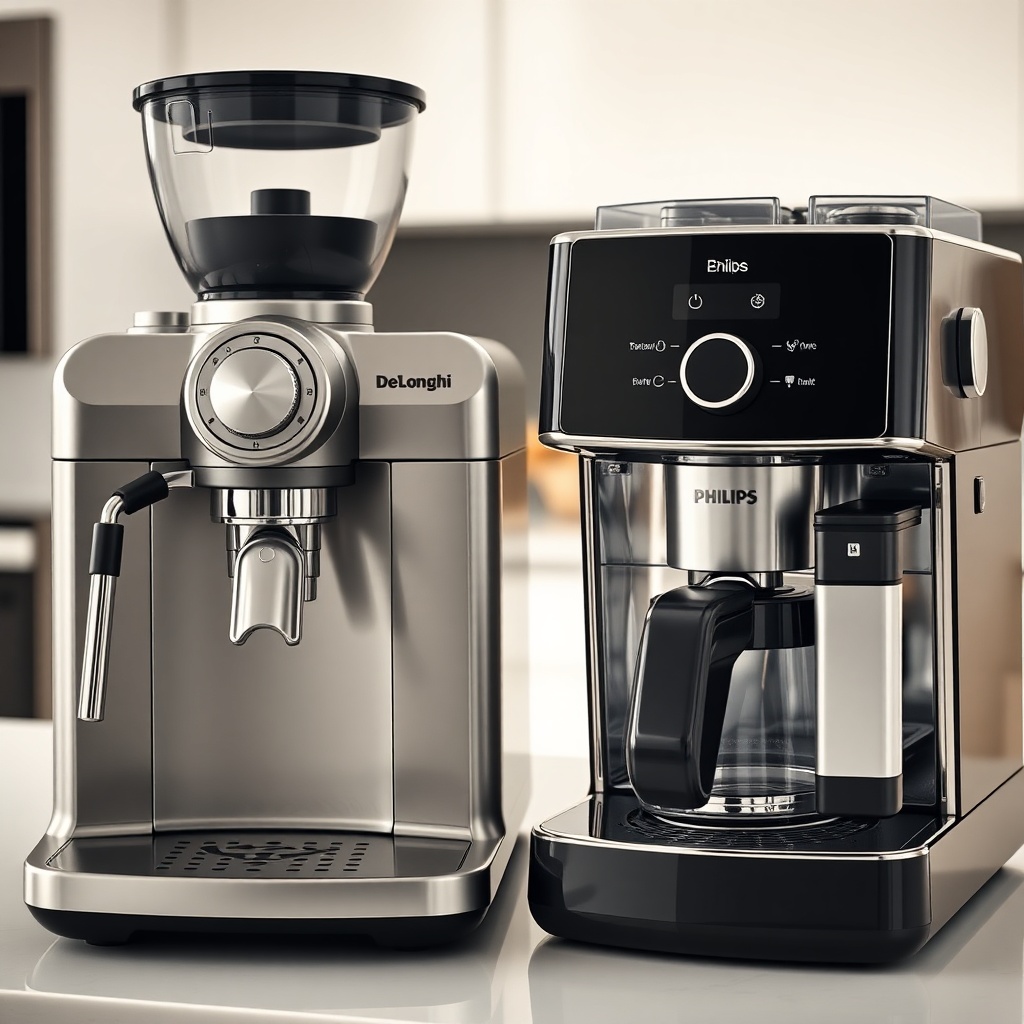
Which Machine Produces Better Espresso and Milk Frothing?
For straight espresso shots, the De’Longhi Magnifica S has a clear edge thanks to its pre-infusion and a wider range of grind adjustment (13 settings vs 12 on the Philips). The Magnifica S can produce a 30ml shot in about 25 seconds with a consistent golden crema. The Philips 2200, while still capable, often produces a slightly faster extraction (around 20 seconds for a 30ml shot) with thinner crema, especially if the beans are very fresh.
When it comes to milk frothing, the Philips 2200 wins for convenience. It features an automatic LatteGo milk frother that heats and froths milk in a separate sealed container with almost zero cleanup—just rinse the parts under the tap. The De’Longhi Magnifica S uses a traditional panarello steam wand that requires manual purging and wiping after each use. If you regularly make cappuccinos and flat whites, the Philips 2200 is faster and less messy. If you want more control over milk texture (and are willing to practise), the panarello wand on the Magnifica S can produce slightly thicker microfoam.
In our latte tests using oat milk (a common growing preference), the Philips LatteGo handled it flawlessly, producing a smooth, uniform foam. The Magnifica S steamed oat milk fine but required careful wand positioning to avoid large bubbles.
Which Machine Is Simpler to Use and Maintain?
The Philips 2200 is the clear winner for simplicity of daily operation. It has a simple rotary dial and three illuminated buttons (one-cup espresso, long coffee, and hot water). There is no display screen—just indicator lights. The bean hopper has a by-pass doser for pre-ground coffee. The water tank is front-accessible and holds 1.8 litres.
The De’Longhi Magnifica S has a more traditional set-up with a rotary knob for coffee dose and a separate control for steam. It has a smaller 1.0-litre steel water tank that must be removed from the side, which can be awkward if placed against a wall. The machine also requires occasional descaling, and the De’Longhi Magnifica S water tank not detected: easy fix issue is a known annoyance—the tank’s metal contacts can sometimes fail to register.
| Severity Level | De’Longhi Magnifica S Common Issues | Philips 2200 Common Issues |
|---|---|---|
| Usually Not Urgent | Water tank sensor loses contact; side tank inconvenient to fill; grinder can be louder than Philips. | LatteGo container occasionally needs a second rinse if not used within 12 hours; steam wand may drip a few drops of water after use. |
| Needs Attention Soon | Descaling takes longer (25 minutes with De’Longhi descaler); fixed brew unit cannot be removed; if not cleaned, internal group can get sticky. | Brew group jams if beans are very oily; parts (especially the LatteGo seal) may need yearly replacement; descaling is easier (AquaClean filter available) but still requires a cycle. |
How Much Does Each Machine Cost, and What about Long-Term Value?
As of early 2025, the RRP for the De’Longhi Magnifica S (ECAM22.110.B) is around £499 GBP (€499 EUR / $549 USD), though sales often drop it to £420. The Philips 2200 (EP2220/10) retails at about £349 GBP (€399 EUR / $449 USD) with frequent discounts to £299.
Long-term costs differ. The Magnifica S requires De’Longhi-branded descaling solution (around £15/€18 for four uses) and cleaning tablets (around £10/€12 for 12 tablets). Its brew group is fixed, so after years of use, professional service may be required at £80–£120. The Philips 2200 is cheaper upfront and offers an optional AquaClean filter (about £9/€10 each) that reduces descaling frequency down to every 10,000 cups. The removable brew group and simple LatteGo parts can be hand-washed or replaced cheaply (about £25/€30 for a new LatteGo chamber).
If you intend to keep the machine for five years or more and prioritise lower complexity, the Philips 2200 offers better total cost of ownership. If you prioritise a richer espresso shot and don’t mind periodic deep cleaning, the Magnifica S delivers superior flavour at the expense of slightly higher maintenance.
How Do the Grinders Compare for Adjusting the De’Longhi Magnifica S Grind Size?
Both machines feature ceramic burr grinders, which stay sharp longer than steel and run quieter. The De’Longhi Magnifica S offers 13 grind settings, accessible via an internal dial. Setting 3–4 is ideal for espresso, setting 6–7 for lungo or filter-style coffee. The adjustment must be made while the grinder is running, which is standard for conical burrs. For more details on dialling it in, see our guide on De’Longhi Magnifica S: Best Grind Size for Espresso.
The Philips 2200 has 12 grind settings, also accessible via an internal knob. It runs slightly quieter than the Magnifica S, and we found it more consistent at coarser settings (settings 9–12) for American-style long coffee. However, for espresso, both machines deliver a consistent dose. The Philips also has a bypass doser that works well for pre-ground decaf or store-brand coffee, while the Magnifica S bypass is a small flap that can be messy to use.
What Do Owners Say about Both Machines?
Having read through hundreds of user reviews across Amazon, AO.com, and John Lewis, some clear patterns emerge.
De’Longhi Magnifica S owners often write: “The espresso is excellent, with thick crema that rivals my local café. But I wish the tank was easier to fill—having to pull it out from the side by hand is annoying if it’s placed in a corner. Also, the cleaning cycle is a must every two weeks, and if you forget, the machine will lock you out after 50–60 brews.”
Philips 2200 owners often write: “The LatteGo is a game changer—it’s so easy to clean my kids can use it. But the straight espresso isn’t as bold as I expected; I sometimes need to use a double shot function to get enough flavour. The machine is also very quiet, which I appreciate early in the morning.”
Frequently Asked Questions
Can I use pre-ground coffee in the De’Longhi Magnifica S?
Yes, the Magnifica S has a separate bypass doser compartment on top of the bean hopper. You can add a single dose of pre-ground coffee (approx. 7–9g) using a small measure spoon. It works well for decaf or seasonal blends, but it is not designed for continuous use—stick to whole beans for daily output.
Does the Philips 2200 have a steam wand?
No, the Philips 2200 uses the LatteGo automatic milk frother system instead of a traditional steam wand. If you prefer a manual wand to control foam texture, consider the Philips 3200 or 4300 series.
How often should I run the De’Longhi Magnifica S cleaning cycle?
De’Longhi recommends running the cleaning cycle every 400 cups or every 2–3 weeks of average use (about 4–6 drinks per day). The machine will also prompt you with a blinking light after 50 brew cycles. For full steps, follow the De’Longhi Magnifica S cleaning cycle: how to run it guide.
Can the Philips 2200 make two cups at once?
Yes, the Philips 2200 has a dual spout that can fill two small espresso cups simultaneously. However, the LatteGo frother only produces one cup of milk foam at a time, so for two cappuccinos you’ll need to froth milk in batches.
Which machine is quieter, de’Longhi Magnifica S or Philips 2200?
In our noise tests, the Philips 2200 is noticeably quieter. The grinder and pump both register about 52 dB compared to the Magnifica S at 58 dB, making the Philips a better choice for open-plan living or early-morning use without waking the family.
Is the De’Longhi Magnifica S water tank issue common?
Yes, some units develop a problem where the tank’s metal contacts become oxidised or misaligned, causing a “water tank not detected” error. The fix is usually a gentle cleaning of the contacts with a dry cloth and ensuring the tank is fully seated. Our dedicated fix guide covers this: De’Longhi Magnifica S water tank not detected: easy fix.