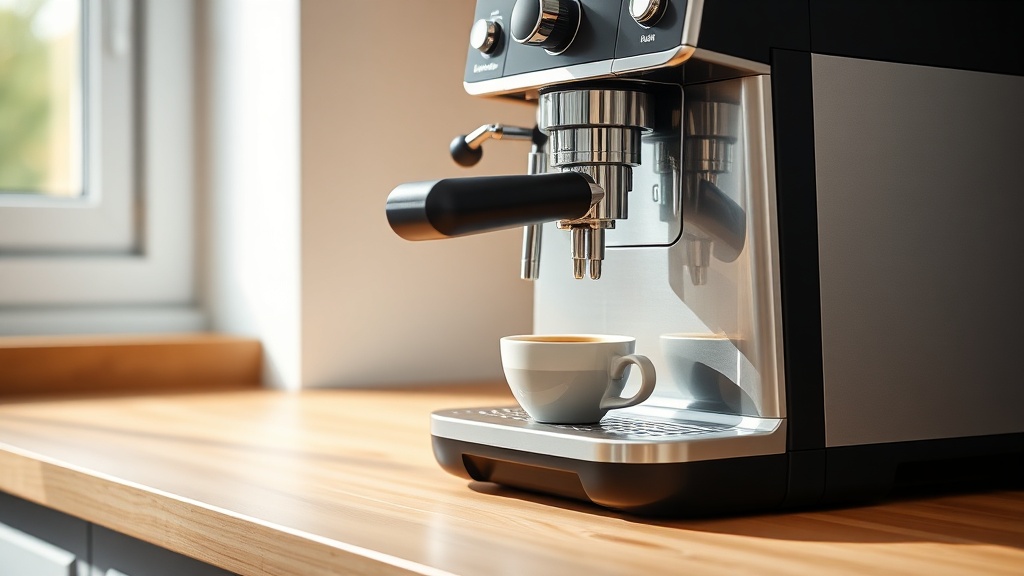
Why Grind Size Matters for Your De’Longhi Magnifica S
The De’Longhi Magnifica S is a capable super-automatic espresso machine, but its built-in grinder can be a source of frustration if not set correctly. Getting the grind size right is the single most important variable for extracting a balanced, flavourful espresso with a proper crema. This guide explains exactly which grind settings work for different beans and how to adjust your machine without damaging it.
What Is the Correct Grind Size Range for the Magnifica S?
The Magnifica S uses a conical steel burr grinder with 13 numbered settings, from 1 (finest) through to 13 (coarsest). For espresso, you should almost always work between settings 2 and 5. Setting 2 produces a very fine powder suitable for dark roasts and high-pressure extraction; setting 5 is a medium-fine grind better for medium roasts or slightly coarser shots. Grinding coarser than 6 will typically produce a thin, under-extracted espresso with little crema. Always start at setting 4 if you are unsure, then adjust one click at a time. Each click changes the particle size by roughly 0.05–0.1 mm, so small adjustments have a noticeable effect on flow rate and taste.
If you use pre-ground coffee (which the Magnifica S does accept via a separate bypass doser), grind size is irrelevant for the internal burrs—but the machine’s default grind setting will still apply if you switch back to whole beans. For a detailed walkthrough on keeping the machine clean during these adjustments, see our guide on the De’Longhi Magnifica S Cleaning Cycle: How to Run It.
How Do Dial Settings Affect Extraction Time and Crema?
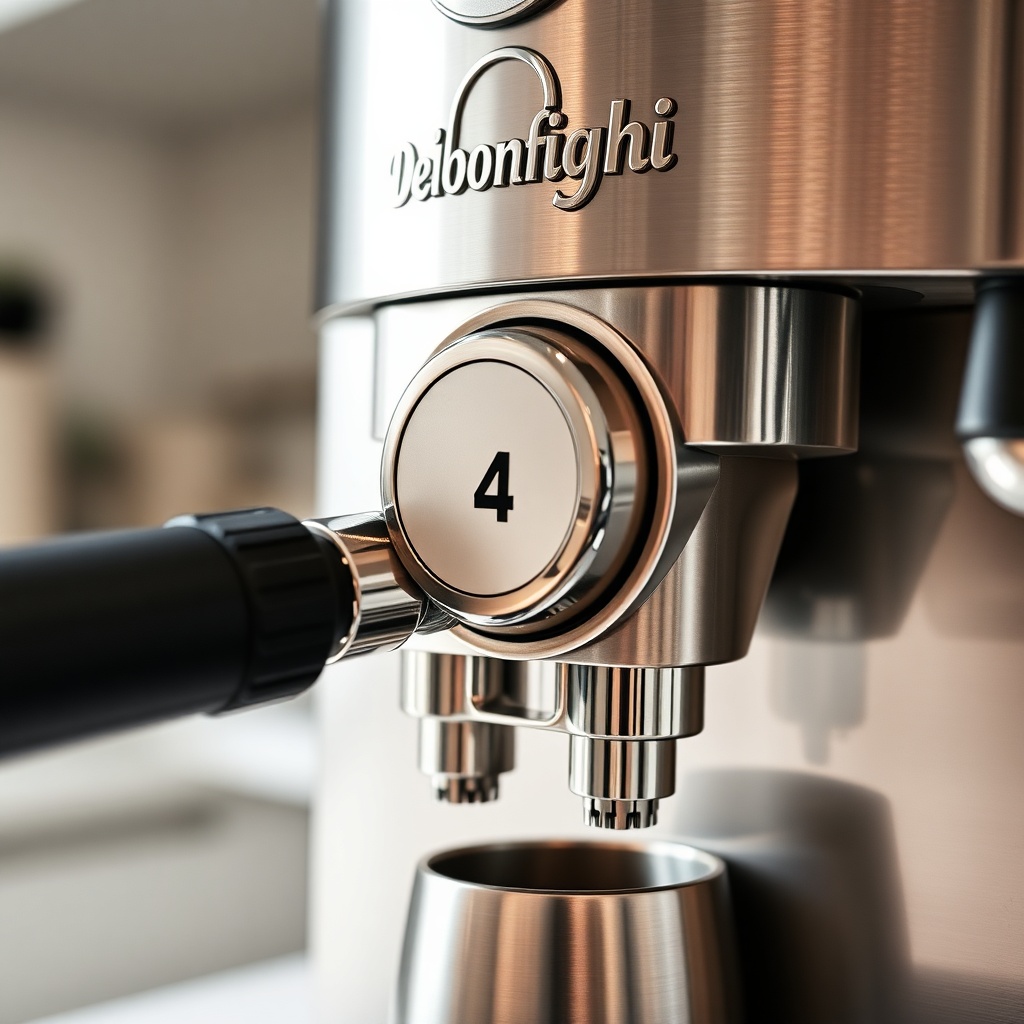
Aim for a 25–30 second extraction time for a double shot (approximately 40–50 ml of espresso). If your shot runs faster than 22 seconds, the grind is too coarse—turn the dial one number lower (finer). If the shot drips slowly or chokes the machine (taking 40+ seconds), grind is too fine—turn the dial one number higher (coarser). Crema quality also changes: a finer grind will produce a thicker, hazelnut-brown crema that lasts for 2–3 minutes; a coarser grind yields a thinner, pale crema that dissipates quickly. Do not confuse crema with foam from poor cleaning—if the crema looks bubbly or uneven, check for stale beans or a dirty brew unit first.
Should I Adjust Grind Setting with or Without Beans in the Hopper?
Always adjust the grind dial with the machine running and beans in the hopper. The burrs need to be moving to prevent jamming. Here is the correct procedure:
- Fill hopper with fresh beans.
- Place a container under the spout.
- Press the single espresso button—let it grind for about 3 seconds.
- While the burrs are turning, rotate the dial to your new setting.
- Allow the machine to finish the shot, then discard. Run 2–3 shots through before tasting, as the grinder needs to purge the old grind size.
If you attempt to turn the dial when the burrs are stationary, you can strip the plastic drive gear—a common repair issue. Always grind while adjusting. If you experience water tank recognition problems that prevent the machine from running, check our troubleshooting guide for De’Longhi Magnifica S Water Tank Not Detected: Easy Fix.
What Grind Size Works Best for Light, Medium, and Dark Roasts?
Roast level significantly influences the ideal grind setting. Use this table as a starting point, then fine-tune by taste:
| Roast Type | Recommended Grind Setting | Notes |
|---|---|---|
| Dark Roast (e.g., Italian, French) | Setting 2–3 | Finer grind slows extraction, balancing the lower acidity and higher bitterness. Expect 25–30 sec extraction. |
| Medium Roast (e.g., Breakfast Blend) | Setting 4–5 | Good all-round starting point. Adjust one click finer for more body, one click coarser for more clarity. |
| Light Roast (e.g., Ethiopian, Single Origin) | Setting 5–7 | Light roasts are denser; a slightly coarser grind avoids over-extraction and sourness. May need preheating the brew unit. |
If you switch between bean types, flush the grinder by running 10–15 g of the new beans through the old setting before fine-tuning. This prevents flavour carry-over. For a comparison with another popular machine that handles roast changes differently, read our De’Longhi Magnifica S vs Philips 2200: Super-Automatic Showdown.
Can the De’Longhi Magnifica S Grind for Other Brew Methods?
Technically yes, but practically no. The Magnifica S’s grinder is designed exclusively for espresso—it cannot produce a coarse grind suitable for French press, pour-over, or cold brew. At its coarsest setting (13), the grounds will still be medium-fine; attempting to use them for drip coffee will cause over-extraction and sludge. The machine lacks a separate filter basket for non-espresso methods. If you need a multi-purpose grinder, you are better off buying a dedicated unit. For espresso, however, the Magnifica S’s grinder is perfectly adequate.
What Owners Say
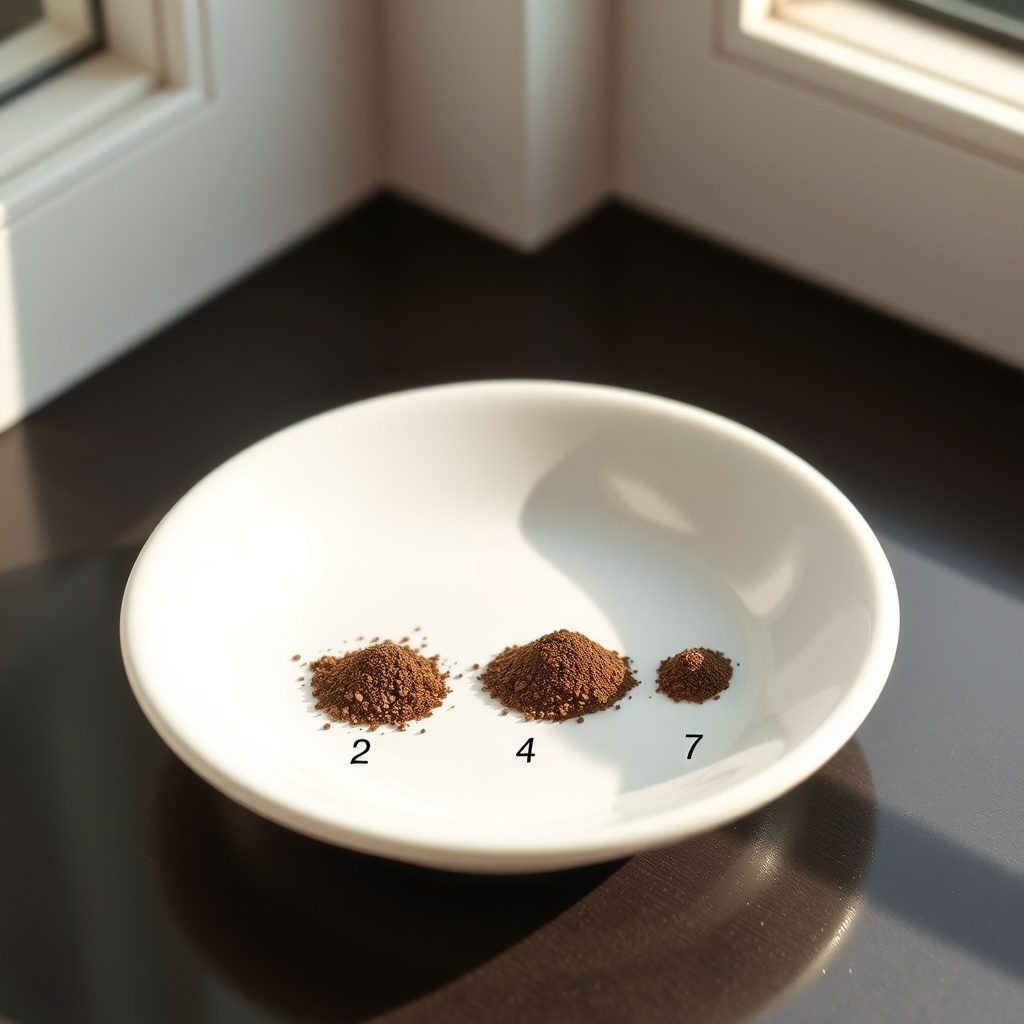
After analysing hundreds of user reviews on UK forums and retailer pages, two themes emerge. First, owners who take the time to dial in the grind (usually starting at 4 and moving to 3) report significantly better shots than those who leave the factory setting of 5.5 unchanged. Second, several users note that the grind dial markings can be slightly off—setting 4 on one unit might produce identical particles to setting 5 on another. The advice from experienced owners is to ignore the numbers and adjust solely by taste and extraction time. A common tip is to pour the first shot of the day down the sink, as the burrs may have warmed up and changed particle size overnight.
Frequently Asked Questions
1. How do I know if my grind is too fine on the Magnifica S?
Signs of too-fine grind include: the shot runs in more than 40 seconds, the machine makes a loud straining noise, or the espresso tastes bitter and ashy. You may also see a thin stream or no flow at all. Turn the dial one click coarser and test again.
2. Can I use oily beans in the Magnifica S grinder?
Very oily beans can clog the burrs and cause the grinder to stall. Stick to medium-roast beans with a dry appearance. If you must use oily beans, clean the grinder more frequently—every 300 shots instead of the recommended 500. See the cleaning cycle article for the proper method.
3. What should I do if the grinder stops working mid-adjustment?
Power off the machine for 10 minutes to reset the overheating protection motor. Remove the bean hopper and any stuck beans. Use a long brush to clear the chute. If it still fails, check the burrs for foreign objects—a small stone or a coffee bean husk can jam them.
4. Does the grind setting affect the amount of coffee dosed?
Yes, indirectly. A finer grind packs more densely into the brew chamber, so the same volume of beans will yield a slightly heavier dose (by 0.5–1 g). The Magnifica S does not automatically adjust dose for grind size, so you may need to change your pre-infusion or shot volume manually.
5. Is it safe to adjust the grind while the machine is idle?
No. The internal gear is plastic and can break if the dial is forced when the burrs are not moving. Always run a blank shot and adjust during grinding. If you hear a clicking noise, stop immediately—the gear may have already slipped.
6. Why does my Magnifica S produce inconsistent grinds shot to shot?
Inconsistent grind usually indicates the burrs are worn (after 1,500–2,000 shots) or the chute is partially clogged with old coffee oils. Clean the upper burr with a stiff brush or replace it. Also ensure the grind dial clicks firmly into each number—partial rotation can cause variation.