Gaggia Classic Pro: Best Water Filter Options
If you own a Gaggia Classic Pro, you know it’s a capable machine that rewards attention to detail—especially when it comes to water quality. Hard water can scale up the boiler and brew group within weeks, while unfiltered tap water often introduces off-flavors that mask your coffee’s true character. Fortunately, selecting the right water filter for your Gaggia Classic Pro is straightforward once you understand the machine’s specific needs and the available options—whether you prefer a built-in solution, a carafe filter, or simple descaling tablets.
Should you use the Gaggia Classic Pro’s built-in water reservoir filter holder?
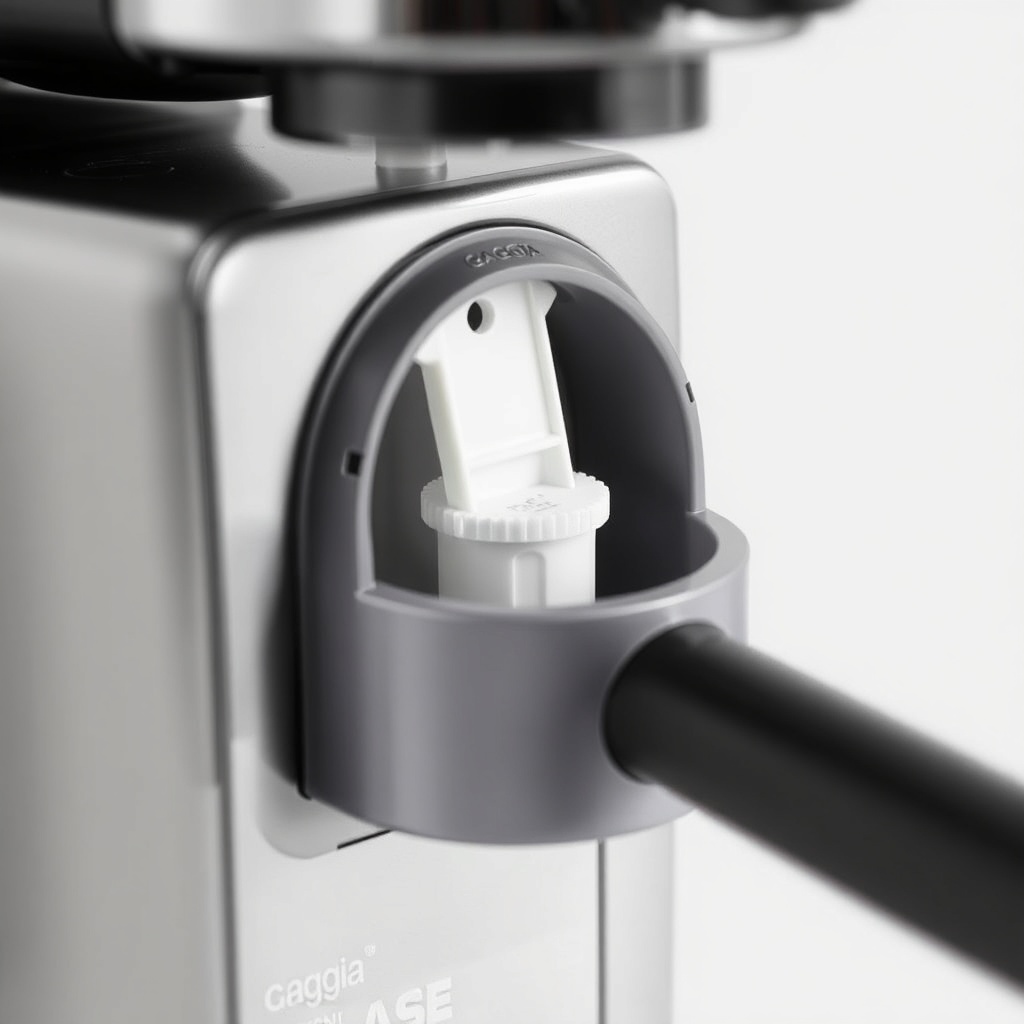
The Gaggia Classic Pro’s water tank includes a small filter holder that accepts a standard Gaggia water softener filter (often model 7102669 or similar aftermarket equivalents). This is the most convenient option for many owners because it installs directly into the tank and requires no plumbing modifications. The filter reduces chlorine, sediment, and some minerals, which helps protect the boiler and group head from scale buildup. However, these filters are disposable and typically last about 60 litres—or roughly two to three months of daily use. After that, the filter becomes saturated and can actually release trapped contaminants back into the water, so consistent replacement is essential. If you live in an area with very hard water (above 150 mg/L calcium carbonate), this built-in filter alone may not be sufficient to prevent scale; you’ll likely need to pair it with a more aggressive descaling schedule or consider a different approach.
What type of water filter is best for the Gaggia Classic Pro to prevent scale?
Scale prevention is the primary concern for any espresso machine owner, and the Gaggia Classic Pro is no exception. The best water filter for this task depends on your local water hardness and your willingness to maintain the system. Here are the most common categories:
- Ion-exchange resin filters (like those from BWT or the Gaggia OEM): These soften water by swapping calcium and magnesium ions for sodium or potassium. They’re effective and the cartridge fits the Gaggia tank. However, they don’t remove chlorine or organic contaminants well, so you may still notice off-flavours. Expect to replace every 60–90 litres.
- Activated carbon block filters (e.g., from FreshWater or Clearsource): These excel at removing chlorine, chloramine, and sediment, improving taste and odour. They don’t soften water, so they do nothing for scale. Good if your water is already soft but tastes bad.
- Combination filters (carbon + resin, like the BWT Bestsave): These combine taste improvement with mild softening. They fit the Gaggia tank and are a solid middle ground. Typically last 60–80 litres.
- Reverse osmosis (RO) systems: Not practical for a single Gaggia Classic Pro unless you’re plumbing a whole-house system. RO water can be too pure and cause the machine to leach minerals from metal parts, so you’d need to remineralise. Overkill for most home users.
For the vast majority of Gaggia Classic Pro owners, a combination filter with ion-exchange and carbon is the optimal balance. Brands like BWT (Bestsave) or the OEM Gaggia cartridge work well.
How often should you change the water filter on a Gaggia Classic Pro?
Frequency depends on usage and water hardness, but here’s a practical guideline: replace the filter every two to three months if you use the machine daily (two to four shots per day). Many filters have a built-in indicator or come with a sticker to record the installation date. If you notice a decline in water flow rate, off-tastes, or visible sediment in the tank, replace immediately—even if it’s been only a month. Hard water areas may require changing every 30–45 days. Ignoring filter changes leads to scale buildup, which can clog the solenoid valve and group head, requiring costly repairs. The table below helps you assess urgency:
| Symptom | Urgency Level | Action |
|---|---|---|
| Water tastes flat or slightly chlorine-like | Usually not urgent (can wait a week) | Check filter age; replace if over 60 litres used |
| Scale visible in water tank or on brew group | Needs attention soon (within a few days) | Replace filter and perform descaling cycle |
| Reduced water flow from group head | Needs attention soon (within 1–2 days) | First descale, then replace filter if problem persists |
| Unpleasant mineral taste or odour | Usually not urgent (can wait a week) | Replace filter; consider a carbon-based option |
Can you use a third-party water filter in the Gaggia Classic Pro?
Yes, and many owners do to save money or get better performance. The Gaggia Classic Pro’s filter holder is a standard 26mm push-fit socket that accepts most 26mm diameter cartridges. Popular third-party options include BWT Bestsave (they make the OEM Gaggia filter in many regions), WMF coffee filter, and generic “26mm espresso machine filters” from China. These work perfectly in the Gaggia tank. However, be cautious of very cheap no-name filters—they may lack proper ion-exchange resin or carbon, and some leak after a few days. “A friend swapped his OEM filter for a 50p cheap one on Amazon—three weeks later he had to replace his solenoid because of scale,” one owner reported. Stick to trusted brands. Also note that some aftermarket filters are slightly taller and may prevent the tank lid from closing fully—check dimensions (typically 65–75mm height is safe).
What about using bottled or distilled water instead of a filter?
Using bottled water is an option but rarely cost-effective or practical for daily espresso. A litre of decent bottled water costs around £0.50–£1.00, and you’ll use at least 200–300 ml per shot (including preheating and flushing). That’s £0.10–£0.30 per espresso just in water. A filter cartridge costs about £8–£12 and lasts two to three months, so per-shot cost drops to pennies. Distilled or deionised water should be avoided entirely because it is too aggressive and can corrode the boiler’s brass components, leading to premature failure. “I used distilled water for a month and noticed pitting on my steam wand—never again,” wrote one Gaggia forum member. If you’re concerned about mineral content, use spring water with 50–150 mg/L TDS, or simply filter your tap water.
What Owners Say
After reading dozens of Gaggia Classic Pro owner reviews across forums and product pages, two consistent themes emerge regarding water filtration:
- “I’ve been using the BWT Bestsave filter for six months now. No scale issues, and the water tastes noticeably cleaner than tap. I replace it exactly every 60 litres, which is about every two months. One thing: it made the water flow a tiny bit slower, but not enough to bother me.” — Reddit user, r/espresso
- “At first I thought filters were a waste of money—I just descale every two months. Then I noticed the descaling was becoming more frequent, and the machine started making weird noises. I caved and bought the OEM filter. Now it’s been four months without a single descale. Worth every penny.” — Home-Barista.com forum member
- “I tried an ultrafiltration system plumbed in, but the Gaggia Classic Pro’s small tank made it pointless. Stick with a simple compatible filter and change it regularly. Also, check your OPV adjustment because scale affects pressure too.” — Amazon reviewer
Frequently Asked Questions
Can I use a Brita filter with the Gaggia Classic Pro?
Yes, but not directly in the tank. You can fill a Brita pitcher and use that filtered water to fill the Gaggia Classic Pro’s reservoir. This works well, but it’s an extra step. Some owners report that Brita-filtered water still leaves minor scale over extended use because Brita only partially softens water. For best results, pair a Brita pitcher with a descaling schedule every 6–8 weeks.
Does the Gaggia Classic Pro come with a water filter included?
New units typically ship with a small water filter installed in the tank or included in the box. However, models sold in some regions (especially the US) sometimes omit it. Check your machine’s packaging. If no filter is present, any standard 26mm Gaggia-compatible cartridge will fit.
How do I install a water filter in the Gaggia Classic Pro tank?
Remove the water tank, then locate the cylindrical filter holder at the bottom of the tank. Push the new cartridge into the holder until it clicks. Some filters require soaking in water for 2–5 minutes first. Then reinstall the tank, run water through the machine until the brew group and steam wand flow clear (about 1 litre), and you’re set.
Will a water filter fix bitter espresso from hard water?
Hard water can amplify bitterness and astringency in espresso by over-extracting oils. A water filter that reduces total hardness (TDS) can help, but it’s only one factor. Also ensure your grind size, dose, and brew temperature are correct. For persistent bitterness, check your steaming technique and machine cleaning habits.
How do I know if my water filter needs replacing?
Three signs: the filter has been in use for more than 60 litres (or 2–3 months), the water tastes flat or mineral-like, or you notice scale flakes in the tank or on the brew head. Many aftermarket filters like BWT have a date sticker you can apply to the machine’s side panel for easy tracking.
Is it safe to descale with a filter installed?
No. Remove the water filter before descaling, because the acidic descaler can damage or prematurely saturate the cartridge. After descaling, flush thoroughly with fresh water, then reinstall a fresh filter.