
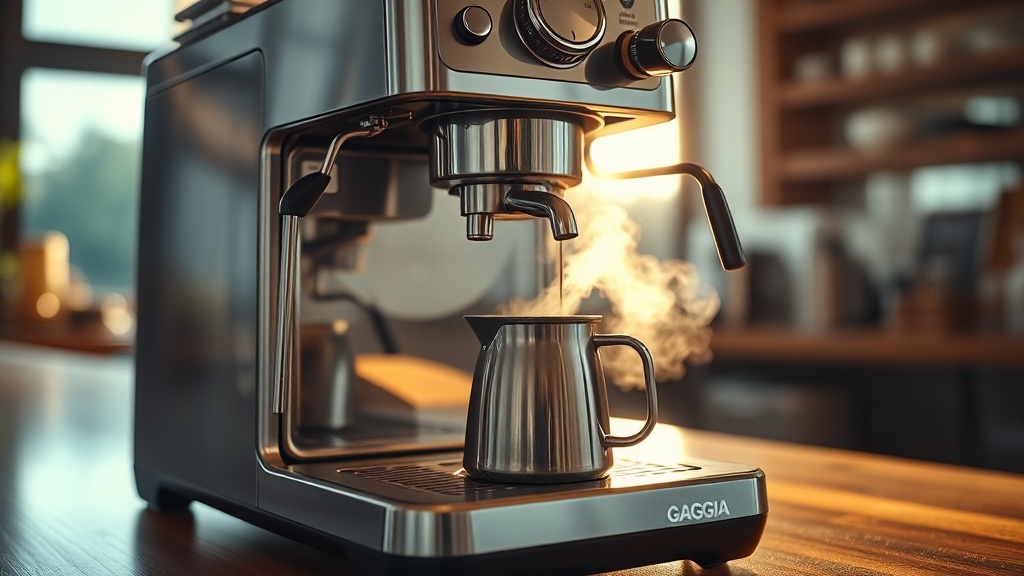
So, you’ve heard the name Gaggia Classic Pro whispered among home baristas like a secret handshake. It’s the machine that promises café-quality espresso on a countertop, but with a price tag that feels almost too good to be true. Before you click ‘buy’, you need to know if this Italian workhorse actually fits your budget, your workflow, and your coffee ambitions—or if it will leave you frustrated with a grinder that costs more than the machine itself.
This buying guide cuts through the hype. We’ll look at the real-world cost of ownership, the compromises you’ll make at this price point, and exactly who should reach for their wallet—and who should keep walking. By the end, you’ll know if the Gaggia Classic Pro is the smartest money you’ll spend on espresso, or just an expensive lesson in ‘buy once, cry once’.
What Is the True Cost of a Gaggia Classic Pro Setup?
The sticker price of a new Gaggia Classic Pro typically sits between £380 and £450 in the UK. That alone looks like a bargain compared to a £1,200+ La Marzocco. But here’s the trap: the espresso machine is only half the equation. You absolutely must pair it with a capable espresso grinder—and you cannot cheap out here. A decent entry-level espresso grinder like the Baratza Encore ESP or Sage Dose Control Pro will add another £200–£250. A true step-less grinder, like the Eureka Mignon Notte, pushes you past £300.
Then factor in accessories: a tamper that actually fits the 58mm basket (the stock plastic one is notorious), a dosing funnel, a knock box, and a milk pitcher. Budget another £50–£80 for decent gear. Suddenly, your ‘£400’ machine is a £700–£850 investment. If you buy used, you can often find a Classic Pro for £250–£300, but then you might need to factor in a descale and a replacement group gasket.
The most overlooked cost? Coffee. You’ll burn through beans faster when dialling in. On a budget, you’re looking at £25–£30 per bag of specialty beans, with at least two bags wasted during the learning curve. Expect to spend roughly £100 on consumables in your first month. That’s before we talk about descaler, backflush detergent, and water filters—all of which become recurring costs.
In short: a complete Gaggia Classic Pro setup for a dedicated hobbyist starts at about £700–£800. If you’re trying to spend less than £600 total, this machine isn’t for you yet.
Can You Get Consistent Espresso Without Modifying It?
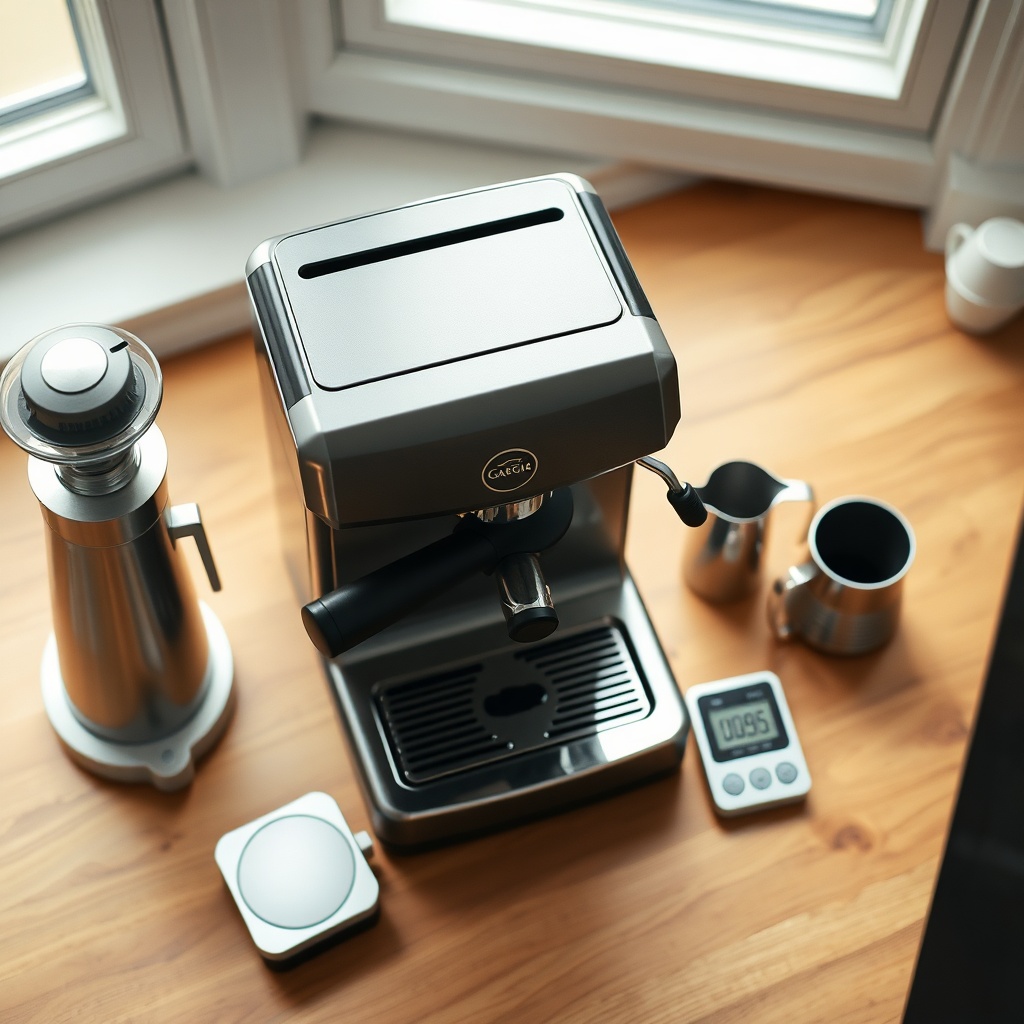
Out of the box, the Gaggia Classic Pro runs its pump at roughly 15 bar of pressure at the group head. That’s fine for pressurised baskets, but for proper, third-wave espresso you need around 9 bar at the puck. This is the single biggest flaw for the budget-conscious buyer. To fix it, you’ll need to perform an OPV adjustment to 9 bar. This is a simple, 20-minute job with a hex key—but it requires you to open the machine and void the warranty if you’re not careful.
The stock steam wand is a massive upgrade over the old Panarello wand (though it still takes practice to get microfoam). The single boiler has a notorious thermal issue: after pulling a shot, you need to wait 60–90 seconds for the boiler to recover to steam temperature. You can speed this up by flipping the steam switch for 10 seconds before pulling a shot (the “temperature surfing” trick), but it’s not consistent for back-to-back milk drinks.
For a machine under £500, the build quality is exceptional—solid stainless steel, brass boiler, and a stainless steel group head. That said, the water tank is small (about 1.5 litres) and sits at a slightly awkward angle. It’s fine for two drinks, but for four lattes in a row you’ll need to refill mid-session. The drip tray is shallow; you will be emptying it after every third shot or so.
If you’re willing to learn temperature surfing and can handle the OPV mod, you’ll pull excellent shots for the price. If you expect plug-and-play perfection, you’ll be disappointed.
Is the Gaggia Classic Pro Better Than a Bean-to-Cup Machine?
Here’s the direct comparison: for the same £700–£800 total outlay, you could buy a decent super-automatic like a Sage Barista Express or a Philips Series 3200. That machine will grind, tamp, brew, and steam with one button. It’s fast, easy, and delivers a drink that’s consistent (if not spectacular). The Gaggia Classic Pro, by contrast, is a manual affair. You have to weigh, grind, distribute, tamp, lock, pull, time, and then steam manually. But the ceiling is much higher—you can actually achieve café-quality shots, dial in for different beans, and learn the craft.
For the budget-conscious buyer, the bean-to-cup machine is a trap if you’re a coffee snob. They are notoriously hard to repair, and the integrated grinder often fails within three years. The Gaggia, being a simple machine with standard parts (58mm portafilter, standard group gasket, 3-way solenoid valve), is repairable for decades. Replacement parts cost peanuts compared to a motherboard replacement on a super-auto.
The bottom line: Spend your money on a Gaggia Classic Pro if you care about the ritual and the ceiling. Buy a super-auto only if you value speed and convenience over taste and longevity.
What Grinders Actually Work with the Gaggia Classic Pro on a Budget?
You cannot use a blade grinder. You need a burr grinder capable of fine, consistent adjustments. Here are the three most realistic options for someone on a budget (total machine + grinder under £650):
| Grinder Model | Price (approx) | Pros | Cons |
|---|---|---|---|
| Baratza Encore ESP | £195 | Excellent support, stepless-ish adjustment, good for espresso range | Noisy, plastic build, retention around 1g |
| Eureka Mignon Manuale | £280 | Quiet, stepless, low retention, metal body | No timer, no tool-less burr removal |
| 1Zpresso J-Max S (manual) | £200 | Zero retention, insane grind quality, cheap | Manual effort, slow for back-to-back shots |
If you can stretch, the Eureka Mignon Silenzio (£350) is the gold standard for this machine. Avoid any grinder with “pressurised basket” as a solution—it masks grind problems but you’ll never make great espresso. Also, never buy a hand grinder that doesn’t have external adjustment rings. The 1Zpresso J-Max S is the only manual that makes sense here.
How Much Maintenance Does a Budget-Friendly Gaggia Classic Pro Require?
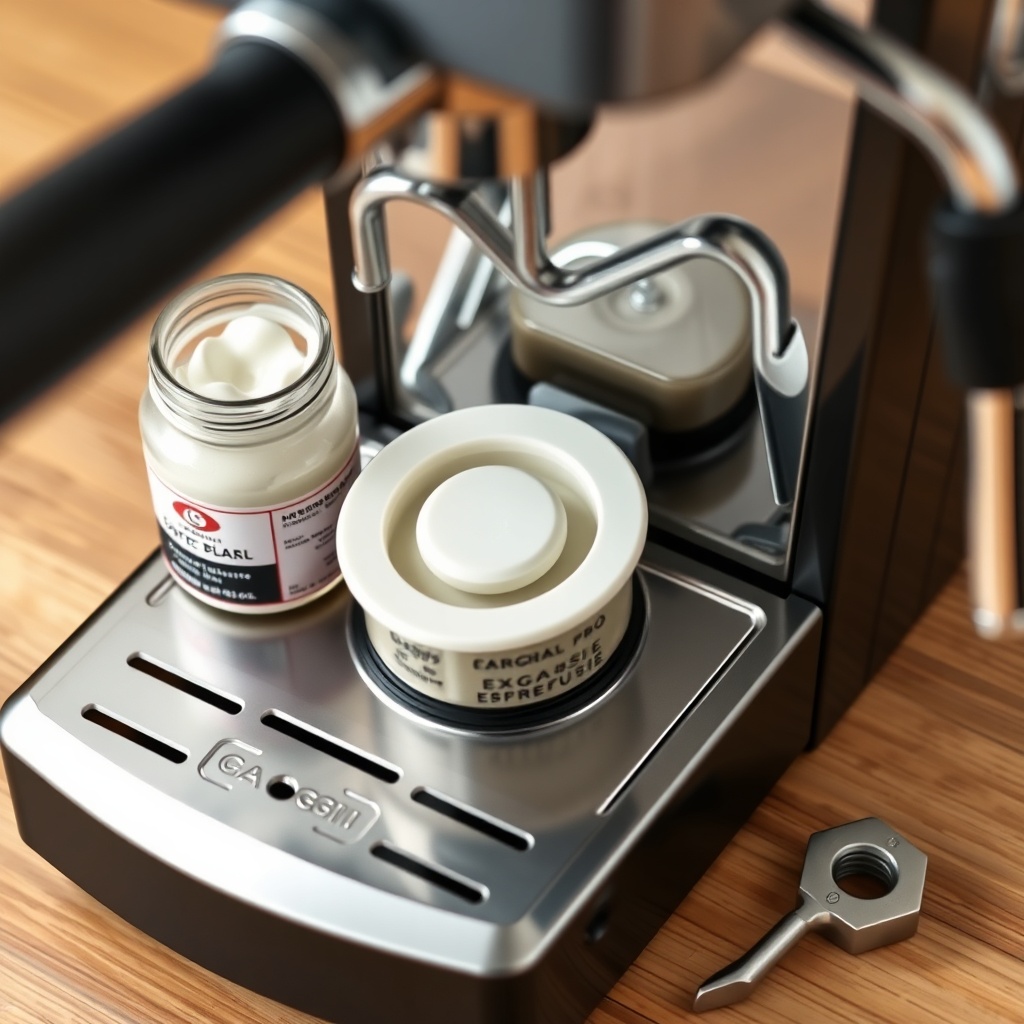
Let’s not sugarcoat it: this machine demands more maintenance than a pod or bean-to-cup appliance. You’ll need to backflush with a blank basket and espresso cleaner about once a week if you use it daily. The 3-way solenoid valve is prone to blockage if you don’t backflush regularly; a clogged solenoid can cost £50–£80 to repair if you take it to a shop. For a budget buyer, this is a DIY necessity.
Descaling is critical. The aluminium boiler (with a brass group) is sensitive to limescale. Use a dedicated espresso machine descaler every 3–4 months, depending on your water hardness. Better yet, install a decent water filter in the tank or use distilled water with a third-wave packet—this will save you from scale damage and bad-tasting shots. The water tank itself can develop a slight plastic taste if you don’t rinse it weekly.
Every six months, replace the group gasket (about £8) and the shower screen (about £12). The OPV spring will need checking after two years, and the steam wand tip can collect milk solids if not purged after each use. Expect to spend about £20–£30 per year on regular consumables (gaskets, water filter cartridges, backflush detergent). That’s cheap compared to the cost of a new machine every three years.
What Do Owners Say After Six Months?
Real-world owners on forums and Reddit consistently highlight three things: the machine’s raw capability for the price, the annoying thermal management, and the surprising durability. One owner said: “I got mine for £350 used, did the OPV mod in ten minutes, and I’m now pulling better shots than my local café. But I need a watch to time my temperature surfing or I’ll get sour shots.” Another observed: “The steam wand is a monster—once you learn to angle it right, you get thick microfoam. But the tank is too small. I fill it every morning.”
The most common complaint is the stock drip tray grill, which rusts after a few months if you don’t dry it. A simple £10 replacement or rubbing with stainless steel polish fixes it. Owners also note that the machine is loud—the vibe pump is noisy compared to rotary pump machines, but that’s typical for the price. Nobody regrets buying it, but they all wish they had bought a better grinder first.
Frequently Asked Questions
Can I use a pressurised basket with the Gaggia Classic Pro to avoid a good grinder?
Technically yes, but it defeats the purpose. Pressurised baskets create fake crema and hide bad grind, but they also produce thin, under-extracted coffee. If you’re okay with drinkable but not great espresso, it works. But if you’re reading this buying guide, you want quality—so save for a proper grinder.
Will the Gaggia Classic Pro fit under standard kitchen cabinets?
Yes, just. With the standard drip tray and cup warmer, it stands about 36 cm tall. Most UK upper cabinets are at least 45 cm above the countertop, so it fits comfortably. Just make sure you have enough room to lift the lid to refill the tank.
Is the steam wand better than the old Panarello?
Absolutely. The Classic Pro uses a commercial-style single-hole steam wand (the same as the Gaggia Baby and Gaggia Classic older models). It can produce proper microfoam if you learn the technique. For tips, read our dedicated milk steaming guide—it’s the single best upgrade you can make for your milk drinks.
How do I know if I’m getting a genuine Gaggia Classic Pro and not a counterfeit?
Gaggia machines are widely counterfeited, especially on second-hand markets. Check for the serial number on the bottom plate, and ensure the steam wand is metal (not plastic). The real machine has a stainless steel boiler, not aluminium-coloured plastic. Buy from authorised retailers or trusted used sellers to avoid issues.
Can I use a PID controller to improve temperature stability?
Yes, many aftermarket companies sell PID kits for the Gaggia Classic Pro. Installing one will cost about £100–£150 and adds a digital temperature display and precise control. It’s a great mod, but it does require drilling and wiring—not for beginners. Without a PID, temperature surfing works fine if you’re consistent.
How long will the Gaggia Classic Pro last?
With proper maintenance, 10–15 years is standard. The brass boiler, stainless steel group, and simple Swedish-made pump are all replaceable. Many original Gaggia Classics from the 1990s are still running. The weak points are the O-rings and the switch buttons, all of which cost pennies to replace. It’s arguably the most repairable budget espresso machine on the market.