BrewWise Thermoblock: What Water Hardness Setting for Best Espresso?
Selecting the correct water hardness setting on your BrewWise Thermoblock is a critical step often overlooked by espresso enthusiasts. The thermal block heating system’s efficiency and the machine’s overall lifespan depend heavily on balancing mineral content to prevent scale without stripping flavour from the coffee. This guide breaks down how to dial in the perfect hardness level for your water supply, ensuring consistent extraction and a cleaner machine over time.
What Does the Water Hardness Setting Actually Control on a BrewWise Thermoblock?
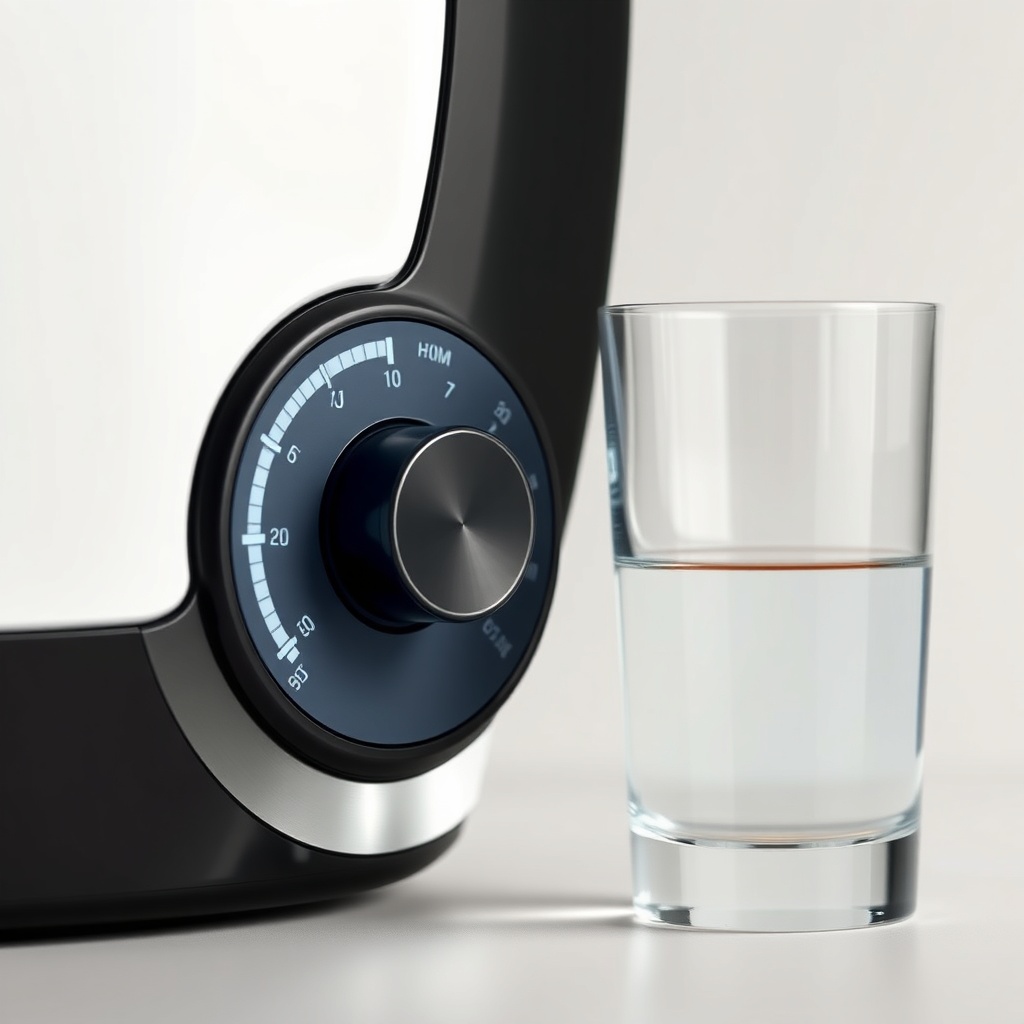
The water hardness setting on a BrewWise Thermoblock (usually adjustable via a dial or menu in higher-end models) calibrates the machine’s internal sensors to match your water’s mineral content. This setting directly influences how often the machine initiates a descaling cycle and how aggressively it heats water. A misconfigured setting—too low for hard water—can lead to rapid scale buildup inside the narrow thermoblock channels, while too high a setting for soft water wastes descaling solution and may cause over-sensing errors. The goal is to align the machine’s detection logic with the actual ppm (parts per million) of calcium carbonate in your tap or filtered water. Most BrewWise Thermoblock units offer levels from 1 (very soft, 0–50 ppm) to 5 (very hard, 200+ ppm), though some budget models only provide three settings.
How Do I Test My Water’s Hardness to Choose the Right Setting?
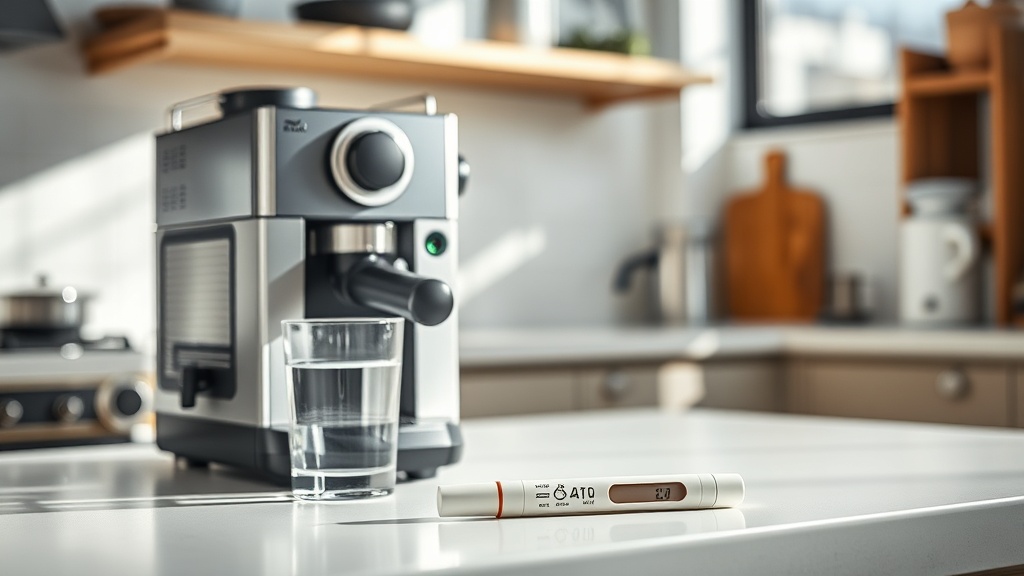
Accuracy starts with a reliable test. You can purchase a simple TDS (Total Dissolved Solids) meter for around £15, which gives a numeric reading in ppm, or use a standard water hardness test strip (available from any homebrew or aquarium shop for about £8 for 50 strips). For BrewWise Thermoblock owners, test strips are often more practical because they measure calcium carbonate specifically, whereas TDS meters read all dissolved solids. Fill a clean glass with cold tap water, dip the strip, and compare the colour after 30 seconds. If you use a water filter, test the water post-filtration to capture the actual mineral profile the machine will encounter. A common household tap reading of 180–250 ppm corresponds to setting 4 (hard) on most BrewWise models, while a filtered Brita jug typically yields 50–100 ppm, needing setting 2 (soft to medium).
What Are the Recommended Hardness Settings by Water Type for BrewWise Thermoblock?
The following table summarises recommended settings based on common water sources in the UK and Europe. Always cross-check with your machine’s manual, as some regional versions may have slight deviations.
| Water Type | Typical ppm (CaCO₃) | BrewWise Setting | Estimated Descaling Interval | Taste Impact Note |
|---|---|---|---|---|
| Soft (filtered/rain) | 0–50 | 1 (Very Soft) | Every 200–250 shots | Can be flat; consider remineralisation |
| Medium Soft (Brita/Brita max) | 50–100 | 2 (Soft) | Every 150–200 shots | Balanced for light roasts |
| Medium Hard (tap, South England) | 100–150 | 3 (Medium) | Every 100–150 shots | Good for medium-dark roasts |
| Hard (London/Glasgow tap) | 150–250 | 4 (Hard) | Every 60–100 shots | May mute delicate flavours; scale risk high |
| Very Hard (deep well/limestone) | 250+ | 5 (Very Hard) | Every 30–50 shots | Emergency only; install filtration strongly advised |
This table assumes standard 18g double shots at 9 bar. If you pull ristrettos or very long shots, descaling frequency may change. The setting itself doesn’t alter brew temperature—it only fine-tunes the mineral detection threshold. For those adjusting brew temperature, note that harder water can require a slightly higher temperature (e.g., 93°C vs 90°C) to achieve the same extraction yield, but the hardness setting remains independent of thermal offset.
Can I Use Bottled Water for Consistent Hardness on My BrewWise Thermoblock?
Yes, but only if you check the label for mineral content. Many spring waters like Evian (304 ppm) or Volvic (109 ppm) fall into different zones. Ideally, choose a water with consistent, moderate hardness of 100–150 ppm (e.g., Tesco Ashbeck at 27 ppm is too soft; Waitrose Essential at around 80 ppm is better). Using bottled water with a known ppm eliminates guesswork: just set your machine to the corresponding number. However, the cost mounts quickly if you brew 4–6 shots daily—about £0.20 per litre, or roughly £0.05 per shot. A more economical solution is to invest in a simple water filter jug or an inline filter for your mains supply, which saves money and ensures you’re not creating high mineral buildup. If your water is very hard (above 250 ppm), setting the machine to 5 is a temporary fix, but low pump pressure can occur as scale clogs the thermoblock channels. For best espresso, aim for water in the 100–150 ppm sweet spot.
What Owners Say About Water Hardness Adjustments on Their BrewWise Thermoblock
Users on UK coffee forums report that getting the hardness setting wrong is the number one cause of premature steam issues and erratic brewing temperatures. One owner in a hard-water area of Manchester said: “I left it on setting 2 for a year—my BrewWise Thermoblock looked like a limestone cave inside. After descaling and switching to setting 4, it’s been flawless for six months.” Another in Edinburgh with very soft water noted: “Setting 3 kept giving me ‘descaling required’ warnings every two weeks. Dropped to setting 1, and the problem vanished. Now I descale every three months as per the manual.” Several users emphasise that the setting must be adjusted after installing any water filter, or the machine will under-sense scale and eventually block. A common frustration is that the factory default is often set to 3 (medium) regardless of local water, so new owners should test and adjust immediately. Those who ignored this step frequently report needing to flush the thermoblock with a heavy-duty descaler—a messy, time-consuming process that can void the warranty if done incorrectly. The consensus is clear: test your water, set it once, then enjoy consistent shots without guesswork.
Does Changing the Hardness Setting Affect Steam Performance for Milk Frothing?
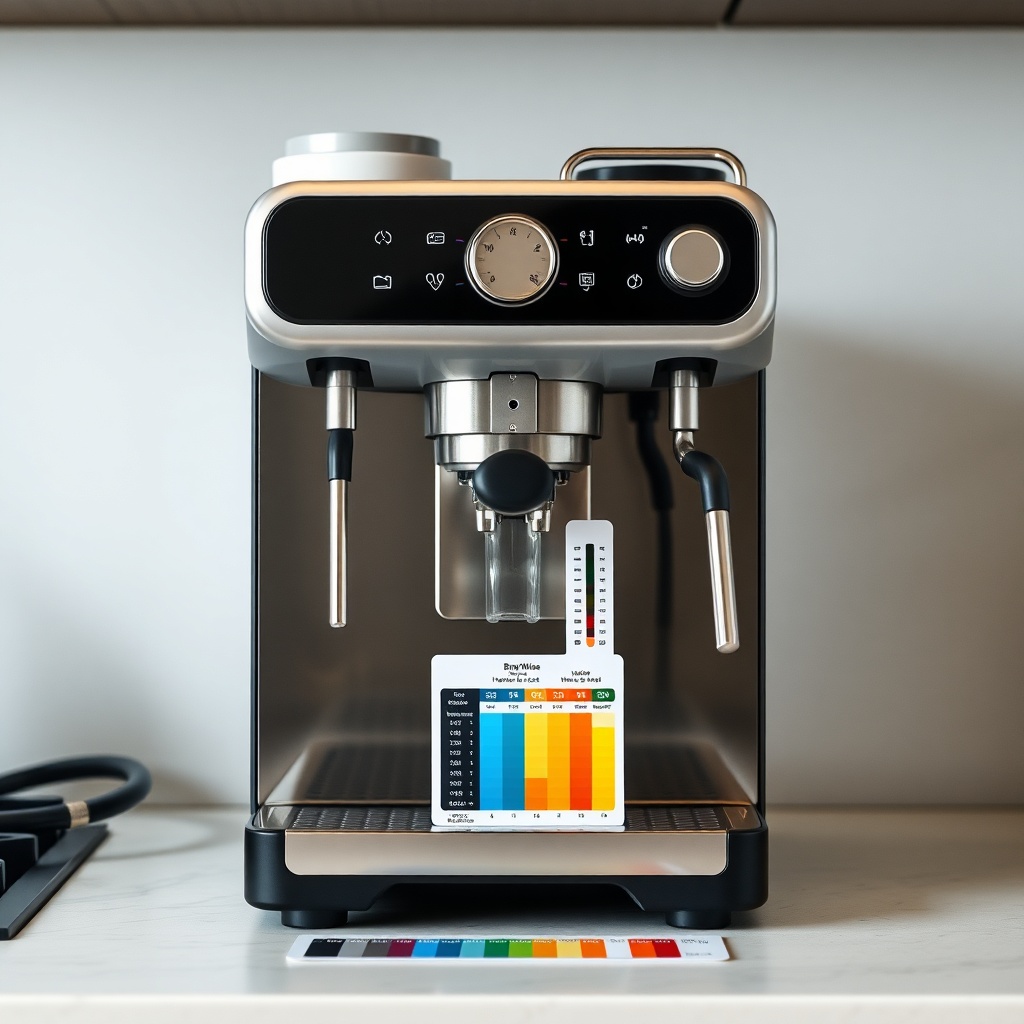
Indirectly, yes. If the setting is too low for hard water, scale builds up in the thermoblock’s steam path, reducing steam pressure over time. A properly configured hardness setting prevents excessive scale, so the machine maintains a full 1.5–2 bar steam pressure for frothing. Owners who set hardness correctly report consistent microfoam quality, while those with mismatched settings find steam power fading within weeks. For better frothing results in conjunction with correct hardness, follow the milk frothing tips specific to BrewWise machines. The thermoblock design heats water on demand; scale acts as an insulator, forcing the heater to work harder and potentially causing temperature instability in both brew and steam functions. After setting the correct hardness, run a full steam cycle for 30 seconds to flush any loose particles—this is a quick check that your adjustment is working.
Frequently Asked Questions
- What is the default water hardness setting on a BrewWise Thermoblock?
Most models ship with setting 3 (medium, 100–150 ppm). Always verify your local water and change it if needed. - Can I use distilled water to avoid scale altogether?
No. Distilled water (0 ppm) can corrode copper thermoblock components and produces flat-tasting espresso. Use filtered water with at least 50 ppm for best results. - How often should I test my water hardness after initial setup?
Test every 6 months if using municipal supply, or after changing your filter cartridge. Water hardness can fluctuate seasonally in some areas. - Will a water softener harm my BrewWise Thermoblock?
A typical salt-based softener exchanges calcium for sodium, which may still cause scale if not properly adjusted. Use a dedicated coffee machine filter or remineralise softened water. - What if my machine doesn’t have a visible hardness setting?
Consult the manual: some older BrewWise models adjust via a small screw on the bottom panel. If in doubt, contact BrewWise support for specific instructions. - Does the hardness setting affect the temperature of the steam wand?
Indirectly—scale buildup from incorrect settings can reduce steam temperature and pressure. A correct setting keeps the thermoblock clear for optimal heat transfer.