BrewWise Thermoblock: How to Adjust Brew Temperature for Better Extraction
Temperature control is a critical lever for achieving optimal espresso extraction, and the BrewWise Thermoblock offers precise adjustment capabilities. By understanding how pressure and temperature interact within this heating system, you can dial in flavours from bright and acidic to rich and chocolatey. This guide covers practical steps to adjust brew temperature, explains the underlying thermoblock mechanics, and addresses common questions about pressure-temperature balance.
How Does the BrewWise Thermoblock Maintain Stable Brew Temperature?
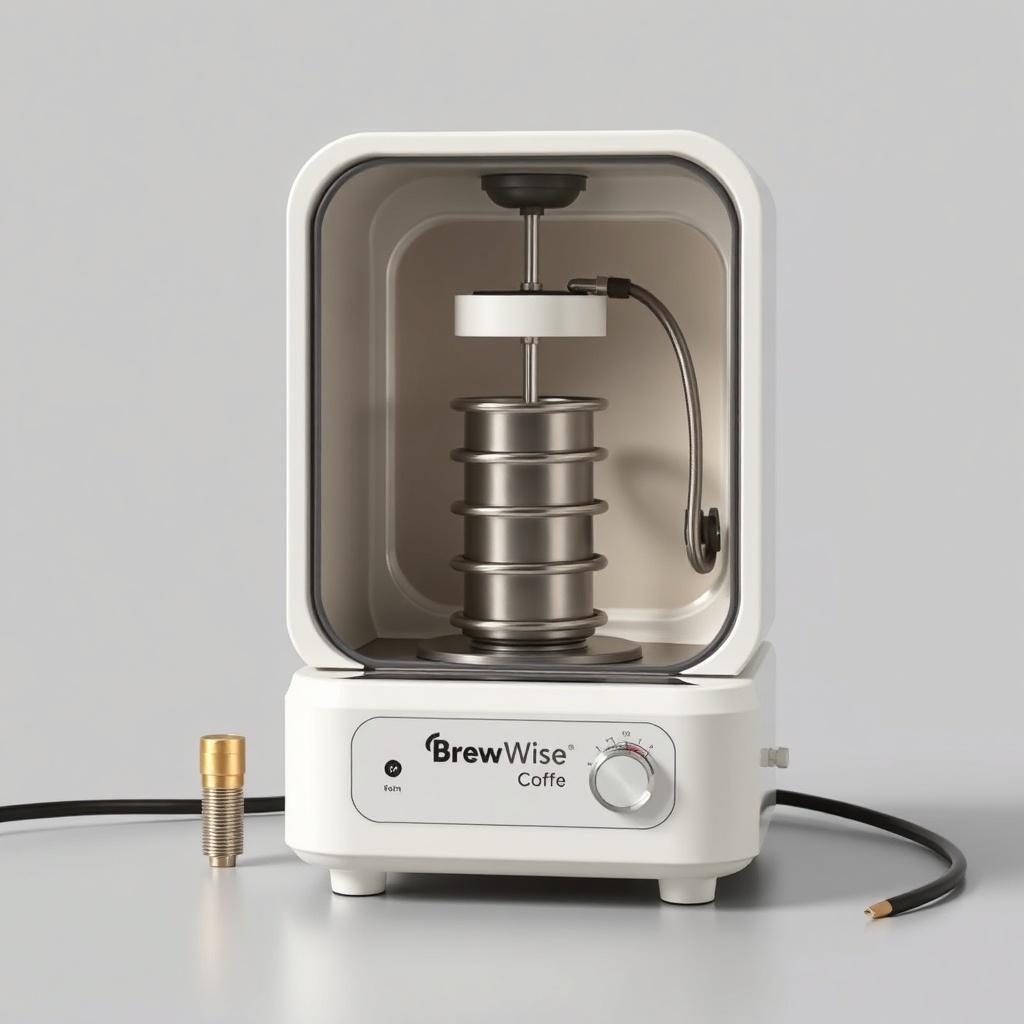
The BrewWise Thermoblock uses an integrated heating element that rapidly heats water as it passes through a metal block, typically aluminium or stainless steel. Temperature stability depends on the thermoblock’s PID (proportional–integral–derivative) controller, which regulates power to maintain a set point within ±1°C. The relationship between pump pressure and temperature is crucial: at higher pressures (e.g., 9 bar), water flows faster, reducing contact time with the thermoblock and potentially lowering exit temperature. Conversely, lower pressure (e.g., 6 bar) increases dwell time, raising temperature. To adjust brew temperature effectively, always check your specific model’s pressure settings—most BrewWise units default to 9 bar, but you can modify this via the machine’s menu or an external pressure gauge.
What Is the Ideal Brew Temperature for Different Coffee Roasts?
The optimal brew temperature varies by roast level and bean origin. For light roasts, aim for 93–96°C (199–205°F) to extract delicate fruity acids without bitterness. Medium roasts perform well at 90–93°C (194–199°F), balancing acidity and body. Dark roasts require lower temperatures, 87–90°C (189–194°F), to avoid excessive bitterness and ashy flavours. Your BrewWise Thermoblock can adjust within this range; however, note that high pump pressure (above 10 bar) can force water through too quickly, requiring a higher set temperature to compensate. Use the table below as a starting point:
| Roast Level | Recommended Brew Temperature (°C) | Recommended Brew Temperature (°F) | Suggested Pump Pressure (bar) | Expected Extraction Profile |
|---|---|---|---|---|
| Light | 93–96 | 199–205 | 8–9 | Bright, acidic, high clarity |
| Medium | 90–93 | 194–199 | 9–10 | Balanced, sweet, moderate body |
| Dark | 87–90 | 189–194 | 9–10 | Rich, low acidity, heavy body |
How to Adjust Brew Temperature on the BrewWise Thermoblock: Step-by-Step
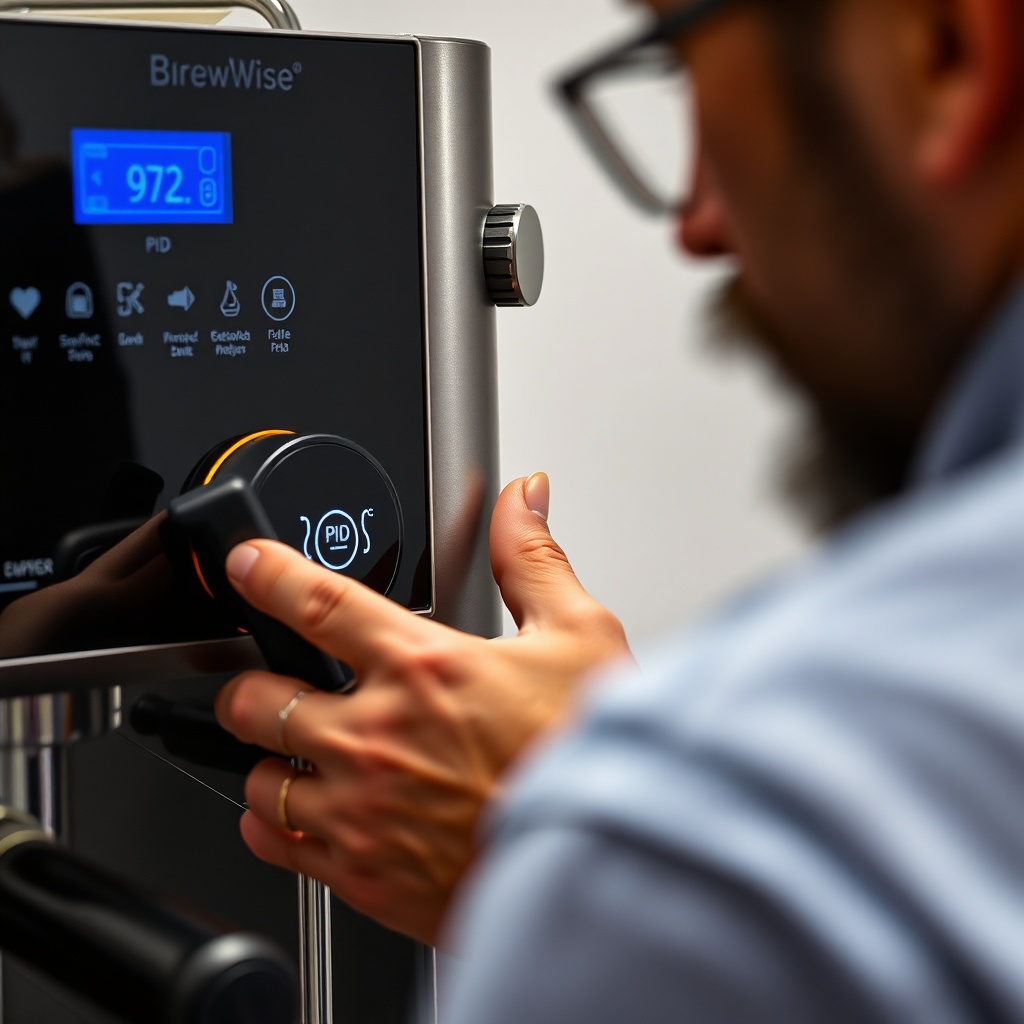
To adjust brew temperature, locate the PID controller interface—usually on the front panel or under the drip tray. Press the “Menu” button for 3 seconds, then navigate to “Brew Temp” using the arrow keys. Increment or decrement in 1°C steps. After each change, pull a blank shot (water only) to stabilise the thermoblock. For persistent temperature fluctuation, check if the thermoblock is scaled—mineral deposits insulate the heating element. Visit BrewWise Thermoblock: How Often to Descale for Longevity for a descaling schedule. Also, if you notice steam pressure dropping, low temperature may be a symptom; see BrewWise Thermoblock: Troubleshooting Low Steam Pressure for related fixes.
How Does Pump Pressure Affect Brew Temperature and Extraction?
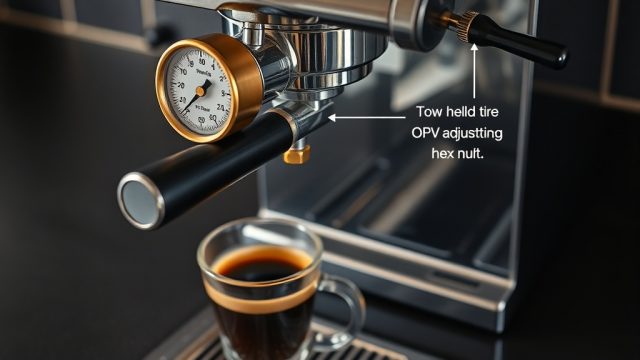
Pump pressure directly influences temperature stability because water flow rate changes heat transfer dynamics. At standard 9 bar, the BrewWise Thermoblock delivers water at ~200 mL/min. If pressure drops to 6 bar (e.g., due to a worn pump or clogged valve), flow slows, giving water more time in the thermoblock and raising final temperature by 2–3°C. Conversely, pressure above 12 bar speeds flow, potentially under-extracting. To measure this, use a portafilter pressure gauge. If your machine consistently under-heats at higher pressures, consider reducing the brew temperature set point by 2°C. For deeper issues, refer to BrewWise Thermoblock: Pump Pressure Too Low? Causes and Fixes.
What Are the Signs of Incorrect Brew Temperature?
Under-extraction (sour, thin espresso) often points to brew temperature too low—usually below 87°C. Over-extraction (bitter, hollow taste) suggests temperature too high—above 96°C for most beans. Uneven extraction (some channels over-extracted, others under) can result from temperature instability during the shot. If you see steam emerging from the group head during brewing, the thermoblock may be overheating due to a faulty sensor. Additionally, poor milk frothing performance may indicate related temperature issues; see BrewWise Thermoblock: 5 Tips for Perfect Milk Froth for ways to align steam and brew temperature settings.
What Owners Say
Owners of the BrewWise Thermoblock commonly report that adjusting brew temperature from 90°C to 93°C for medium-roast beans noticeably improved sweetness and body, while reducing sourness. Several users emphasise the importance of first checking water quality—hard water accelerates thermoblock scaling, which can alter temperature accuracy. Using a filtration system often resolves this. Many also highlight that the PID controller’s ±1°C precision is adequate for home use, but for competition-grade shots, they recommend an external thermometer to verify. A recurring tip is to wait at least 10 minutes after temperature adjustments before pulling a shot, allowing the entire thermoblock mass to stabilise. For owners struggling with steam pressure, reading BrewWise Thermoblock: Best Water Filter for Mineral Balance helped minimise scale-related fluctuations.
Frequently Asked Questions
1. What is the default brew temperature on the BrewWise Thermoblock?
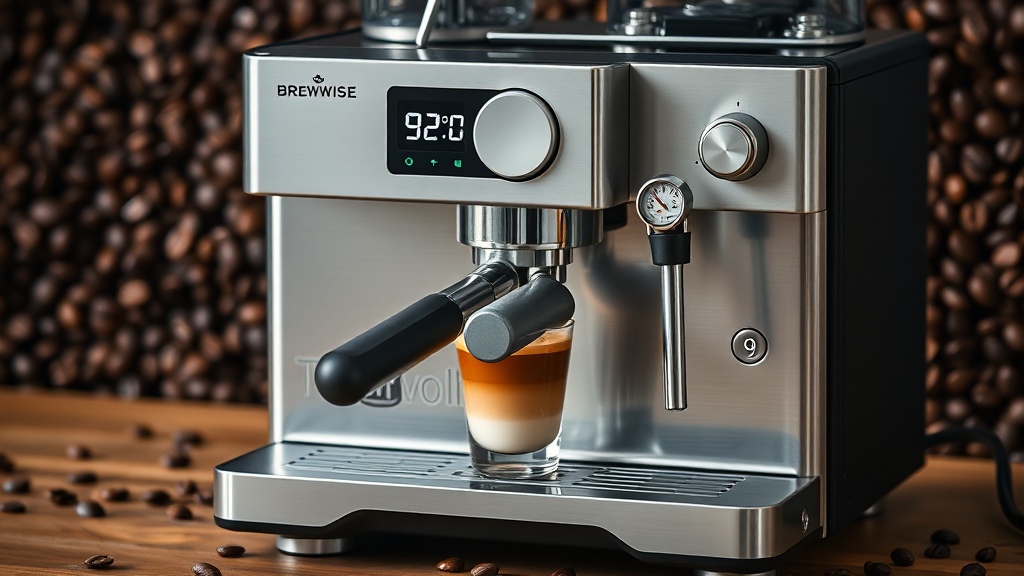
The default is 92°C ±1°C (198°F). This suits medium-roast beans. Adjust based on roast level using the PID controller.
2. How often should I recalibrate the temperature sensor?
Every 6–12 months, or if you notice 2–3°C drift. Use a calibrated digital thermometer placed in the group head’s water stream.
3. Can I adjust brew temperature without the PID menu?
No, the BrewWise Thermoblock requires the PID interface. If your model lacks a menu, upgrade to a unit with PID or add an external controller (costs £80–£120).
4. Does water filtration affect brew temperature?
Yes. Hard water scales the thermoblock, reducing heat transfer and causing temperature drop. Use a water softener or filter (around £25–£50). See BrewWise Thermoblock: Best Water Filter for Mineral Balance for recommendations.
5. How do I know if my pressure is too high for a given temperature?
If shots run fast (< 20 seconds for 40g output) and taste sour, pressure may exceed 10 bar, requiring either a pressure reduce or higher temperature set point (by 1–2°C).
6. What should I do if brew temperature fluctuates by more than 2°C?
First, descale the thermoblock. Next, check the pump pressure—if below 7 bar, repair or replace it. If issues persist, contact support; a thermoblock replacement costs approximately £150–£200.