Introduction
The BrewWise Thermoblock is a compact heat-exchanger system used in many mid-range espresso machines to deliver hot water on demand. When the pump pressure drops below the optimal 9–10 bar range, extraction quality suffers: weak crema, sour shots, or a frustratingly slow pour. This article focuses on the relationship between pressure and temperature within the BrewWise Thermoblock, detailing why pressure can fall too low and how to restore proper function. Understanding these causes will help you maintain consistent performance and extend the life of your machine.
Why Does the BrewWise Thermoblock Require High Pump Pressure?
The BrewWise Thermoblock heats water as it passes through a coiled aluminum or stainless-steel channel, but it does not pressurize the water itself. The pump—typically a vibratory type—must deliver at least 9 bar to create the backpressure needed for proper extraction. If pump pressure drops, the water temperature through the thermoblock can fluctuate because flow rate increases, reducing heat transfer efficiency. This pressure–temperature link means low pressure not only weakens extraction but also leads to inconsistent brewing temperatures.
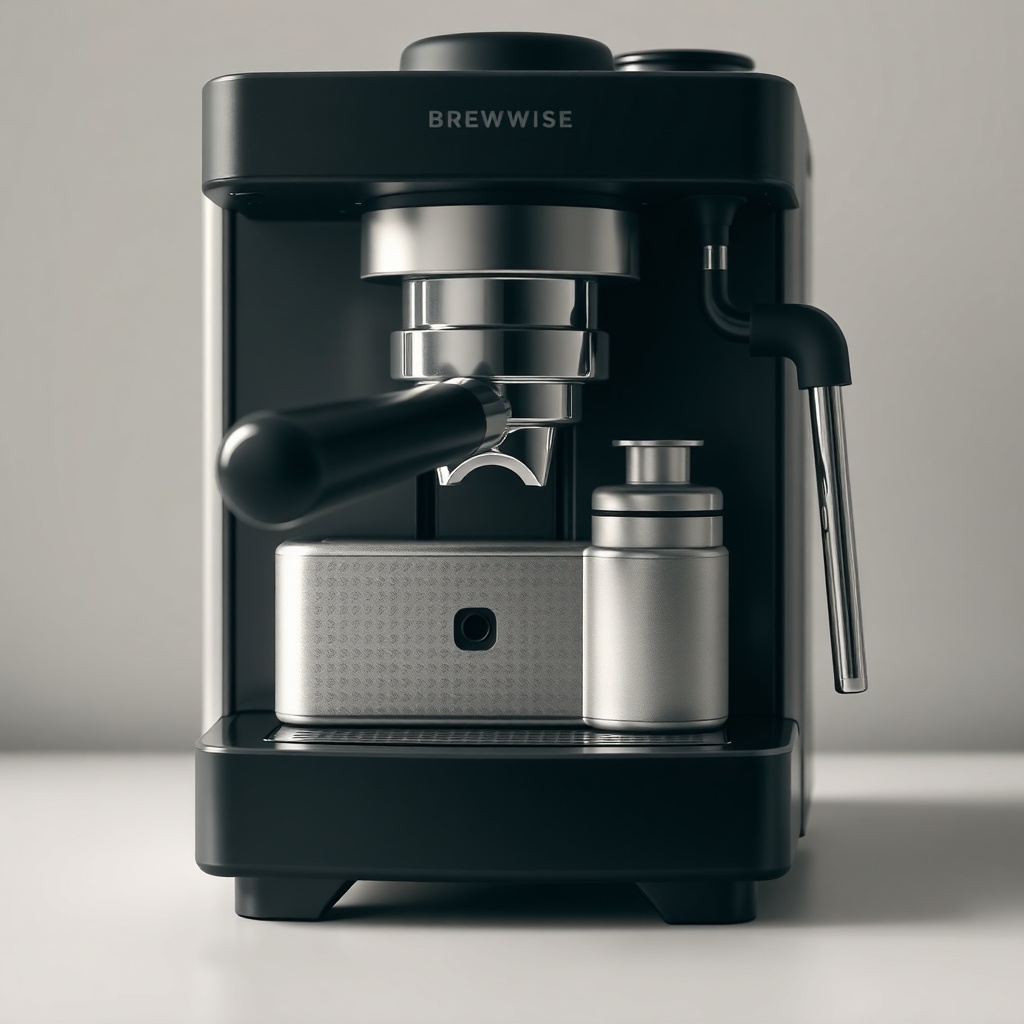
Common symptoms of low pump pressure include: a thin, pale crema; a gushing flow from the portafilter; and steam wand performance that seems weaker than usual. In the BrewWise system, pressure below 7 bar often causes the temperature to drift 2–3°C below the set point, as the thermoblock cannot compensate for the faster water flow. This is why maintaining proper pump pressure is essential for both pressure and temperature stability.
How Can Scale Buildup Affect BrewWise Thermoblock Pressure?
Scale deposits—calcium and magnesium from hard water—accumulate inside the BrewWise Thermoblock’s narrow channels. Over time, these deposits constrict water flow, forcing the pump to work harder but delivering less water volume at lower pressure. Even a thin layer of scale (0.5 mm) can reduce flow by 25–30%, causing the pump pressure to drop by 1.5–2 bar. Temperature stability suffers because the thermoblock takes longer to heat the reduced flow, leading to erratic extraction.
To combat this, descale every 2–3 months with a solution designed for thermoblock machines. For a detailed descaling schedule, refer to BrewWise Thermoblock: How Often to Descale for Longevity. Ignoring scale can permanently damage the thermoblock’s heating element and cause irreversible pressure loss.
Is a Worn Pump the Reason for Low Pressure in BrewWise Thermoblock?
Vibratory pumps in BrewWise machines have a lifespan of 500–1000 operational cycles. After this, internal rubber seals and valves wear, reducing their ability to maintain 9 bar. You can test this by removing the water tank and running the pump without the portafilter: if the flow is less than 200 ml per 30 seconds, the pump may be failing. Low pump pressure directly reduces water temperature because the thermoblock’s PID controller sees less water coming through and struggles to maintain the set point.
Replacing a worn pump costs around £25–40 (depending on the model) and restores full pressure. For machines under two years old, check warranty coverage first—some brands cover pump replacement as a manufacturing defect. Once replaced, re-calibrate the thermoblock temperature settings if your machine allows adjustments.
| Cause | Typical Pressure Drop (bar) | Severity | Estimated Fix Cost (£) |
|---|---|---|---|
| Scale buildup (light) | 0.5–1.0 | Low | 5–10 (descaler) |
| Scale buildup (heavy) | 1.5–2.5 | Medium | 5–15 (professional service) |
| Worn pump seals | 1.0–2.0 | Medium | 25–40 (replacement pump) |
| Air in thermoblock | 0.5–1.5 | Low | Free (priming) |
| Blocked water intake | 1.0–3.0 | High | 10–30 (cleaning or replacement) |
What Role Does Air in the Thermoblock Play in Low Pressure?
Air pockets can become trapped in the BrewWise Thermoblock after refilling the water tank or during descaling. This air compresses when the pump runs, reducing the effective pressure delivered to the coffee puck. You might hear sputtering or see intermittent water flow. The temperature also becomes unstable because the thermoblock heats air less efficiently than water, causing rapid temperature swings of 5–8°C.
To purge air, do the following: remove the portafilter, run the pump for 30 seconds, then stop and repeat twice. For thermoblock machines with a steam wand, open the steam valve for 10 seconds to clear air from that line. This simple fix often restores pressure and temperature consistency. For milk-based drinks, proper priming also ensures BrewWise Thermoblock: 5 Tips for Perfect Milk Froth can be achieved without steam pressure loss.
How Does a Clogged Water Intake Affect BrewWise Thermoblock Pressure?
The water intake tube—a small mesh filter inside the water tank—can become clogged with debris, coffee grounds, or mineral particles. When this happens, the pump struggles to pull water, leading to reduced flow and lower pressure. You’ll notice the pump running louder than usual, and the thermoblock may overheat because it’s heating less water than expected. Internal temperature sensors can trigger safety shut-offs if the thermoblock exceeds 110°C.
Cleaning the intake filter is straightforward: remove it, rinse under warm water, and scrub gently with a soft brush. If the filter is damaged (cracks or holes), replace it for about £8–15. After cleaning, test pressure by running a blank shot; it should reach at least 9 bar within 5 seconds. This maintenance step also helps preserve thermoblock longevity, as discussed in BrewWise Thermoblock: How Often to Descale for Longevity.
Can Incorrect Grind Size Mimic Low Pump Pressure in BrewWise?
While not a direct mechanical issue, an overly coarse grind reduces resistance, allowing water to flow too quickly—this mimics low pump pressure even when the pump is fine. You’ll see a fast pour with little crema, similar to a pressure drop. The thermoblock temperature may also appear low because the water passes through too fast to absorb heat effectively. Always check your grind size before assuming a pump fault.
For BrewWise machines, aim for a grind that produces 25–30 ml of espresso in 25–30 seconds. If the shot runs in under 20 seconds, try a finer grind. This simple adjustment can “restore” perceived pressure and temperature. Pair this with proper milk frothing techniques from BrewWise Thermoblock: 5 Tips for Perfect Milk Froth to get the best from your machine.
What Owners Say
Many BrewWise Thermoblock owners on UK coffee forums report that low pump pressure is the most common issue after 12–18 months of use. “My pressure dropped from 9.5 bar to 6.8 bar after a year,” says Richard, London. “Descaling and replacing the pump o-ring fixed it completely—cost about £30.” Another owner, Emma from Manchester, notes that flushing the thermoblock with a vinegar solution helped restore temperature consistency: “The pressure came back up to 8.5 bar after I removed a small air lock.” Online reviews on Amazon UK and specialist sites like Coffee Hit mention that patience with descaling pays off—pressure often returns to 9 bar after three deep-clean cycles. Some owners caution against using hard water; a water softener cartridge (£12–20) has helped several users avoid pressure drops entirely. Overall, the consensus is that BrewWise Thermoblock pressure issues are fixable with basic maintenance, but ignoring them leads to eventual pump or element failure.
Frequently Asked Questions
Q1: How do I measure pump pressure on a BrewWise Thermoblock machine?
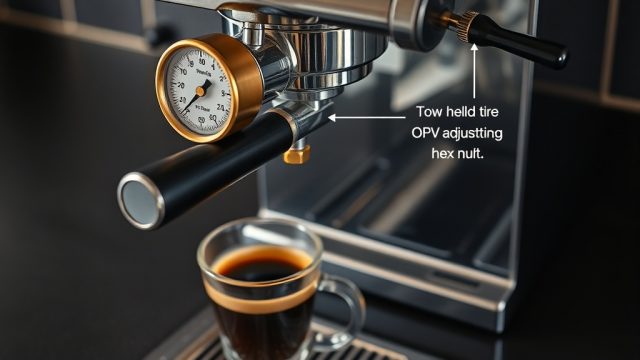
A: Use a pressure gauge that attaches to the portafilter basket. Run a shot without coffee, and read the gauge after 10 seconds. Normal range is 8.5–10 bar. Some machines have a built-in pressure gauge on the front panel.
Q2: What is the ideal water temperature for BrewWise Thermoblock extraction?
A: Aim for 90–96°C at the group head. The thermoblock should hold this within ±1°C. Low pressure can cause temperature drops of 2–3°C, which you can verify with a thermocouple placed in the basket.
Q3: Can I use a pressure regulator on the water line to fix low pressure?
A: Not for the BrewWise Thermoblock itself—the pump is internal. External pressure regulators help with water inlet pressure (useful for plumbed machines), but they don’t fix pump wear or scale issues. Focus on internal components first.
Q4: Does low pressure damage the BrewWise Thermoblock heating element?
A: Yes. If the pump fails to move enough water, the thermoblock can overheat (dry-fire risk), damaging the element permanently. This is why early detection of low pressure is critical. Most machines have a thermal fuse that trips at around 115°C to prevent fire.
Q5: How often should I replace the BrewWise Thermoblock pump?
A: Every 2–3 years under normal use (500–1000 cycles). If you use hard water without descaling, the pump may fail within 12 months. Replace when pressure drops below 7 bar after cleaning the intake filter and descaling.
Q6: What is the cost of repairing low pressure in a BrewWise Thermoblock?
A: DIY fixes range from £5 (descaler) to £40 (new pump). Professional service averages £60–120, including diagnosis and labour. In many cases, descaling and cleaning the intake filter resolve the issue for under £15.