Why Is the Pump Pressure on the Breville Barista Express Impress Too Low?
The Breville Barista Express Impress is engineered to simplify espresso making, but when the pump pressure drops too low, the results can be frustrating. Low pressure often leads to weak, under-extracted shots with little crema. This article explores the common causes of low pump pressure on this machine and provides actionable fixes to restore optimal performance.
Understanding the interplay between pressure and temperature is crucial for consistent espresso. The Impress uses a thermocoil heating system and a 15-bar Italian pump, but pressure issues can arise from grind size, dose, or internal blockages. Let’s diagnose the problem step by step.
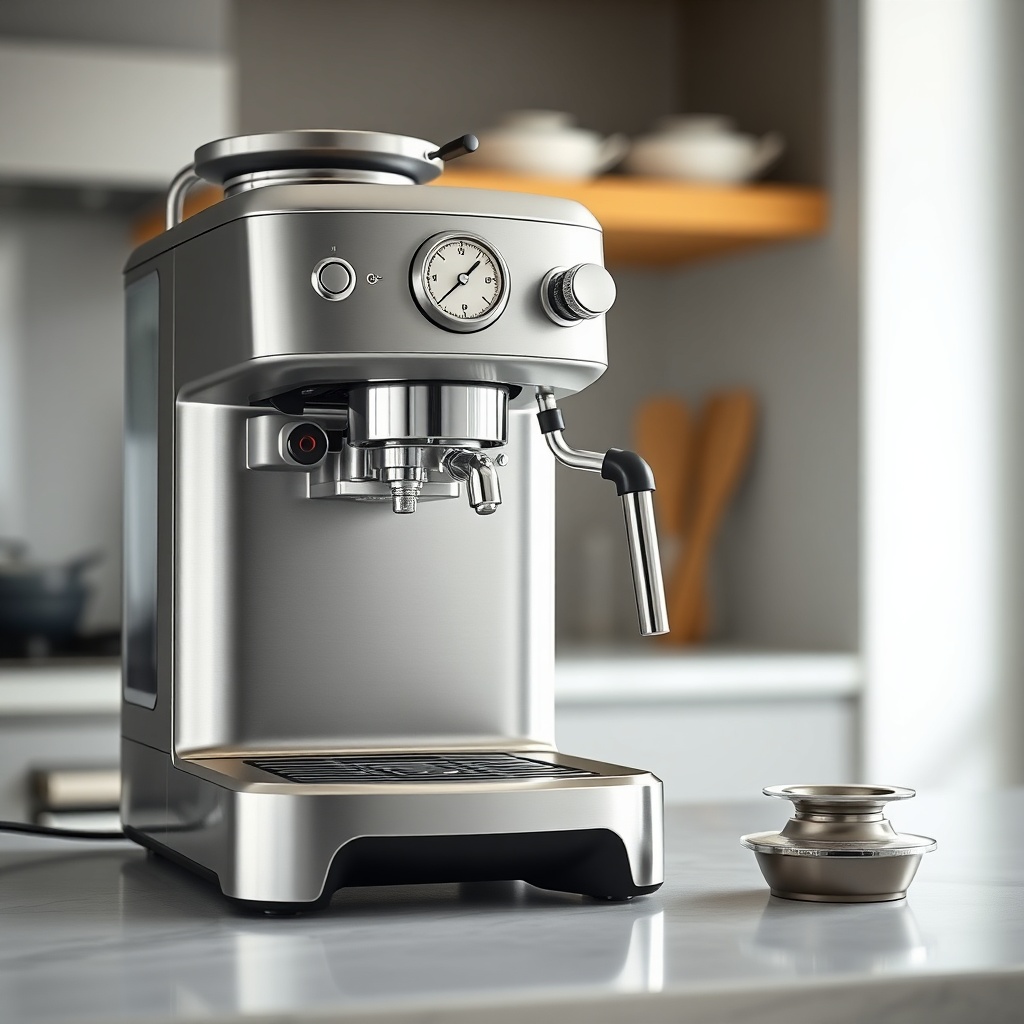
What Does “Pump Pressure Too Low” Mean on the Breville Barista Express Impress?
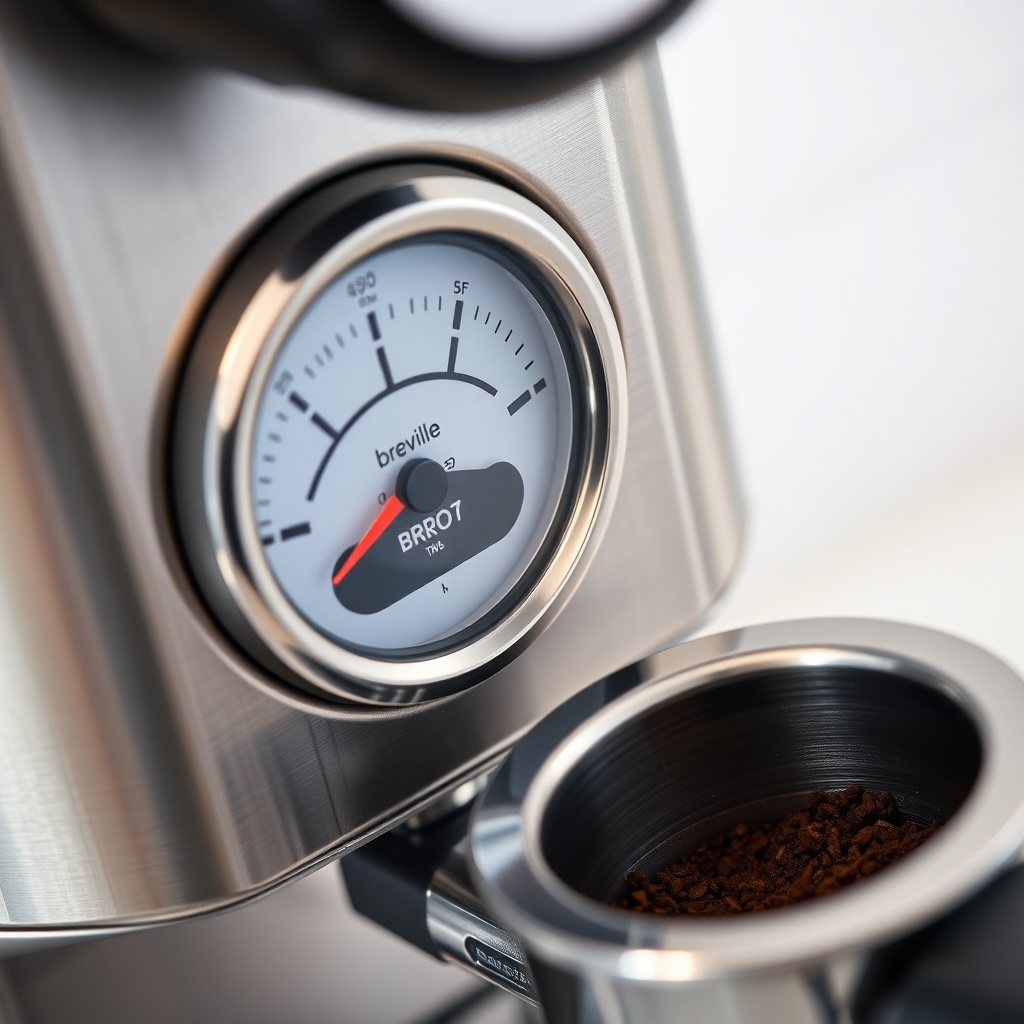
On the Breville Barista Express Impress, pump pressure refers to the force that pushes hot water through the coffee puck at around 9 bars during extraction. When the pressure gauge on the front of the machine reads below the “espresso range” (typically 9–12 bars), the shot will flow too quickly, resulting in a thin, sour, or watery brew. Low pressure can also prevent proper crema formation and reduce extraction yield.
The Impress features an integrated grinder and a dose control system, but pressure issues often originate from the grind setting or puck preparation. If the pump pressure is consistently below 8 bars, it is not a gauge error—it usually indicates a real problem with water flow or resistance.
How Grind Size Affects Pump Pressure on the Impress
The most common cause of low pressure on the Breville Barista Express Impress is a grind that is too coarse. When coffee particles are too large, water passes through the puck too easily, creating less resistance and lower pressure. The Impress’s built-in grinder has 30 settings, and for espresso, a fine grind is essential.
To test this, try setting the internal burr adjustment (located inside the hopper) to a finer position, then adjust the upper dial to a finer number (lower numbers = finer grind). For example, moving from a setting of 12 to 8 may increase pressure by 2–3 bars. Always purge a few grams of coffee after adjusting to clear the chute.
- Start with a known reference: use a medium roast coffee and set the upper dial to 10.
- If pressure is below 8 bars, grind finer by two steps.
- Pull a test shot and monitor the pressure gauge—target 9–11 bars.
If the grind is already quite fine but pressure remains low, check for stale or over-roasted beans, which can lose structural integrity and allow water to channel through.
Dose Weight and Puck Prep: Critical Factors for Pressure
Insufficient coffee dose is another frequent culprit. The Breville Barista Express Impress uses an assisted tamping system, but if the dose is too low, the puck will be thin and water will pass through with minimal resistance. The Impress’s dose control system ideally dispenses 18–20 grams for a double shot, but this can vary by bean density.
Weigh your dose using a scale after grinding. If the dose is less than 16 grams for a double basket, increase the dose by using the “grind amount” dial on the hopper. Also, ensure the tamp is level and firm—the Impress’s auto-tamp feature does a good job, but manual re-tamping may help if the puck is uneven.
| Cause | Typical Range | Effect on Pressure | Severity |
|---|---|---|---|
| Grind too coarse | Setting > 12 | Pressure 5–7 bars | High |
| Dose too low | < 16 g | Pressure 6–8 bars | Medium |
| Stale beans | Roasted > 3 months | Pressure 6–9 bars | Medium |
| Clogged shower screen | Visible residue | Pressure 7–9 bars | Low |
| Scale buildup in boiler/thermocoil | Hard water | Pressure < 7 bars | High |
How Does Water Temperature Impact Pump Pressure?
Temperature and pressure are closely linked in espresso machines. The Breville Barista Express Impress uses a PID-controlled thermocoil that heats water to around 93°C (200°F). If the water temperature is too low, the viscosity of the water changes slightly, but more importantly, low temperature can cause the coffee puck to extract poorly, mimicking low pressure symptoms.
However, a low temperature alone does not cause the pump to produce fewer bars. Instead, temperature affects extraction efficiency. If your machine is not reaching proper temperature (check via a thermometer in the group head), the shot may taste sour and thin even if the gauge reads 9 bars. This is discussed further in our article on Breville Barista Express Impress: How Long Should Extraction Take? to help differentiate between flow rate and pressure issues.
If the thermocoil is failing or a heating element is faulty, the machine may run cold cycles. In such cases, the pump still works but the overall brew temperature is inconsistent, leading to perceived low pressure. Regularly descaling the Impress helps maintain both temperature and flow.
What Internal Blockages or Pump Problems Could Cause Low Pressure?
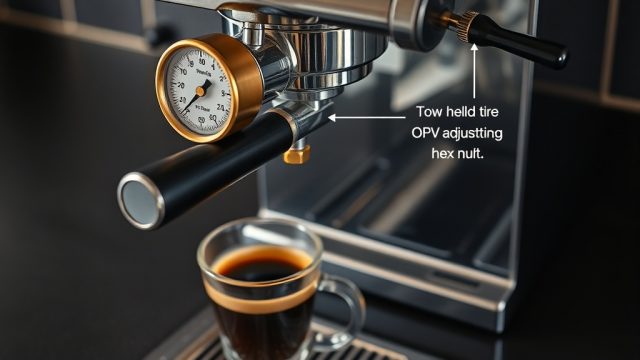
Beyond grind and dose, mechanical issues can cause low pump pressure. The Impress uses a vibratory pump rated at 15 bars, but the OPV (over-pressure valve) is set to open at around 12 bars to protect the system. If the pump itself is failing, you may hear a louder hum but see pressure drop to 5 bars or less.
Blockages in the group head, shower screen, or even a clogged thermocoil can restrict water flow and reduce effective pressure. To test, run a blank shot without coffee: if the pressure gauge barely reaches 8 bars with no puck, there is likely a blockage or pump issue. Check the following:
- Remove the shower screen and clean thoroughly with a brush.
- Run a backflush cycle with a cleaning tablet (use the blind basket).
- If pressure remains low, the OPV may need adjustment or replacement, or the pump may be worn out.
For owners encountering steam issues alongside low pressure, our guide on Breville Barista Express Impress Auto Frother Not Frothing: Fixes can help isolate steam-related problems that may also indicate pump inefficiency.
What Owners Say
Users of the Breville Barista Express Impress frequently discuss low pressure on forums and review sites. A common thread is that many owners find the machine works well out of the box, but after a few months, pressure begins to drop. One owner reported that cleaning the shower screen and adjusting the grind from 14 to 8 restored pressure from 7 bars to 10 bars immediately.
Another recurring theme is the importance of fresh beans. A user noted, “I thought my OPV was broken, but once I switched to beans roasted within the last two weeks, my pressure jumped from 6 to 9 bars.” Several owners also recommend checking the water hardness and descaling every 200 shots to avoid scale buildup in the thermocoil.
Comparing the Impress with other models, some owners who upgraded from the Barista Pro noted that the Impress’s pressure gauge is more responsive but also more sensitive to grind changes. For a detailed comparison, see our article on Breville Barista Express Impress vs Barista Pro: Which Wins?. Owners also recommend monitoring brew temperature—especially for light roasts—as covered in Breville Barista Express Impress: Brew Temperature Not Hot Enough?.
Frequently Asked Questions
Q: What is the correct pump pressure for the Breville Barista Express Impress?
A: The ideal pump pressure is between 9 and 11 bars during extraction. The gauge should read within the “espresso range” marked on the front of the machine.
Q: Can I adjust the OPV on the Breville Barista Express Impress?
A: Yes, but it requires opening the machine. The OPV is a brass screw that can be turned clockwise to increase pressure. Only attempt this if you are comfortable with internal components, and always test with a blind basket.
Q: Why does my Impress have low pressure even with a fine grind?
A: Check if the dose is adequate (18–20 g). Also, inspect the shower screen and the thermocoil for clogs. Scale buildup is a common hidden cause after six months of use.
Q: Does water temperature affect the pressure reading on the gauge?
A: Not directly, but if the water is too cold, the puck may extract slowly, making the pressure appear low. The gauge measures pump pressure, not temperature, so a cold shot can still show high pressure.
Q: How often should I descale the Breville Barista Express Impress?
A: Every 3 to 6 months, depending on water hardness. The machine’s “Clean Me” light will flash when descaling is needed. Using filtered water reduces the frequency.
Q: Is a pressure under 8 bars always a problem?
A: For espresso, yes. Shots at 6–7 bars often taste sour and lack body. However, some ristretto recipes use lower pressure—check your specific brew method.
For further reading on extraction timing and troubleshooting, see our guide on Breville Barista Express Impress: How Long Should Extraction Take?.