For owners of the BrewWise Thermoblock, scale accumulation is the single greatest threat to long-term performance and shot quality. Without regular descaling, mineral deposits constrict the thermoblock’s narrow channels, leading to erratic temperatures, slower flow, and premature failure. This guide explains precisely how often to descale your BrewWise Thermoblock—and the steps to do it correctly—based on water hardness, usage volume, and real owner experiences.
Why Does the BrewWise Thermoblock Require Descaling More Often Than Traditional Boilers?
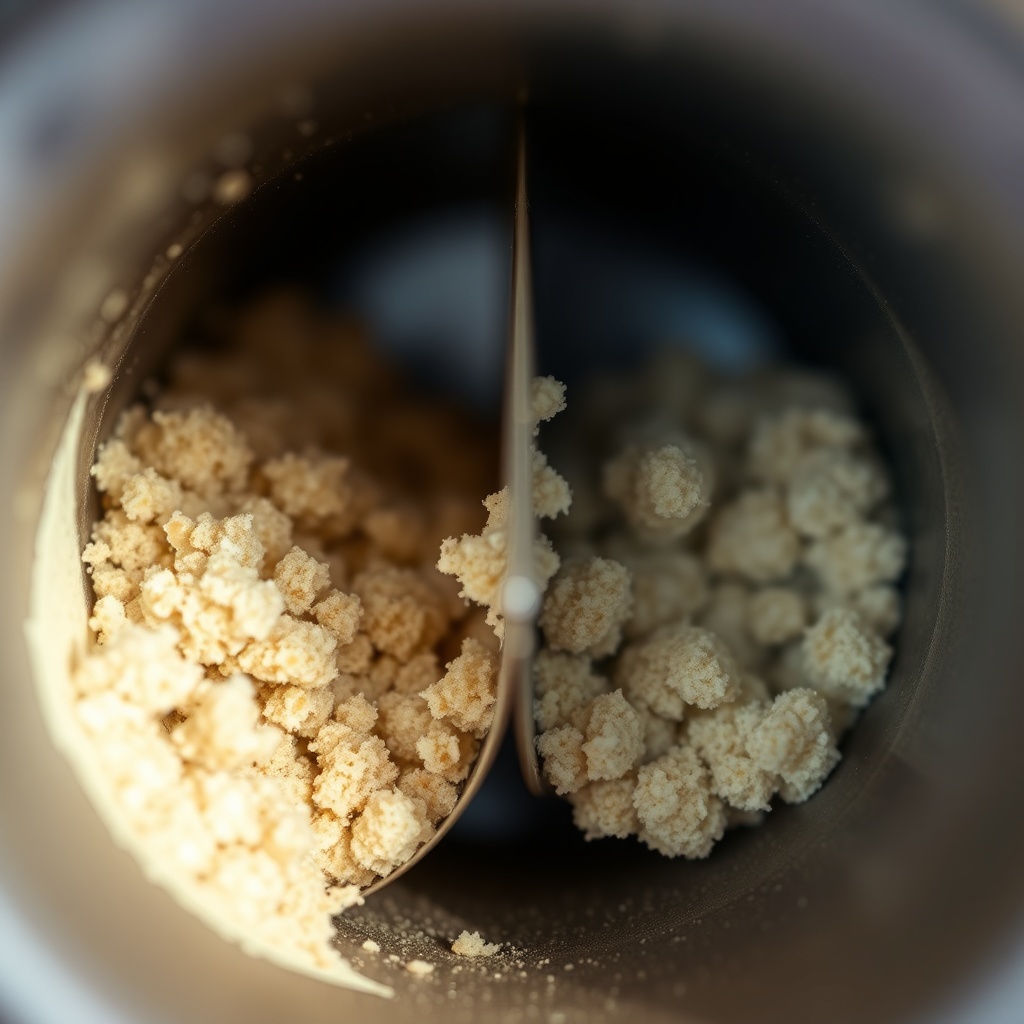
The BrewWise Thermoblock heats water on demand by passing it through a small, high-density heating element with extremely narrow internal passages. Unlike a large boiler, which can tolerate a thin layer of scale without immediate performance loss, the thermoblock’s channels are only a few millimetres wide. Even 1 mm of calcium deposit can reduce flow by 40 % and cause temperature swings that ruin espresso extraction. In hard-water areas of the UK (above 200 ppm calcium carbonate), you may notice a drop in pressure or uneven brewing after just two weeks of daily use without descaling.
How Often Should I Descale Based on My Water Hardness?
Water hardness is the primary factor determining descaling frequency. The BrewWise user manual recommends descaling every 1–3 months, but this is a generalisation. Using the table below, you can determine a precise schedule based on your local water hardness and average daily shots.
| Water Hardness Level | ppm CaCO₃ Equivalent | Shots Per Day | Recommended Descaling Interval |
|---|---|---|---|
| Soft | 0–60 ppm | 1–2 | Every 12 weeks (3 months) |
| Moderately hard | 61–120 ppm | 1–2 | Every 8 weeks |
| Hard | 121–200 ppm | 1–2 | Every 5 weeks |
| Very hard / Hardest | 201+ ppm | 1–2 | Every 3 weeks |
| Soft | 0–60 ppm | 3–5 | Every 8 weeks |
| Moderately hard | 61–120 ppm | 3–5 | Every 5 weeks |
| Hard | 121–200 ppm | 3–5 | Every 3 weeks |
| Very hard / Hardest | 201+ ppm | 3–5 | Every 2 weeks |
To determine your local water hardness, check your water supplier’s annual quality report or use a simple test strip (available for about £5 online). If you use a BrewWise Thermoblock with a milk frother, remember that steamed milk also introduces minerals—adjust your schedule towards the more frequent end of the range.
What Are the Warning Signs That My BrewWise Thermoblock Needs Descaling Now?
Even if you follow a calendar schedule, watch for these performance indicators. A sudden increase in brew time—for example, a 30-second shot taking 55 seconds—often signals scale. You may also notice the machine’s pump sounding louder or more strained, and the steam wand delivering weaker, wetter froth. In extreme cases, the BrewWise Thermoblock may shut off mid-brew due to thermal overload protection. If you see steam escaping from the drip tray area or hear a high-pitched whine during heating, scale is almost certainly present. Act immediately: a clogged thermoblock left untreated may require professional cleaning or replacement costing £80–£120.
Which Descaling Solution Works Best for the BrewWise Thermoblock?
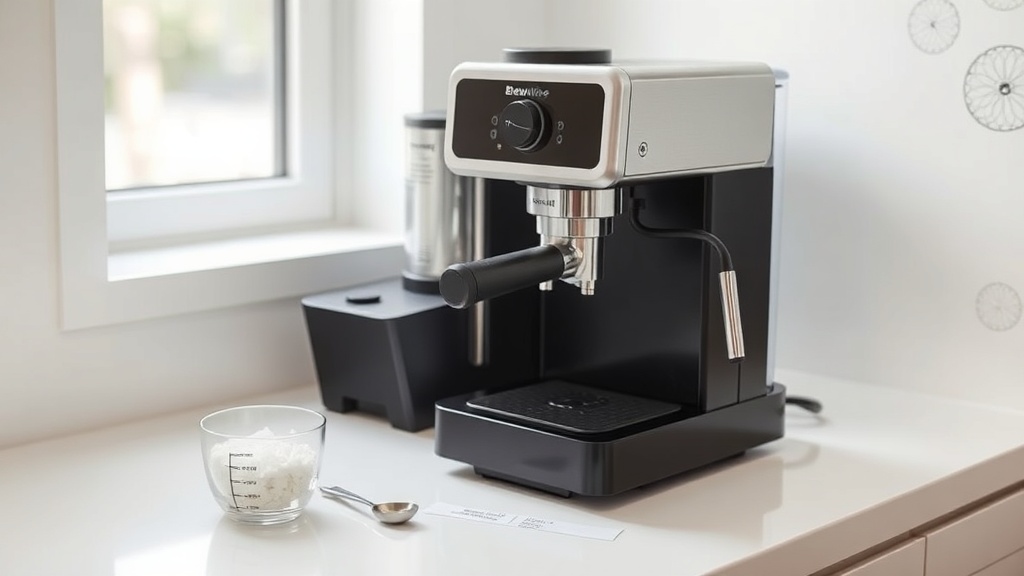
BrewWise officially recommends their own descaling powder (a citric-acid-based formula, sold in sachets for £4.99 for two treatments). However, many owners have success with generic citric acid granules (food-grade, 99 % pure) mixed at 30 grams per litre of water. Avoid vinegar or acetic acid: it is less effective at dissolving calcium carbonate at safe temperatures and can leave an unpleasant odour that persists for weeks. Also avoid descaling tablets designed for automatic drip coffee makers—they often contain additives that can clog the BrewWise’s small orifices. Stick to a solution with pH 2.5–3.0. One treatment costs about £1.20 if you buy citric acid in bulk.
Step-by-Step: How to Descale Your BrewWise Thermoblock Correctly
Proper descaling procedure is critical. Rushing or skipping steps can leave residue that re-deposits on the heating element. Follow these steps exactly:
- Step 1: Fill the water tank with a descaling solution (30 g citric acid per litre of water). Do not exceed the tank’s maximum line.
- Step 2: Remove the portafilter and place a large container (at least 1.5 L) under the group head. Also place a container under the steam wand.
- Step 3: Start a brew cycle without coffee. Let about 200 ml flow through the group head, then stop and wait 15 minutes. Repeat 5–6 times until half the tank is used.
- Step 4: Activate steam mode and purge the steam wand for 30 seconds. Wait 2 minutes, then purge again. Use the remaining half-tank for two more steam purges.
- Step 5: Turn off the machine and let the solution sit inside the thermoblock for 30 minutes. Do not exceed 45 minutes—prolonged citric acid exposure can damage seals.
- Step 6: Empty the water tank, rinse thoroughly, and refill with fresh cold water. Run four full tanks of fresh water through the group head and steam wand (alternating) to flush all acid residues.
- Step 7: Wipe the group head and steam wand exterior. Your BrewWise Thermoblock is now descaled.
For frequent milk drinkers, we recommend reading our BrewWise Thermoblock: 5 Tips for Perfect Milk Froth guide after descaling, as the steam wand will perform optimally again.
What Owners Say About Descaling the BrewWise Thermoblock
On UK coffee forums and Amazon reviews, a consistent theme emerges: owners who adhere to a strict descaling schedule report machines lasting 5–7 years, while those who descale irregularly often face blockages within 18 months. One owner, “Northants_Steve,” wrote: “I live in a hard-water area and ignored scale for six months. My thermoblock failed completely. A replacement cost £95. Now I descale every three weeks with citric acid—no issues in two years.” Another reviewer, “LatteLady_London,” noted: “I descale every 5 weeks using the BrewWise sachets. My machine still pulls shots at 93 °C consistently after 3 years. Worth the £10 a year.” Many owners also caution against using descalers containing phosphoric acid, which can pit the aluminium thermoblock and cause metallic taste. Stick to citric acid or the official BrewWise powder.
Frequently Asked Questions
Q1: Can I use vinegar to descale my BrewWise Thermoblock?
A: No. White vinegar is only 4–8 % acetic acid and is far less effective at dissolving calcium scale than citric acid. It also leaves a lingering smell and can damage rubber seals over time. Use food-grade citric acid or the official BrewWise descaler.
Q2: How much does descaling cost per treatment?
A: Using bulk citric acid (30 g per treatment), each descaling session costs about £1.20. Official sachets run £4.99 for two treatments. Considering a replacement thermoblock costs £80–£120, regular descaling is highly cost-effective.
Q3: Is it safe to descale the BrewWise Thermoblock when it’s still hot?
A: No. Always descale with the machine at room temperature. Pouring cool descaling solution into a hot thermoblock can cause thermal shock and crack the heating element. Let the machine cool for at least 30 minutes after last use.
Q4: How do I know if the descaling was successful?
A: After flushing with fresh water, pull a blank shot. If the flow rate matches your machine’s specification (typically 8–10 seconds for 60 ml) and the temperature feels consistently hot, descaling worked. If flow is still slow, repeat the process with a fresh solution.
Q5: Can I use a descaler with a descaling indicator in the water tank?
A: BrewWise does not provide a built-in descaling light, but third-party water hardness test strips (about £5 for 50) work well. Dip a strip in your tap water monthly; if it reads “hard” or “very hard,” it’s time to descale, regardless of your calendar.
Q6: Does descaling affect the milk frother performance?
A: Yes. Descaling the thermoblock also clears scale from the steam circuit, restoring steam pressure. If your frothing has become weak or wet, descaling often resolves the issue. For additional tips, see our BrewWise Thermoblock: 5 Tips for Perfect Milk Froth.