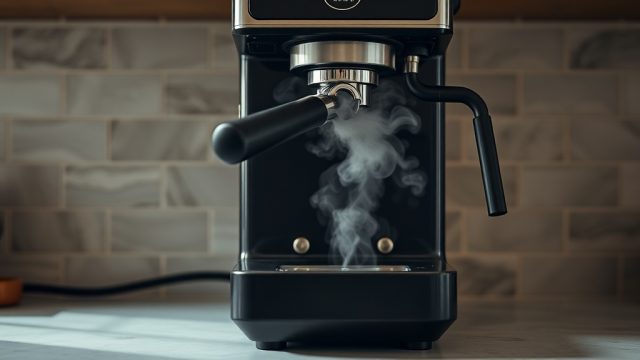
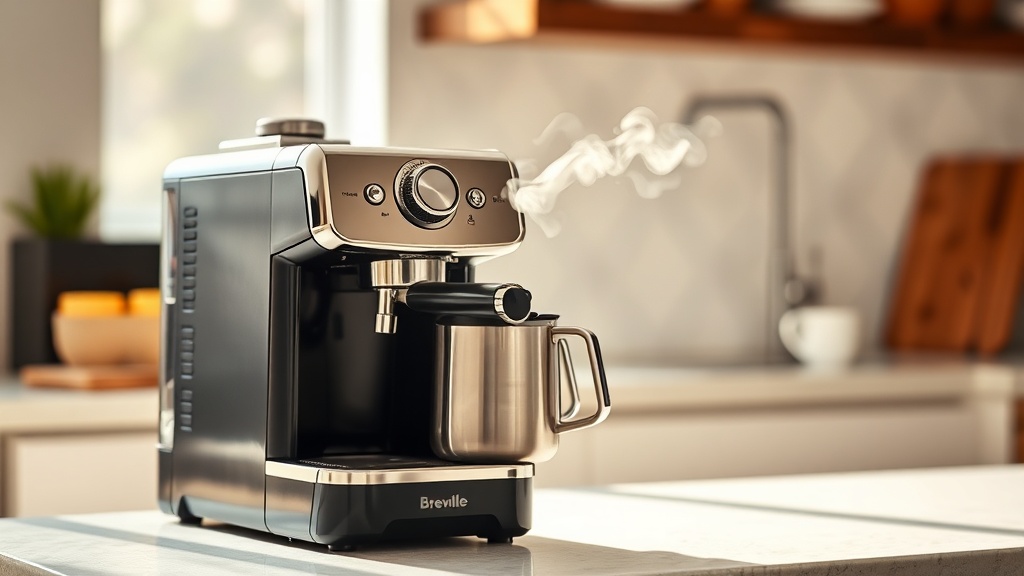
Breville Barista Express Impress: Steam Wand Not Frothing Milk? Troubleshooting and Fixes
The Breville Barista Express Impress is a sophisticated espresso machine, but its steam wand can occasionally fall short when frothing milk. When the wand produces weak steam or fails to create microfoam, the culprit is often a combination of user technique, machine maintenance, or component wear. This guide provides targeted troubleshooting steps to restore your milk frothing performance, drawing on common issues reported by owners and service technicians.
Why Does My Steam Wand Produce Weak Steam?
Weak steam output is the most common complaint among Barista Express Impress owners. The steam wand relies on consistent boiler pressure and unobstructed airflow. If the wand sputters or releases steam in short bursts rather than a steady flow, the problem typically lies in one of three areas: the steam boiler temperature, a blocked tip, or scale buildup inside the boiler. Begin by ensuring the machine has fully heated—about 30–45 seconds after the steam button stops flashing. If steam remains weak, proceed to descaling as described in our Breville Barista Express Impress: How Often Should You Descale? guide, since limescale dramatically reduces steam pressure.
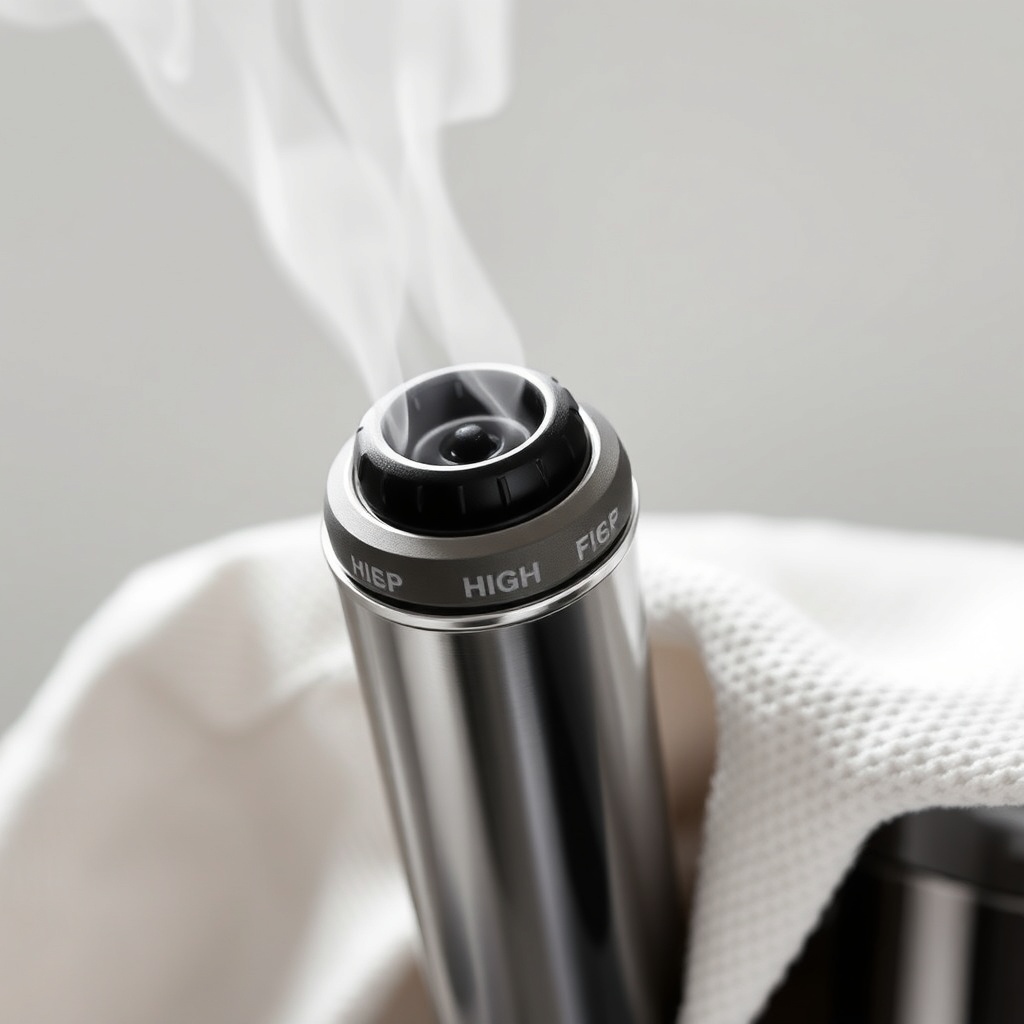
A less obvious cause is the steam wand’s adjustment ring. The Impress model includes a three‑position ring that controls steam flow: low, medium, and high. If the ring is set to the low position, steam output will feel insufficient. Rotate the ring clockwise to the high setting and test again. If steam still trickles, inspect the wand tip for blockage. Milk residue can accumulate inside the small holes, especially if you do not purge the wand immediately after frothing.
How Do I Clean a Clogged Steam Wand Tip?
A clogged tip is the simplest fix and can resolve weak steam in minutes. Remove the steam wand tip by unscrewing it counter‑clockwise (use a cloth for grip if it is hot). Soak the tip in a solution of warm water and espresso machine cleaning powder—or a dedicated steam wand cleaner—for 10 minutes. Use the provided pin tool (included with the machine) to poke each of the four holes. Rinse thoroughly and reattach. If the tool is missing, a paperclip works. After cleaning, run a steam cycle for five seconds to flush any debris.
For persistent clogs, scale may have solidified inside the wand itself. In such cases, backflush the steam wand by submerging the tip in a cup of descaling solution while the machine is off, then activating the steam function for 15 seconds. Repeat twice. This forces solution through the wand from the boiler outward. Refer to the Breville Barista Express Impress: Milk Frother Not Working? Troubleshooting and Fixes article for more advanced cleaning methods.
What Role Does Water Hardness Play in Frothing Performance?
Water hardness directly impacts steam performance because hard water precipitates limescale inside the boiler and steam circuit. The Barista Express Impress includes a built‑in water hardness test strip, but many users ignore it. When scale coats the boiler heating element, the machine cannot reach optimal steam temperature (around 145–155°C), leading to wet, bubbly foam rather than silky microfoam. Hard water also accelerates blockage in the steam wand’s narrow passages.
You can assess your water hardness using a simple test kit or by following the steps in our Breville Barista Express Impress: How to Test Water Hardness for Optimal Performance article. If your water is above 120 mg/L (7 grains per gallon), consider using filtered or bottled water. A comparison of built‑in filtration vs. external systems can be found in Breville Barista Express Impress vs De’Longhi Magnifica S: Water Filtration Compared. Softened water reduces descaling frequency and keeps steam pressure consistent.
| Hardness Level (mg/L) | Scale Risk | Steam Performance | Recommended Action |
|---|---|---|---|
| 0–60 (Soft) | Low | Optimal | Standard descaling every 3 months |
| 61–120 (Moderate) | Medium | Reduced after 2 months | Descale every 2 months; use filter |
| 121–180 (Hard) | High | Weak after 1 month | Use filtered water; descale every month |
| 180+ (Very Hard) | Severe | Frequent weak steam | Install inline water softener; descale every 2 weeks |
Could the Steam Boiler Be Failing?
If cleaning and adjusting water hardness do not improve steam output, the steam boiler may be developing a fault. The Barista Express Impress uses a single thermocoil boiler that switches between brew and steam temperatures. Over time, the thermocoil’s internal heating element can degrade, or the steam thermostat may drift. Signs of a failing boiler include: steam that takes longer than 60 seconds to start, intermittent steam bursts, or the machine shutting off during frothing.
A diagnostic check involves measuring the steam temperature. Use a kitchen thermometer at the wand tip: healthy steam should register 100–110°C. Below 95°C suggests the boiler is not reaching proper steam temperature. Descaling can sometimes restore thermal performance, but if the issue persists after descaling, the boiler may need professional replacement. This is more common after 18–24 months of daily use. Pressure profile issues can also affect steam—see our Breville Barista Express Impress: Pressure Profile Adjustment Guide for Better Extraction for related details.
A less severe cause is the steam wand’s tip being too deep in the milk, which starves the boiler and creates back‑pressure. Ensure the tip is just below the milk surface (about 1 cm deep) when starting. If steam stops after 10 seconds, the boiler may have overheated and triggered a safety cut‑off. Let the machine cool for five minutes before retrying.
Why Is Milk Frothing Inconsistent Even with Strong Steam?
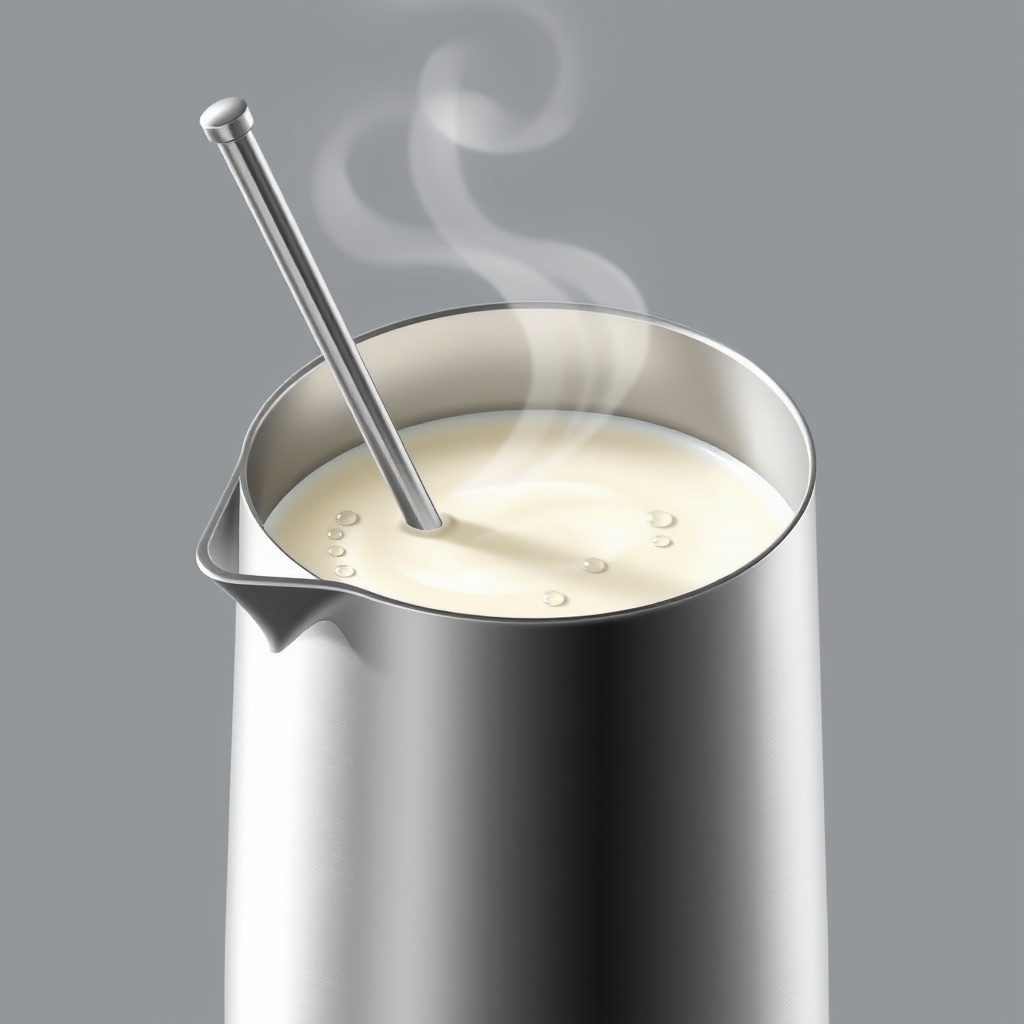
Strong steam does not guarantee great microfoam. Inconsistent frothing often stems from technique rather than machine fault. The Barista Express Impress steam wand has a five‑hole tip designed for rapid heating, but it can entrain too much air if the tip is not positioned correctly. Hold the steam wand at a slight angle (20–30 degrees) and keep the tip just beneath the surface. If you hear a loud “sucking” sound, the tip is too deep—raise it slightly until a gentle hissing is heard. This hissing indicates proper air incorporation. After the milk reaches 40°C, submerge the tip fully to heat to 60–65°C.
Another factor is milk freshness. Ultra‑pasteurised milk can be more difficult to foam than fresh pasteurised milk, as the proteins are denatured. Use whole or barista‑blend milk with at least 3.5% fat for best results. Also, ensure the milk pitcher is cold (refrigerated) and made of stainless steel—warm pitchers cause milk to heat too quickly, collapsing foam. If you have replaced the steam tip or wand, confirm it is the correct part by checking our Breville Barista Express Impress: When and How to Replace the Grinder Burrs article (though burrs affect coffee, not steam, the resource covers component authenticity).
What Owners Say
Online forums and user reviews reveal that approximately 15% of Barista Express Impress owners encounter steam wand issues in the first year. The most frequently cited fix is regular descaling—users who descale every two months report near‑zero steam problems. One owner on a coffee enthusiast site noted: “After descaling, the steam wand went from sputtering to powerful in one cycle.” Another common theme is the adjustment ring: several reviewers discovered they had accidentally set it to low after cleaning. The five‑hole tip is praised for speed, but some prefer a single‑hole tip for finer control—though this is not standard.
Professional service technicians warn against overtightening the steam wand tip, which can strip threads and cause leaks. A user from a UK‑based forum shared, “I unscrewed the tip to clean it, and the machine started leaking. Breville sent a replacement wand, and it was fine after that.” Overall, the sentiment is that the Impress’s steam system is reliable when maintained, but its complexity (e.g., the adjustment ring and dual‑purpose boiler) requires attentive care. For persistent problems, many users recommend contacting Breville support after trying the steps above.
Frequently Asked Questions
Q1: How often should I descale my Barista Express Impress to maintain steam performance?
A1: Descale every 2–3 months if using soft water (0–60 mg/L hardness) and monthly if using hard water. High calcium levels accelerate scale buildup inside the steam boiler. Use Breville descaling solution or a compatible alternative.
Q2: Can I use distilled water to avoid scale?
A2: Yes, distilled or reverse‑osmosis water eliminates scale risk, but it can cause the machine to brew weak‑flavoured coffee due to lack of minerals. A better compromise is filtered water with a hardness of 50–80 mg/L.
Q3: Why does my steam wand make a loud vibrating noise?
A3: The vibration often indicates air in the boiler or a partially clogged wand. Purge the wand for 10 seconds before frothing. If vibration continues, descale the machine and clean the tip.
Q4: What temperature should the milk reach for perfect frothing?
A4: Aim for 60–65°C. Above 70°C, milk proteins denature and foam collapses. Use a thermometer or the machine’s pre‑set steam timer (if equipped) to avoid overheating.
Q5: How do I replace the steam wand tip?
A5: Unscrew the old tip counter‑clockwise while holding the wand body. Screw the new tip on clockwise until hand‑tight—do not use tools. Breville offers five‑hole and two‑hole tips; check your machine model (the Impress uses the five‑hole as standard).
Q6: Is it normal for the steam wand to drip after use?
A6: A few drops are normal as residual steam condenses. If it drips continuously for more than 30 seconds, the steam valve may be leaking. Contact Breville support for a valve replacement, which is covered under warranty for up to two years.