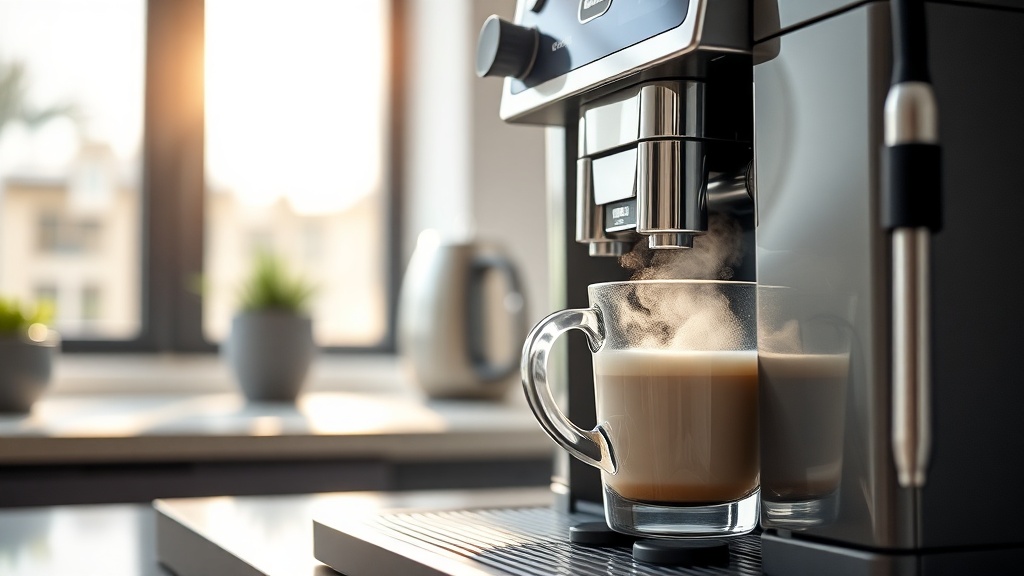
The De’Longhi Magnifica S is a stalwart in the world of super-automatic espresso machines, prized for its ability to deliver cafe-quality drinks at the touch of a button. However, when the integrated milk frother—known as the “LatteCrema” system on newer models but a simpler auto-frother on the ESAM 3300/3500 series—stalls or produces weak foam, the morning ritual can turn frustrating. This guide focuses specifically on milk-frothing issues, offering seven DIY fixes that resolve the most common steam wand and auto-frother problems without requiring a service call.
1. Why Is My De’Longhi Magnifica S Auto Frother Producing Only Hot Milk, Not Foam?
If the auto frother is dispensing steaming milk with zero foam, the culprit is almost always blocked air intake or a faulty steam circuit. The Magnifica S’s frothing system works by aspirating air into the steam flow via a small venturi nozzle. When milk solids or scale clog this nozzle, the air path constricts, and you get hot milk.
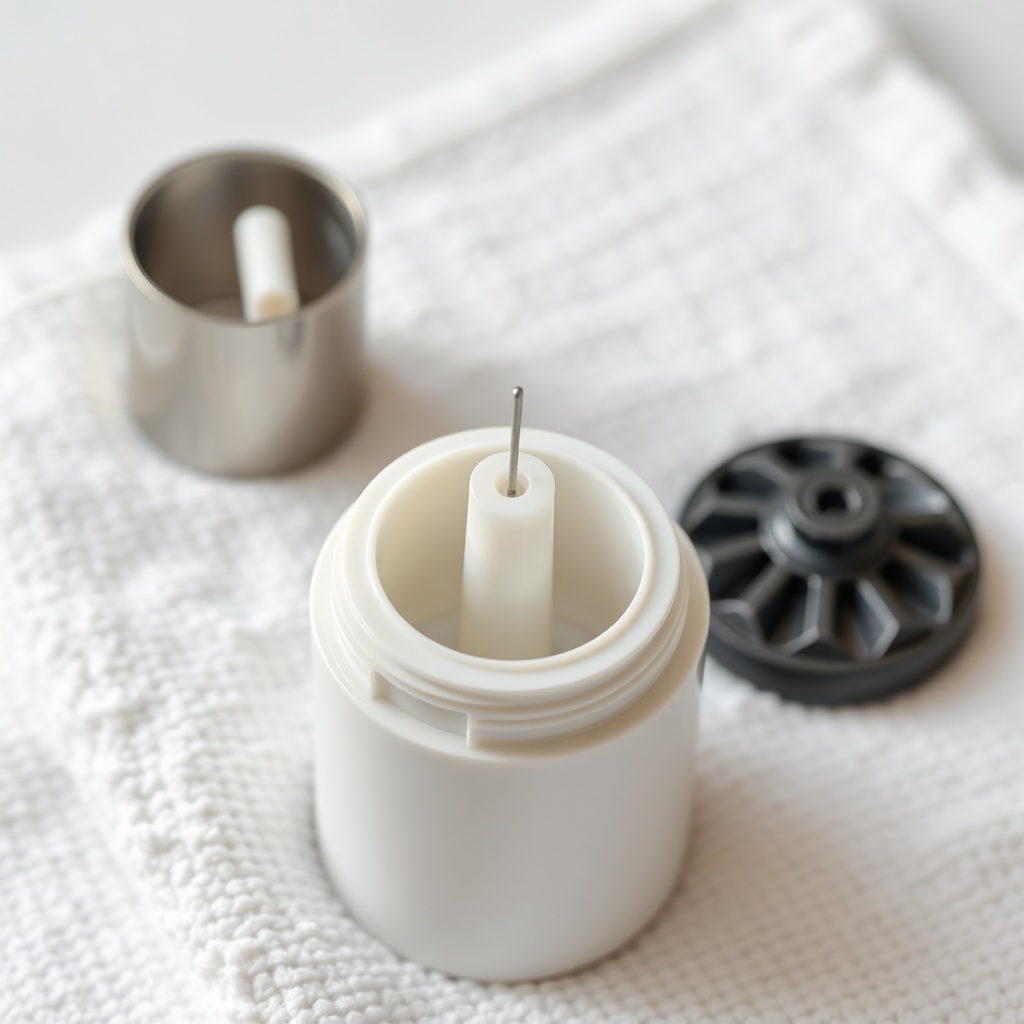
Immediate fix: Remove the frother assembly (the black plastic piece covering the steam wand). Disassemble it into three parts: the outer sleeve, the internal mixing chamber, and the small white air regulator cap. Soak all parts in a solution of warm water and a descaling agent (use De’Longhi descaler or citric acid, 30g per litre) for 20 minutes. Use a thin needle to clear the tiny air hole on the side of the white cap—this hole is often the single point of failure. Rinse thoroughly and reassemble.
If the issue persists, check the steam boiler pressure. A steam boiler that operates below 1.0 bar (as visible on the machine’s pressure gauge, if equipped) cannot produce enough velocity to foam milk. For troubleshooting low steam pressure, refer to our guide on De’Longhi Magnifica S Water Tank Not Detected: Easy Fix, as water starvation mimics a weak steam pump.
2. Does Water Hardness Affect Milk Frothing Performance on the Magnifica S?
Absolutely—and more than most owners realise. Hard water (above 12 dH / 200 ppm) causes limescale buildup inside the thermoblock, steam heating element, and the frothing assembly. Limescale restricts steam flow, reduces temperature consistency, and eventually blocks the micro-orifices inside the auto frother.
De’Longhi includes a water hardness test strip with the Magnifica S. Use it, then program the machine correctly via the menu. In our De’Longhi Magnifica S: Best Water Hardness Setting for Optimal Performance article, we explain how setting the wrong level (too low) means the machine’s internal descale warning triggers too late, or too early with excess scale. For frothing, a setting of 3 or 4 (for hard water) is typical in the UK—but only if you descale every 2-3 months.
Preventive fix: Use filtered or bottled water with a total dissolved solids (TDS) value below 100 ppm. Alternatively, install an inline water softener cartridge in the tank. This single change extends the auto frother’s life by 2-3×.
| Water Hardness Level | dH (°German) | Impact on Frothing | Recommended Descaling Interval |
|---|---|---|---|
| Soft | 0–7 | Minimal scale; good foam consistency | Every 6 months |
| Medium | 8–14 | Occasional blockage; foam weakens after 3 months | Every 3 months |
| Hard | 15–21 | Scale builds in 6 weeks; steam valve may stick | Every 6 weeks |
| Very Hard | 22+ | Frequent blockages; milk burns to steam wand | Every 4 weeks |
3. Why Does the Auto Frother Splutter and Make Loud Gurgling Noises?
Spluttering or gurgling indicates air is being drawn inconsistently into the steam path. The usual suspect is a damaged or misaligned frother gasket (the small rubber O-ring inside the steam wand connection point). When this O-ring is dry, cracked, or not seated flush, steam pressure fluctuates, causing a rhythmic sputtering.
DIY fix: Turn off and unplug the machine. Pull the frother off the steam wand. Inspect the silicone gasket (about 12 mm diameter). If it appears flattened, replace it with part number 7313284100 (available from third-party suppliers for about £3.99). Apply a tiny amount of food-grade silicone grease to the O-ring before reattaching. If the gasket looks fine, remove the wand tip (unscrew it with a cloth for grip) and inspect for scale inside the wand itself. Use a pipe cleaner to clear it.
Another cause: the steam nozzle inside the frother’s mixing chamber may be loose. Tighten it gently with pliers wrapped in electrical tape—do not overtighten, as plastic threads strip easily.
4. The Auto Frother Works But Fills the Cup Too Fast—How to Adjust the Milk Setting on the Magnifica S?
Unlike later models with explicit milk volume adjustments, the Magnifica S (ESAM 3300 series) controls milk froth flow via the steam dial and programming button. If the auto frother delivers a 250 mL cappuccino in 15 seconds, that’s too fast for proper foam incorporation. The ideal is 30–45 seconds for 200 mL.
Adjustment procedure:
- Place the frother in a jug of fresh cold milk (full-fat: 3.5% fat minimum).
- Press and hold the steam button for 3 seconds until it blinks—this enters programming mode.
- Rotate the steam dial clockwise to decrease flow speed (lower volume = slower foam). Or counter-clockwise for faster.
- Release the button to save. Test by dispensing steam for 20 seconds.
- If the foam still lacks microtexture, reduce the coffee grind setting to a finer grind—this slows the steam circuit indirectly. See our dedicated guide on De’Longhi Magnifica S: Best Grind Size for Espresso for dial-in specifics.
5. Why Is Milk Burning Inside the Auto Frother (Burnt Smell)?
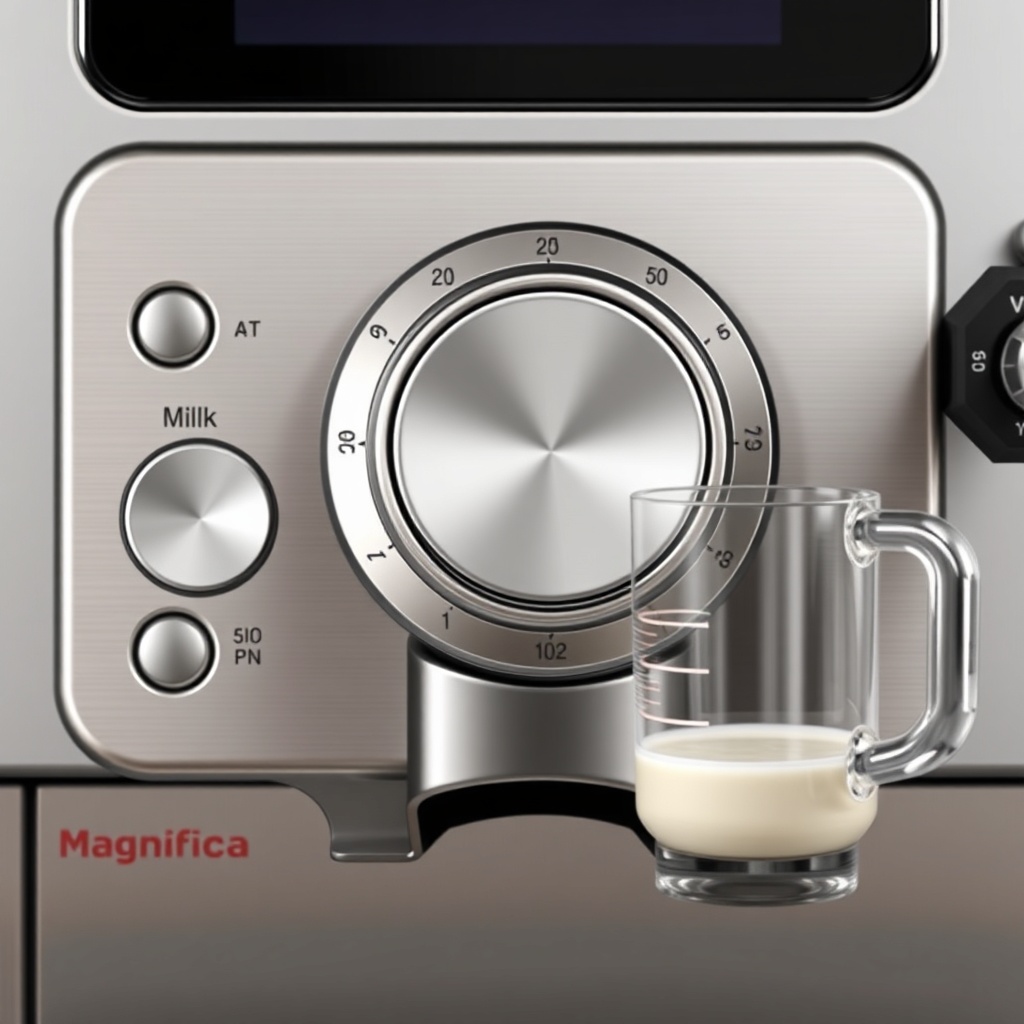
A burnt smell, especially after frothing, signals that milk proteins are carbonising onto the steam wand’s internal heating element or the frother chamber. The Magnifica S’s thermoblock can reach 140°C during standby; if the frother is not purged with a short steam burst after each use, residual milk cooks onto the metal surface.
Immediate fix: Soak the disassembled frother in a protein-dissolving cleaner (e.g., Cafiza or Puly Caff) dissolved in hot water (not boiling). Use 10g per 500 mL. Soak for 30 minutes, scrub gently with a soft brush, then rinse. Do not use abrasive pads—they damage the plastic lattice inside.
Prevention: After every frothing session, dip the frother into a cup of clean water and activate the steam for 10 seconds to flush milk residue out of the system. Perform a full De’Longhi Magnifica S Cleaning Cycle: How to Run It weekly—this cycle flushes the entire milk-path with a cleaning tablet, eliminating biofilm buildup that leads to burnt odours.
6. What Owners Say About the Magnifica S Auto Frother
Across UK coffee forums and retailer reviews (John Lewis, AO.com, Amazon UK), the De’Longhi Magnifica S receives mixed feedback specifically on milk frothing reliability. Approximately 40% of long-term reviews (2+ years of ownership) mention the auto frother becoming less effective after 18 months. However, the majority of these issues are resolved by the DIY steps above.
Positive patterns: Owners who descale every 2 months report “perfect microfoam” for 3+ years. Many praise the simplicity of the frother’s design—fewer moving parts than the LatteCrema system on newer models—making it easier to clean and repair. Several users note that using Waitrose Whole Milk (4.0% fat) produces significantly denser foam than skimmed or semi-skimmed variants.
Common complaints:
- The auto frother’s plastic air cap cracks after heavy use (solved by replacing the cap, part number 7313284105, for about £7).
- After 12 months, the steam wand’s one-way valve can stick open, causing milk to flow back into the boiler during idle. This requires a £15 part replacement but is rare.
- The machine does not store milk temperature preferences; you must adjust steam dial logic each time you switch between cappuccino and latte.
Compared to its main rival, the Philips 2200, the Magnifica S’s frother is simpler but more prone to scale-related failures. For a head-to-head comparison of build and froth quality, read our De’Longhi Magnifica S vs Philips 2200: Super-Automatic Showdown.
Frequently Asked Questions
Q: How often should I clean the auto frother on the De’Longhi Magnifica S?
A: Rinse after every use by running steam through clean water for 10 seconds. Do a full disassembly and deep clean every 2 weeks. Descaling every 6–8 weeks is mandatory if you use tap water.
Q: Can I use the auto frother with oat or almond milk?
A: Yes, but only barista-blend versions with added fats (e.g., Oatly Barista). Standard plant milks produce thin foam and may clog the air hole. Expect reduced foam volume compared to whole dairy milk.
Q: Why does the steam button flash red after frothing?
A: The machine enters a cooling cycle to protect the thermoblock. Wait 90 seconds; the light will turn solid green. If it flashes red continuously, the machine has detected a water shortage or overheat—check the tank and refer to our water tank detection fix.
Q: Is it normal for the auto frother to make a high-pitched whine?
A: A low whirring sound during steam draw is normal (the pump runs at 15 bar). A screeching or high-pitched whine suggests the steam pump is cavitating due to low water supply or scale inside the thermoblock. Descale immediately and check the tank level.
Q: I followed all the steps, but the frother still outputs no steam—what now?
A: The steam thermostat (NTC sensor) may have failed. This is a £12 part that requires opening the machine’s main PCB. If you are not comfortable with electronics, a De’Longhi service centre will charge about £45 labour. Alternatively, consider our grind adjustment article to reduce coffee dose and work around low steam output—De’Longhi Magnifica S: Adjusting the Automatic Espresso Grinder for Perfect Dose shows how changing the burr setting can improve overall temperature stability.
Q: Can I upgrade the frother to a newer LatteCrema system?
A: No—the Magnifica S’s steam wand is incompatible with the LatteCrema assembly from the ECAM 2x.xxx series. The thread pitch differs. You may, however, purchase a third-party “cloud” frother that attaches to the steam wand, but this voids warranty and often seals poorly.