Breville Barista Express Impress: How to Test Water Hardness for Optimal Performance
For coffee enthusiasts who value precision in every shot, the Breville Barista Express Impress offers a remarkable blend of automated dosing and manual artistry. However, even the best espresso machine can underperform without proper water management, as mineral content directly impacts flavour and machine longevity. This guide focuses exclusively on water hardness testing, the critical first step toward consistent extraction and protection against scale, ensuring your investment delivers café-quality results for years.
Why Does Water Hardness Matter for the Barista Express Impress?
Water hardness refers to the concentration of dissolved calcium and magnesium ions in your local supply. Hard water, typically above 120–180 ppm (parts per million), precipitates limescale inside the boiler, thermoblock, and group head of the Breville Barista Express Impress. This buildup reduces thermal efficiency, alters brew temperature, and eventually clogs internal passages—leading to longer extraction times or weak espresso. As covered in our extraction timing analysis, inconsistent flow often traces back to mineral deposits. Testing hardness allows you to adjust filtration or descaling frequency, protecting a machine that costs roughly £750 in the UK.
Soft water, below 60 ppm, can also cause issues, such as metallic tastes or corrosion in some components. The ideal range for espresso machines is 50–100 ppm, yet most tap water falls outside this sweet spot. Recognising your baseline hardness empowers you to choose the right filter, whether a simple jug cartridge or an inline system.
What Tools Do You Need to Test Water Hardness?
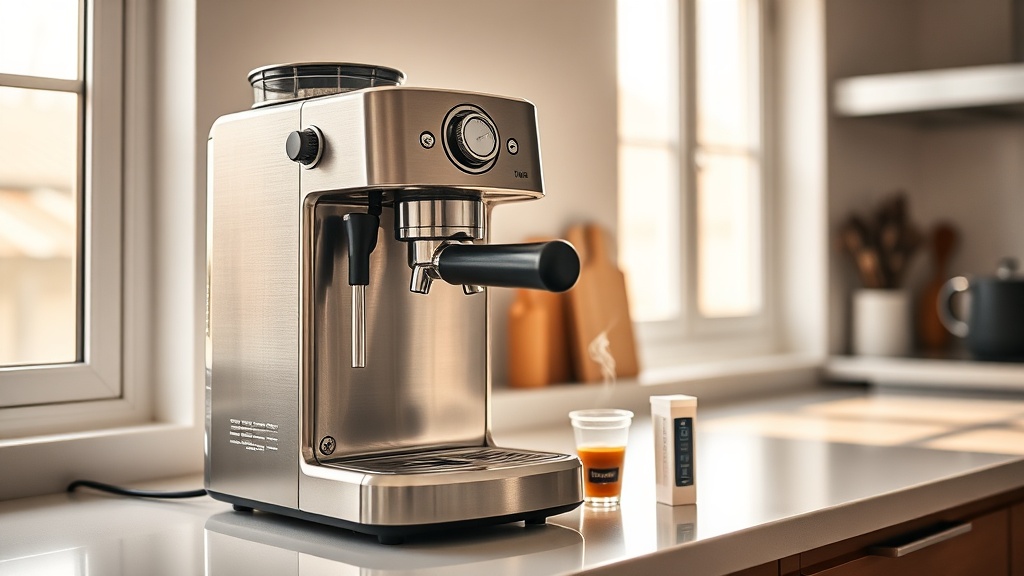
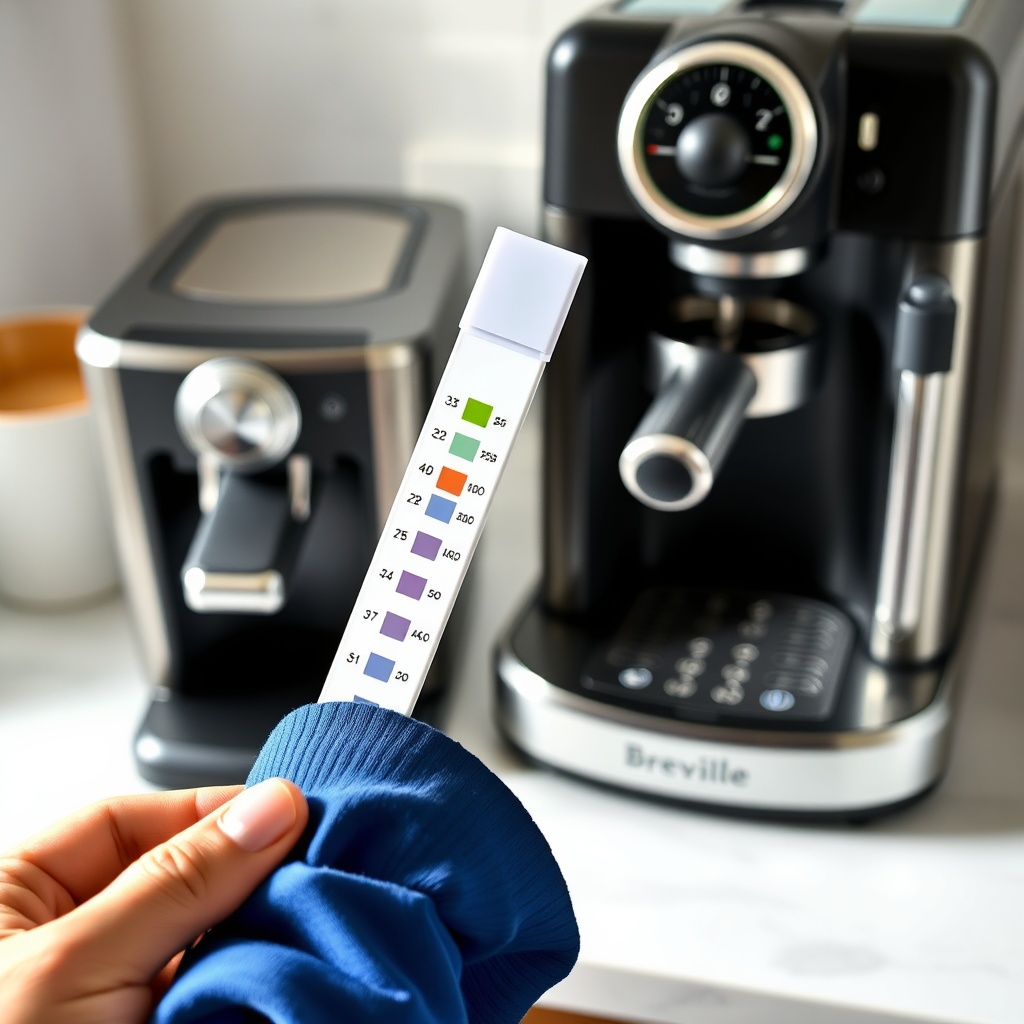
Testing water hardness for the Barista Express Impress requires either a dedicated test strip kit (common in UK supermarkets for £5–£8) or a digital TDS meter (available for £12–£30). Test strips use reactive pads that change colour after a few seconds in water, offering a rough ppm estimate. Digital meters provide a numeric TDS (total dissolved solids) reading but may not differentiate hardness from other dissolved minerals—though they remain accurate for general scale risk.
Professional-grade titration kits (e.g., from aquarium supply stores) measure calcium and magnesium separately but are overkill for home use. A reliable approach is to contact your local water supplier for a free report; many UK councils publish annual data online. Once you have a result, apply it directly to the machine’s “water hardness” setting, which adjusts the frequency of the descaling reminder.
How Do You Interpret the Test Results for Your Machine?
The Breville Barista Express Impress has a built-in water hardness menu (accessed via the settings button) with six levels: 01 (soft) through 06 (very hard). Each level corresponds to a ppm range, as shown in the table below. Setting the correct level ensures the machine alerts you at appropriate intervals—typically every 30–60 shots for hard water versus every 200 shots for soft water.
| Hardness Level | ppm Range | Typical Region (UK Examples) | Descaling Frequency (approx. shots) |
|---|---|---|---|
| 01 (Soft) | 0–50 | Parts of Scotland, North West England | 200 |
| 02 (Slightly Hard) | 51–100 | London area (after filtration) | 150 |
| 03 (Moderate) | 101–150 | Midlands, East Anglia | 100 |
| 04 (Hard) | 151–200 | South East England (e.g., Kent) | 60 |
| 05 (Very Hard) | 201–300 | Isle of Wight, parts of London | 40 |
| 06 (Extremely Hard) | 300+ | Some boxed spring waters | 30 |
To set the level, power on the machine, press and hold the menu button for three seconds, then rotate the dial until “Water Hardness” appears. Adjust using the grinder dial (treat each click as a level increase), then press start to save. This calibration directly influences how often you will see the descaling alert. Our step-by-step descaling guide details the full process once the light activates.
What Are the Best Water Filtration Options for the Barista Express Impress?
Once you know your hardness level, filtration becomes either a necessity for hard water or an option for soft water. The Barista Express Impress has a 2.3-litre tank with an integrated filter holder, compatible with Breville’s own charcoal and ion-exchange filter cartridges (around £8 each, lasting 60 days). These reduce chlorine, sediment, and up to 90% of calcium. For very hard water (level 05 or 06), consider a third-party in-line filter like the Brita Intenza or Peak Water jug filter, which can soften the water before it enters the tank.
A reverse osmosis (RO) system is rarely needed unless water exceeds 400 ppm, but if used, remineralisation cartridges restore essential ions for taste. Regardless of the method, replace filters on schedule. For a comparison of filtration solutions between the Impress and Barista Pro, see our dedicated analysis. The costs add up: typical filter replacement is £30–£60 annually, far cheaper than the £150–£300 you might spend on descaling chemicals or repairs from scale damage.
Remember: filtered water not only protects mechanics but also improves extraction consistency. If your current water produces uneven yellow crema or metallic notes, suspect hardness imbalance first.
How Often Should You Retest Water Hardness?
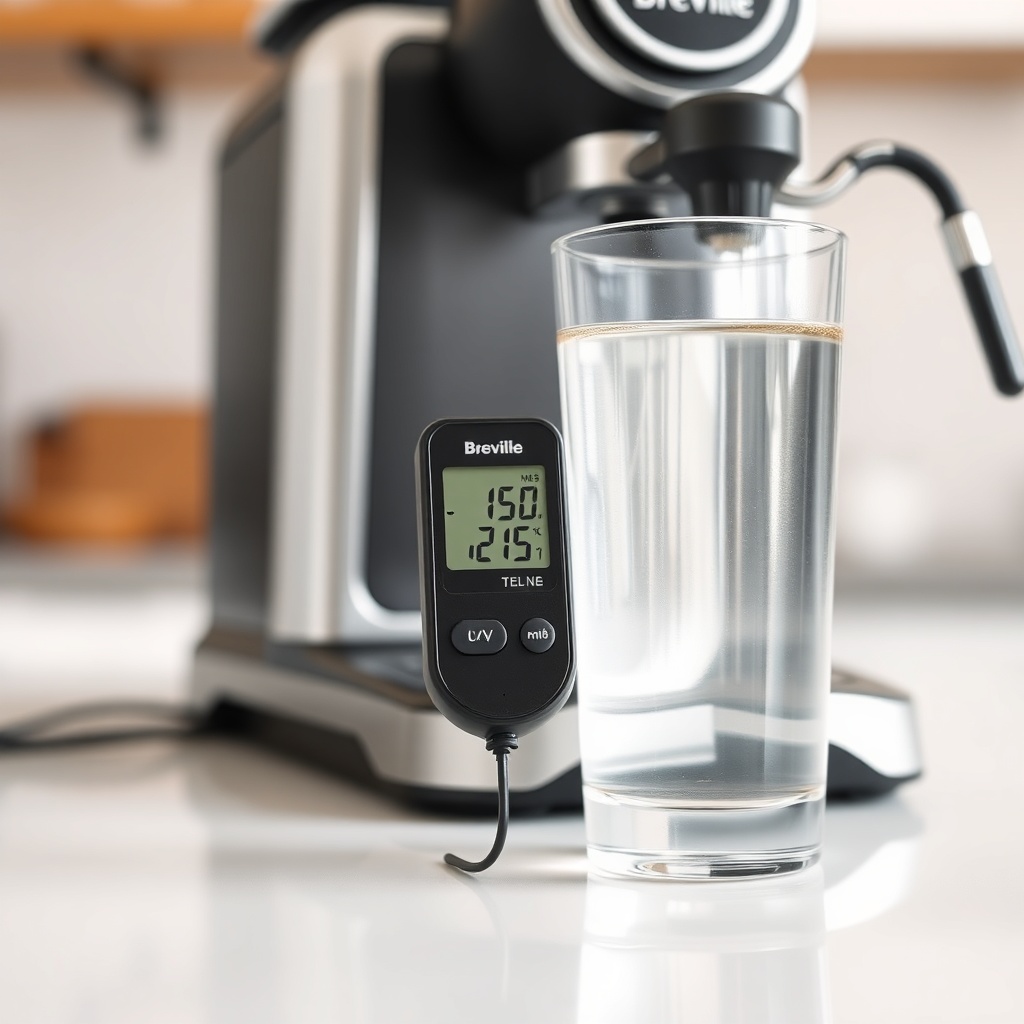
Water hardness can fluctuate seasonally. In many UK regions, summer supply from reservoirs softens while winter draw from chalk aquifers hardens. Therefore, retest every three to six months, especially if you notice scale on the drip tray or a “calc” indicator appearing earlier than expected. A digital TDS meter gives instant results without strips; just dip the probe in a glass of tap water and note the reading.
If you move homes or switch to a different bottled water supplier (not recommended due to cost and mineral variability), retest immediately. The Barista Express Impress’s memory retains the hardness setting until you manually change it, so updating numbers after each test is essential. Milk frothing issues sometimes also relate to scale buildup, which we address in a separate troubleshooting post. Monitoring water quality proactively eliminates a whole class of performance problems.
What Owners Say
Owner feedback on UK forums and review sites consistently praises the water hardness testing simplicity of the Barista Express Impress, though some wish the instruction manual was clearer. One user from London, where water measures 220 ppm, noted that after adjusting the machine to level 05 and installing a Peak filter, descaling alerts became perfectly spaced at every 45 shots. Another owner from Scotland, with naturally soft water, reported that level 01 kept the machine scale-free for over six months with minimal maintenance.
However, a minority of owners complained about false positives—the machine requesting descaling even with soft water. This often traced back to using distilled water (which the machine reads as 0 ppm but lacks minerals for proper brew taste) or forgetting to reset the hardness level after a filter change. The consensus: test with a simple dip strip, set the level accordingly, and replace the internal filter every two months. Temperature consistency also improves with correct hardness, as scale deposits insulate the thermoblock and cause lower brew temperature—a common observation among owners.
Frequently Asked Questions
1. Can I use bottled water instead of tap water for the Barista Express Impress?
Yes, but test it first. Many bottled waters are harder than tap—some spring waters exceed 300 ppm. Volvic and Evian work reasonably (< 100 ppm), while brands like San Pellegrino are too mineral-rich. Filtration is still recommended for consistent results.
2. What happens if I ignore the water hardness setting?
The machine defaults to level 04 (hard), which may cause too-frequent or too-rare descaling alerts. Ignoring the actual hardness risks scale buildup that can clog the group head or steam wand, potentially voiding the warranty if damage is severe.
3. Do I still need to descale if I use a filter?
Yes, because filters reduce but do not eliminate dissolved solids. The descaling cycle removes residual buildup. The machine’s hardness setting adjusts the reminder interval based on filtered water—assuming you set the correct level.
4. How often should I replace the internal water filter?
Breville recommends every 60 days or 300 litres, whichever comes first. The machine’s filter indicator (if enabled) will show a flashing icon when replacement is due. Ignoring it can lead to reduced flow and taste.
5. Can low water hardness affect espresso taste?
Yes. Extremely soft water (below 20 ppm) can produce flat, sour espresso because minerals help extract flavour compounds. Adding a pinch of bicarbonate of soda or using a remineralisation cartridge can solve this, but test strips remain the best diagnostic tool.
6. Will a pump failure be caused by hard water?
Possibly. Scale in the thermoblock restricts flow, forcing the pump to work harder and potentially leading to premature wear. Our pump pressure troubleshooting guide lists early warning signs such as grinding noises or slow flowing espresso, often worsened by untreated water.