For espresso enthusiasts, water quality is often the overlooked variable that separates a good shot from a transcendent one. The BrewWise Thermoblock, a compact and efficient heating system, is highly sensitive to mineral buildup and impurities, making the choice of water filtration system not just a convenience, but a necessity for consistent performance. This guide breaks down the primary filtration options for the BrewWise Thermoblock, examining their impact on scale prevention, taste, and machine longevity to help you select the best solution for your setup.
How Does Hard Water Affect the BrewWise Thermoblock’s Performance and Lifespan?
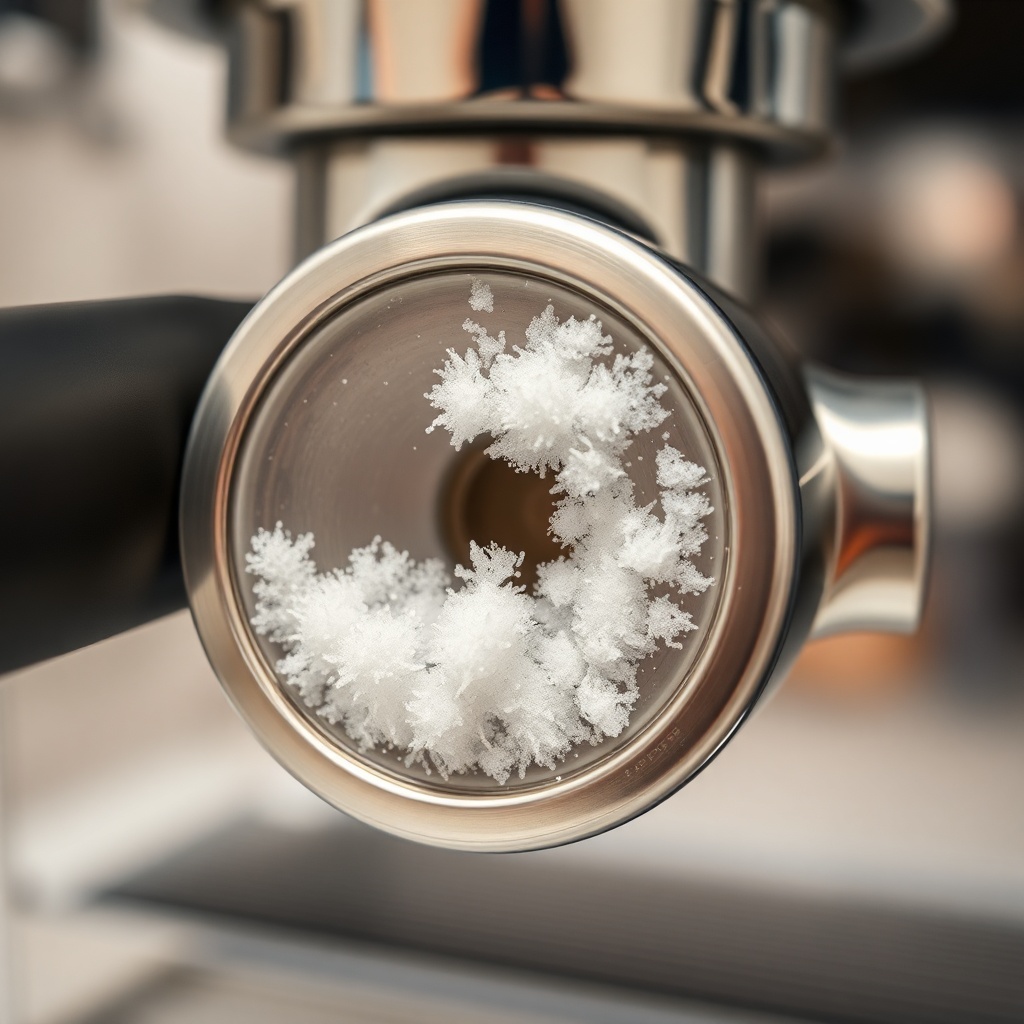
Hard water, rich in calcium and magnesium, is the primary enemy of any thermoblock system. When heated within the BrewWise Thermoblock, these minerals precipitate out of solution and form limescale deposits. This scale acts as an insulator, significantly reducing heat transfer efficiency. The thermoblock must then work harder and longer to reach the target brew temperature, leading to longer heat-up times and inconsistent shot temperatures. Over several months, accumulated scale can narrow the internal water passages, restrict flow, and even cause the thermoblock to overheat, potentially leading to a total failure of the heating element. A proper filtration system is the most effective preventative measure against these costly repairs.
Which Filtration System Does the Best Job of Preventing Limescale?
When it comes to scale prevention, the two contenders are standard activated carbon filters and dedicated water softeners or reverse osmosis (RO) systems. Activated carbon filters, such as those found in many pitcher-style filters, are excellent at removing chlorine, sediment, and improving taste, but they do not reduce the mineral content (hardness) of the water. For the BrewWise Thermoblock, this means scale formation will still occur, albeit with slightly better-tasting water. A dedicated water softener, whether a built-in resin cartridge or a whole-house system, uses ion exchange to replace calcium and magnesium ions with sodium or potassium ions. This drastically reduces water hardness, virtually eliminating scale formation. For the best protection, a combination of sediment pre-filtration followed by a water softener is recommended.
Can Using a Reverse Osmosis System Damage My BrewWise Thermoblock?
While reverse osmosis (RO) systems produce incredibly pure water, they can be risky for a BrewWise Thermoblock if not used carefully. RO water is almost completely devoid of minerals, making it “aggressive” – it can leach metal ions from the thermoblock’s brass or stainless steel components over time, potentially leading to corrosion or a metallic taste in your espresso. Furthermore, the low mineral content can confuse some espresso machines’ water level sensors. The best practice for a BrewWise Thermoblock is to use an RO system that includes a remineralization stage, which adds back a small, balanced amount of calcium and magnesium. This creates water that is both scale-resistant and safe for the machine’s internals, often described as “third-wave water.”
What Is the Difference Between a Water Filter Pitcher and a Built-In Inline Filter?
This is a common comparison for BrewWise Thermoblock owners. The table below highlights the key differences:
| Feature | Water Filter Pitcher (e.g., Brita) | Built-In Inline Filter (e.g., BWT, Everpure) |
|---|---|---|
| Scale Prevention | Minimal (does not soften water) | High (uses ion-exchange or other scale-inhibiting media) |
| Installation | None (off-machine) | Requires plumbing connection to machine |
| Cost (Initial & Annual) | Low (£35 initial, £60-80/year for cartridges) | Medium (£75-150 for kit, £40-100/year for cartridges) |
| Filtration Quality | Good for taste/chlorine; poor for scale | Excellent for taste, chlorine, sediment, and scale prevention |
| Impact on BrewWise Thermoblock Longevity | Low (still builds scale, requires frequent descaling) | High (dramatically reduces scale, extends lifespan) |
For most BrewWise Thermoblock owners, a built-in inline filter is the superior investment for machine health, even considering the higher upfront cost. If you are already planning to descaling frequency best practices, an inline filter will extend the intervals significantly.
Is a Dedicated Water Softener Cartridge Worth the Investment?
Yes, a dedicated water softener cartridge is arguably the single best investment for a BrewWise Thermoblock if you live in a hard water area (over 120 ppm). These cartridges, often branded as “BWT bestmax” or similar, are designed to replace the calcium and magnesium with magnesium (for taste) or sodium. They are typically more effective than general inline filters and are easy to replace. The cost per cartridge ranges from £20 to £40, depending on capacity, and typically lasts for 200-300 litres of water. For a home user pulling 2-4 shots daily, this translates to 3-6 months of protection. When combined with a stainless steel vs brass boiler environment, the reduction in scale is dramatic, leading to more stable brew temperatures and a longer machine life.
How Do I Test My Tap Water to Choose the Right Filtration?
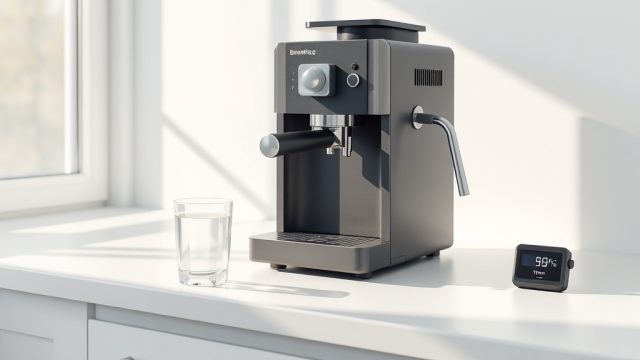
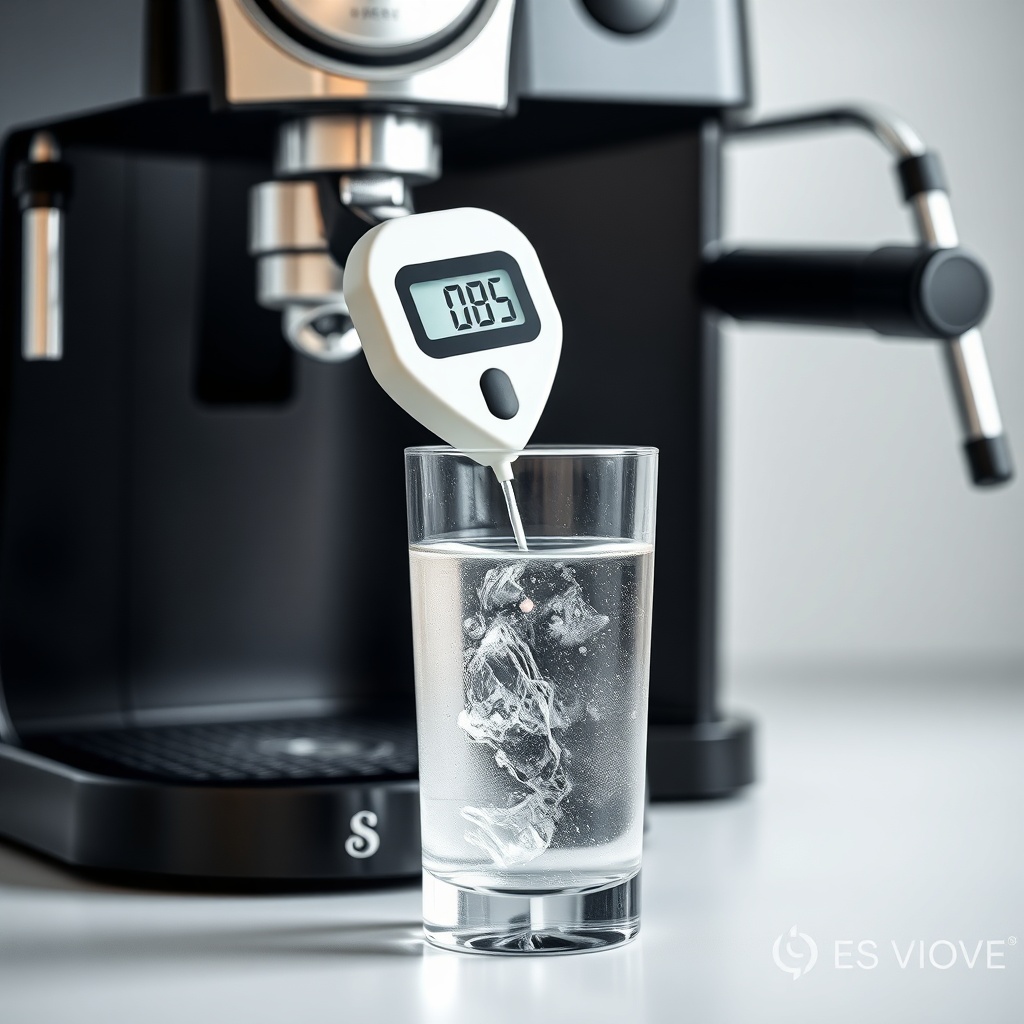
Before purchasing any filtration system, test your tap water. A simple TDS (Total Dissolved Solids) meter, which costs around £15, provides a numerical reading. Hardness is usually measured in parts per million (ppm). Water with a TDS below 50 ppm is very soft, 50-150 ppm is moderately hard, and over 150 ppm is hard. For the BrewWise Thermoblock, target a TDS of 80-120 ppm after filtration for optimal taste and protection. If your supply is below 50 ppm, a simple carbon filter is sufficient. If it’s over 150 ppm, a water softener or RO with remineralization is strongly advised. Remember to test both your tap water and the water that comes out of your filter to confirm performance.
What Owners Say
Many BrewWise Thermoblock owners report a marked improvement in shot consistency after upgrading from a pitcher filter to an inline softener. One user on a UK coffee forum noted that their BrewWise machine previously needed descaling every 3 months; after installing a BWT magnesium cartridge, the interval extended to over 9 months with no visible scale. Another common sentiment is the noticeable improvement in mouthfeel and sweetness of the espresso, attributed to the balanced mineral content of softened water. A few owners who tried RO water without remineralisation reported a flat, metallic taste and eventually switched to a remineralising system. The consensus is clear: investing in proper filtration pays for itself in fewer breakdowns, better coffee, and less time spent descaling. For silent operation tips, see our guide on BrewWise Thermoblock silent operation tips.
Frequently Asked Questions
Q: Can I use distilled water in my BrewWise Thermoblock?
A: It is not recommended. Distilled water is highly aggressive and can leach metals from the thermoblock, leading to corrosion and poor taste. Always use filtered or remineralised water.
Q: How often should I replace my inline filter?
A: Typically every 3-6 months, or after 200-300 litres of water. Check your specific filter’s capacity. If you notice a drop in flow or a change in taste, replace it sooner.
Q: Does a water filter affect the pressure of my espresso machine?
A: A clean, properly installed filter should not affect pressure. However, a clogged or old filter can restrict flow, reducing brew pressure. Regular replacement is key. If you have pressure issues, refer to the BrewWise Thermoblock OPV adjustment guide.
Q: What is the best water hardness level for espresso?
A: Aim for a total hardness of 80-120 ppm (approximately 5-7 grains per gallon). This provides enough minerals for good extraction without excessive scale.
Q: Can I use a magnetic descaler water softener for my BrewWise Thermoblock?
A: Magnetic descalers are controversial and their effectiveness is not scientifically proven. For a sensitive heating system like a thermoblock, a proven ion-exchange softener is a much safer and reliable choice.
Q: Should I filter water before using a water softener cartridge?
A: Yes, pre-filtering with a basic sediment filter (or even a good pitcher) is recommended to remove large particles before the water enters the softener. This extends the life of the softener cartridge and protects the BrewWise Thermoblock pump. For detailed pump maintenance, see BrewWise Thermoblock pump replacement guide.