Why Descaling a BrewWise Thermoblock Is Non-Negotiable
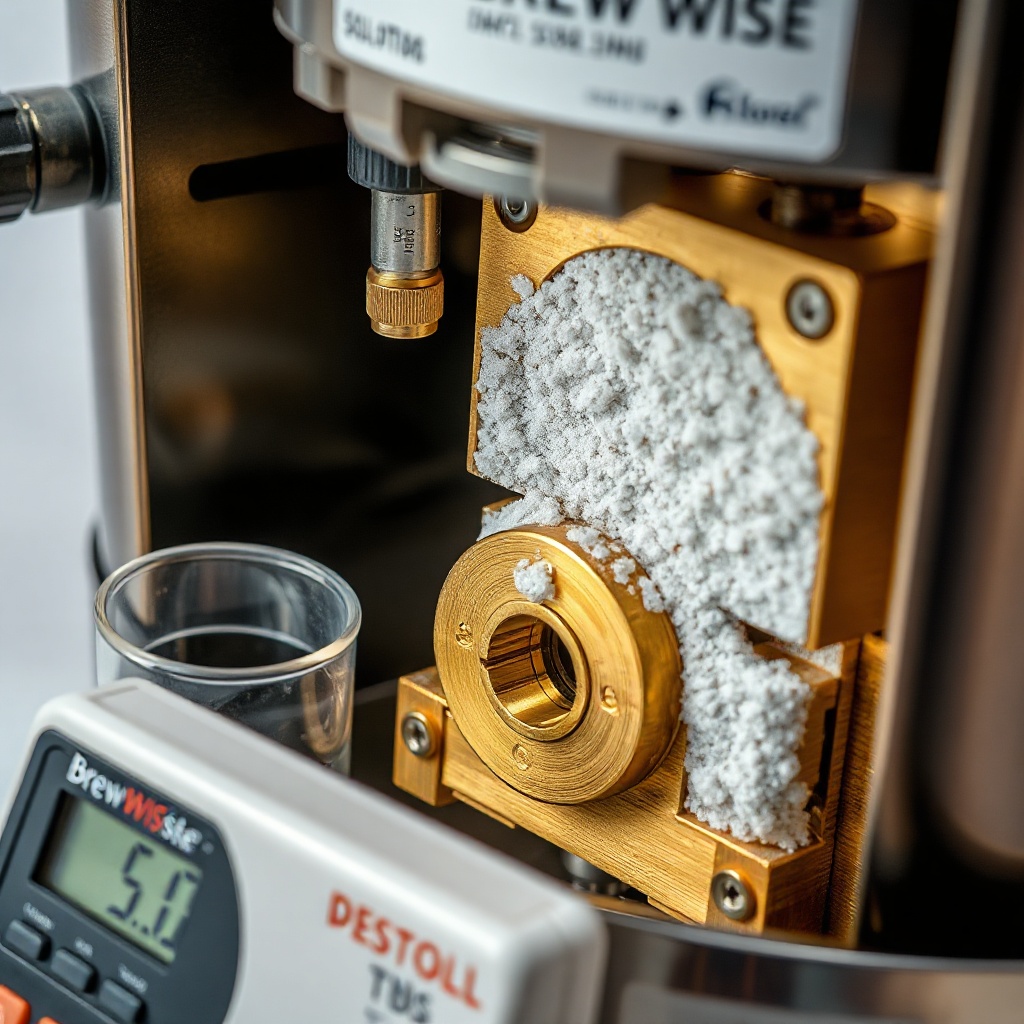
Scale buildup inside a BrewWise Thermoblock is the single most common cause of premature failure, reduced water flow, and off-flavors in espresso. The narrow passages of the thermoblock heat exchanger are especially vulnerable to mineral deposits, which act as an insulator and can lead to overheating—a condition that triggers the thermal fuse or permanently damages the heating element. This article provides a complete descaling schedule tailored to your water hardness, the correct chemical agents, and best practices to maximise the lifespan of your machine. For a deeper understanding of how water chemistry affects extraction, please refer to our guide on water hardness effects on extraction and flavor.
How Often Must I Descale the BrewWise Thermoblock?
Descaling frequency depends entirely on the total dissolved solids (TDS) in your water supply. As a rule, machines in soft-water regions (0–60 ppm CaCO₃) can safely go 3–4 months between descaling, while those in very hard areas (200+ ppm) may require treatment every 4 weeks. The BrewWise service manual recommends descaling after every 200–300 shots, but this is a crude proxy. A more precise method is to monitor pressure and temperature stability. If you notice the boiler takes longer to reach temperature, the pump sounds strained, or flow is intermittent, scale has already formed. For a cost-effective hardness measurement, see our water hardness testing guide. The table below summarises risk levels and recommended intervals.
| Water Hardness (ppm CaCO₃) | Classification | Recommended Descaling Interval | Unsealed Thermoblock Risk |
|---|---|---|---|
| 0–50 | Very Soft | Every 4 months | Low |
| 51–120 | Moderately Soft | Every 3 months | Low–Moderate |
| 121–180 | Hard | Every 6–8 weeks | Moderate–High |
| 181–250 | Very Hard | Every 4 weeks | High |
| >250 | Extreme | Every 2–3 weeks | Very High–Fuse Failure |
Which Descaling Agents Are Safe for the BrewWise Thermoblock?
Only two categories of descaler are approved for the BrewWise Thermoblock: food-grade citric acid (99.9% pure) and sulfamic acid. Both are non-corrosive to brass, copper, and stainless steel when used at the correct dilution. Citric acid is preferred because it is biodegradable, leaves no odour, and is effective at 2–3% concentration (20–30 grams per litre of water). Sulfamic acid (available in commercial espresso descalers) works faster but must be kept below 5% concentration and requires a thorough rinse. Avoid phosphoric acid, hydrochloric acid, or vinegar—these can attack the aluminium-free alloy in the thermoblock and accelerate pitting. For additional details on water chemistry, refer to how water quality directly impacts espresso taste and aroma.
Step-by-Step: How to Descale the BrewWise Thermoblock
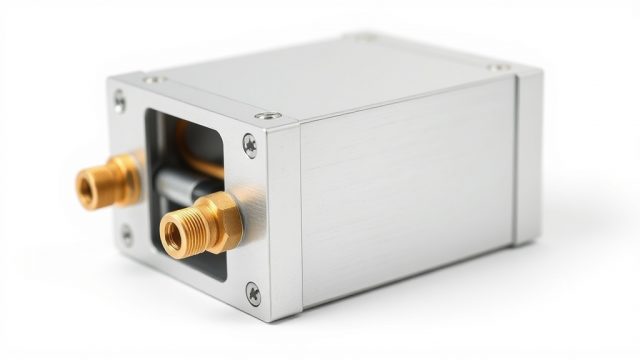
A proper descale circulates the solution through the entire water path, not just the boiler. The BrewWise Thermoblock has a single-circuit heat exchanger, so the process is straightforward. First, empty the machine: remove all portafilters, steam wand tips, and remove the water tank. Mix your descaler (30 g citric acid per litre of hot water at 60 °C) in a separate container and refill the tank with the solution. Run the machine through its full cycle: coffee mode (dispense 200 ml through the group head), then steam mode (open the steam valve for 30 seconds to flush the steam thermoblock). Let the solution sit for 20 minutes, then repeat the cycle twice. Finally, flush with two full tanks of fresh filtered water. Never exceed a 30-minute soak; the BrewWise Thermoblock’s internal seals may degrade in long acid contact. If you have a PID-controlled model, the retrofit guide for temperature stability contains additional flushing advice to protect the sensor.
What Are the Warning Signs That Descaling Is Overdue?
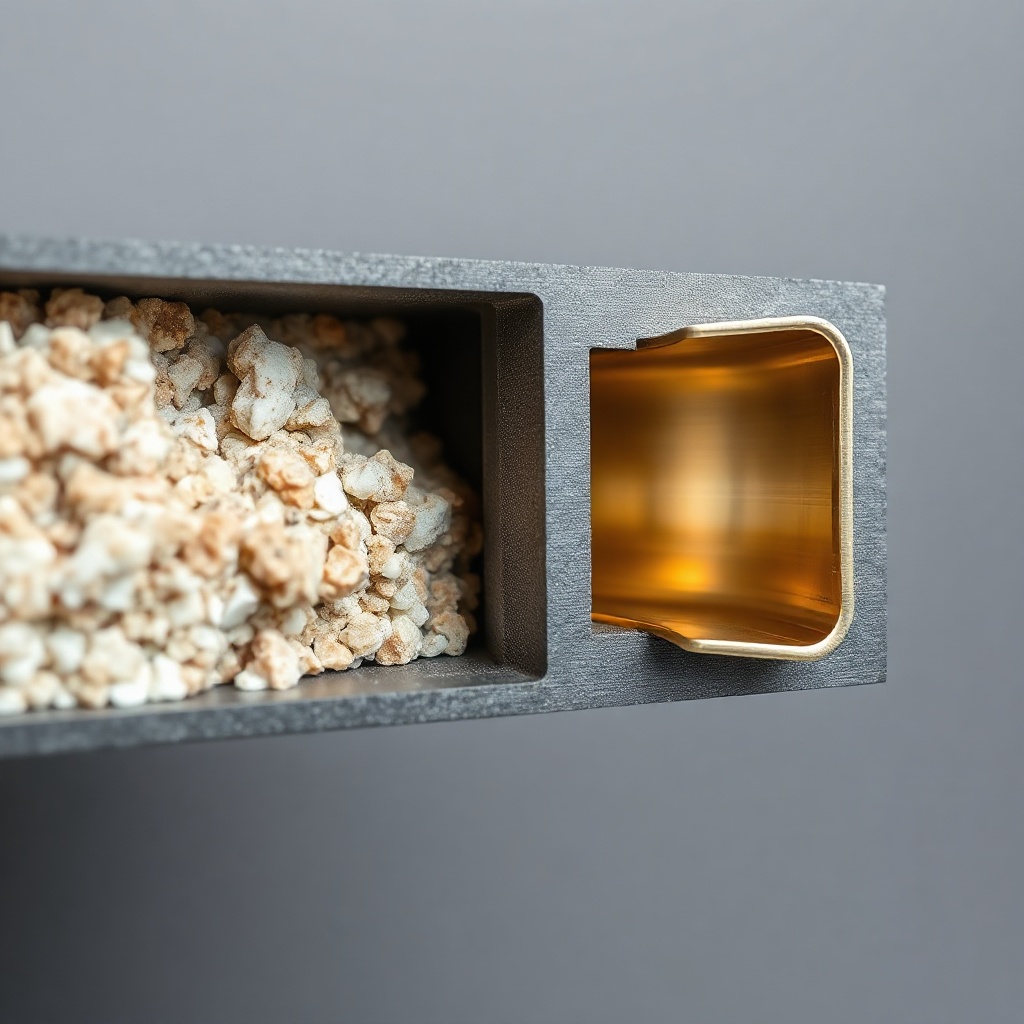
Left untreated, scale buildup manifests in four distinct symptoms. First, the heating cycle becomes erratic: the brew temperature may spike to 98 °C then drop to 88 °C within a single shot, a sign that the thermoblock has lost thermal transfer efficiency. Second, the machine’s pressure gauge (if fitted) shows a higher-than-normal value during pre-infusion, indicating water flow restriction. Third, you hear a sizzling or popping noise from the thermoblock—this is steam flash-boiling trapped beneath scale deposits. Fourth, the pump itself cycles more frequently or fails to reach full pressure; for pump diagnostics, see how to replace the pump for consistent flow. If any of these symptoms appear, perform an immediate descale irrespective of your calendar schedule. The thermoblock’s thermal fuse typically fails after approximately 5 severe scale events, at which point a full replacement is needed.
Should I Use a Descaling Tablets or Liquid?
Both forms are effective, but tablets offer more precise dosing for the BrewWise Thermoblock. A single 5 g tablet dissolved in 200 ml of water yields approximately a 2.5% citric acid solution, which is within the safe range. Liquid descalers are more convenient but often include additives such as foaming agents or dyes that can leave residue inside the narrow 1.5 mm water passages of the thermoblock. If you choose liquid, ensure it is specifically labelled for espresso machines and contains only sulfamic or citric acid. The BrewWise official service kit includes pre-measured citric acid sachets (50 g) designed for a 1.5-litre tank cycle. Always avoid “all-in-one” cleaning pellets that combine descaling and detergent—they create a chemical reaction that can deposit a film on the heating element.
How to Minimise Scale Between Full Descale Cycles
Prevention is cheaper than repair. The single most effective measure is to use water with TDS between 40 and 90 ppm—achievable with a simple reverse osmosis system or by blending distilled with tap water. Install an in-line sediment filter (0.5 micron) if your water contains visible particles. After each daily session, run a brief flush of 50 ml through the group head and steam wand to flush out any sediment or mineral concentrate left after evaporation. If you live in an area with water hardness above 180 ppm, consider swapping to a quiet operation modification that also fits a secondary water softener cartridge in the drip tray. Finally, keep the water tank covered: dust and airborne particles can introduce nucleation sites for scale crystals to form.
What Owners Say
Long-term BrewWise Thermoblock users consistently report two recurring themes: descaling discipline directly correlates to machine longevity, and ignorance of water quality leads to expensive repairs. On the CoffeeTech UK forum, a user named “James_Essex” documented that his thermoblock lasted 5 years with quarterly descaling using citric acid, while a neighbour who used tap water at 200 ppm without treatment replaced the thermoblock twice in three years. Another owner, “Milan_Tech” on Reddit’s r/espresso, noted that after adopting a 50/50 distilled-tap mix, his BrewWise Thermoblock’s temperature stability improved by 4 °C based on group head thermocouple readings. However, multiple owners caution that using cheap white vinegar (acetic acid) at any concentration permanently etched the brass in his machine, requiring a full thermoblock rebuild. The consensus: a reliable descaling schedule and water treatment yield a machine that runs quietly and predictably for a decade.
Frequently Asked Questions
1. Can I use vinegar to descale my BrewWise Thermoblock?
No. Vinegar (acetic acid) is too weak at safe concentrations and can corrode the brass alloy used in the BrewWise Thermoblock. It also leaves a lingering odour that affects coffee flavour. Stick to citric or sulfamic acid blends specifically designed for espresso machines.
2. What happens if I never descale the BrewWise Thermoblock?
Scale accumulates, reducing thermal transfer and water flow. Eventually, the thermoblock overheats, which can blow the thermal fuse or warp the heating element. The machine will become unusable and require a full thermoblock replacement, typically costing £150–£250 depending on the model.
3. How do I know if the descaling solution is safe for my machine?
Check the label for a pH of 2.5–3.5 at working concentration. The solution should only contain citric acid, sulfamic acid, or both. Avoid any product that lists hydrochloric acid, phosphoric acid, or fluorides. If you are unsure, the BrewWise manual recommends using 30 g of food-grade citric acid per litre of water.
4. Does descaling affect the taste of my espresso?
Immediately after descaling, there may be a faint metallic taste for the first two shots. This is normal and is caused by residual acid or loose mineral particles. The taste disappears after the third flush. Always run at least three full flush cycles with fresh water after descaling.
5. How long does a descaling cycle take?
With a pump flow of 250 ml/minute, the full procedure—three circulation cycles plus a 20-minute soak and final rinse—takes approximately 1 hour and 20 minutes. You can shorten it by using a solution at 60 °C instead of cold, but never exceed 70 °C to avoid boiling inside the thermoblock.
6. Can I use filtered drinking water to reduce descaling frequency?
Yes, but only if the filter removes calcium and magnesium ions. Basic carbon filters do not soften water. For significant interval extension, use a reverse osmosis filter or a pitcher with a TDS-reducing cartridge. Adjust your descaling schedule according to the measured output TDS of your filtration system.