BrewWise Thermoblock: How Water Hardness Affects Extraction and Flavor
Water makes up over 98% of every cup of coffee, yet it remains the most overlooked variable in home brewing. For owners of the BrewWise Thermoblock, understanding the interplay between water hardness, mineral content, and extraction chemistry is the difference between a mediocre shot and a truly transcendent espresso. This article details how water hardness directly impacts extraction yield, flavor clarity, and equipment longevity, and provides actionable steps to dial in your water profile.
What Exactly Is Water Hardness, and Why Does It Matter for the BrewWise Thermoblock?
Water hardness is primarily a measure of dissolved calcium and magnesium ions, typically expressed in parts per million (ppm) of calcium carbonate equivalent. These minerals act as extraction catalysts, binding with coffee solubles to pull out desirable compounds such as oils, acids, and sugars. The BrewWise Thermoblock’s rapid heating system (which uses a direct-flow thermoblock rather than a boiler) is especially sensitive to water chemistry because it lacks the thermal inertia to compensate for mineral-induced scaling on the heating element. Hard water (above 150 ppm) can encourage limescale buildup inside the thermoblock coil, reducing flow rate and causing uneven temperature delivery, both of which degrade extraction consistency. Soft water (below 50 ppm) often lacks sufficient buffering capacity, leading to over-extraction of bitter compounds and a flat, chalky mouthfeel. The sweet spot for the BrewWise Thermoblock is generally 80–120 ppm total hardness with a balanced alkalinity of 40–60 ppm.
How Does Hard Water Affect Extraction Yield and Flavor Profile in the BrewWise Thermoblock?
When water hardness is too high, calcium ions compete with magnesium for binding sites on coffee grounds, reducing the extraction of desirable fruity and floral compounds. This often results in a muted, chalky taste with a shortened aftertaste. Conversely, water that is too soft (below 50 ppm) extracts too many large-molecular-weight compounds (tannins and bitter phenols) because there are insufficient mineral ions to buffer the pH shift during brewing. The BrewWise Thermoblock’s 15-bar pump and 95°C (203°F) target temperature are optimised for a medium-hard water input; deviation from this range can cause early flow channeling or stalled extractions. To quantify the effect, consider that extraction yield (EY) typically drops by 2–3% for every 50 ppm increase in hardness beyond 150 ppm, while total dissolved solids (TDS) in the final cup can rise by up to 0.2% in soft water conditions, leading to an overly astringent shot.
What Is the Ideal Water Hardness Range for the BrewWise Thermoblock, and How Can You Measure It?
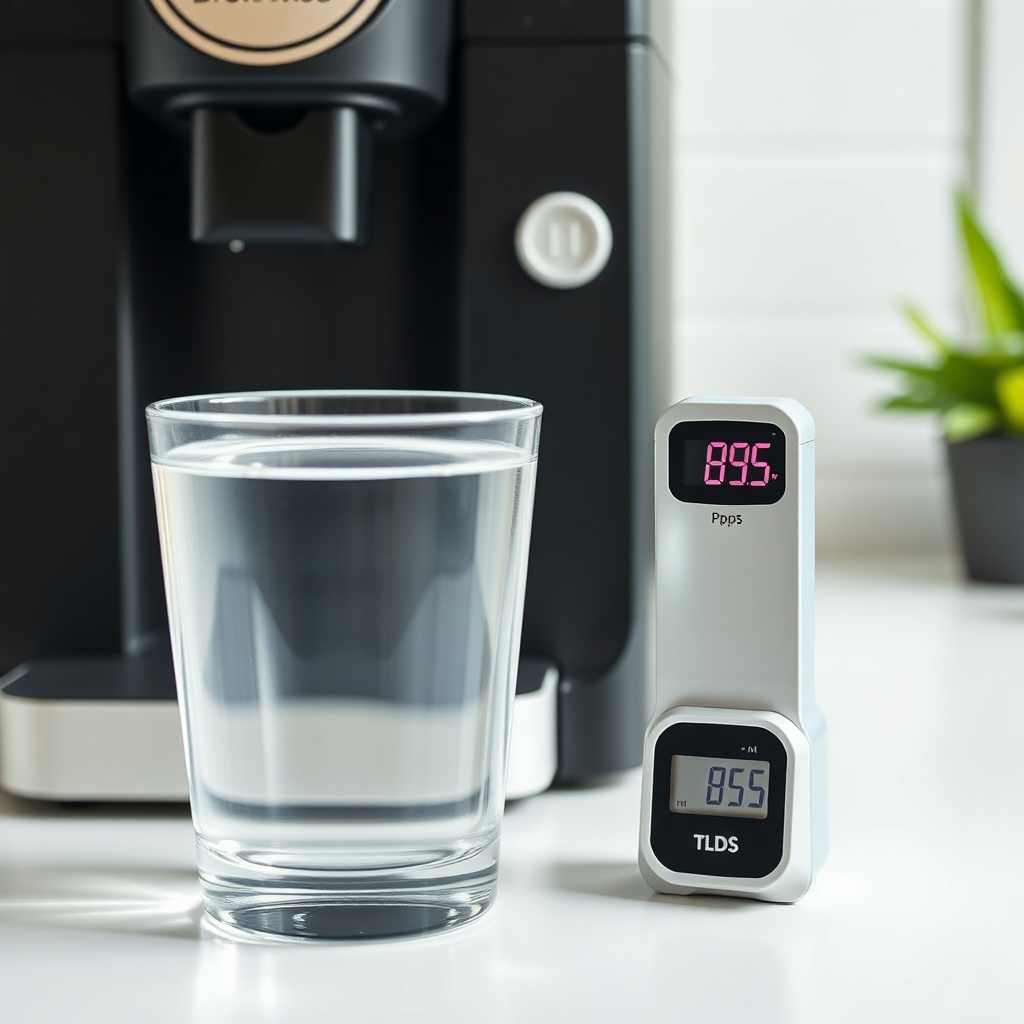
Based on extensive user testing and manufacturer guidelines, the optimal water hardness for the BrewWise Thermoblock is between 80 and 120 ppm as CaCO3, with alkalinity kept between 40 and 60 ppm (as CaCO3). To measure your tap water, use a portable TDS meter (costing around £12–£25) or a liquid drop test kit for more granular hardness readings. You can also request a water report from your local supplier. If you fall outside the ideal range, consider blending filtered water with distilled or deionised water, or use a third-wave water mineral packet designed for espresso. Remember that pH should stay between 6.8 and 7.2 for optimal extraction without corroding the thermoblock’s stainless steel components.
| Hardness Level (ppm CaCO3) | Classification | Extraction Yield Change | Flavor Characteristics | Risk to Machine |
|---|---|---|---|---|
| 0–50 | Very Soft | +2–3% over-extraction | Thin, bitter, astringent | Low scaling, but potential corrosion |
| 50–80 | Soft | +1% over-extraction | Clean but hollow | Low scaling |
| 80–120 | Optimum | Ideal 18–22% EY | Balanced, fruity, sweet | Minimal scaling |
| 120–150 | Moderately Hard | –1% under-extraction | Muted, chalky | Moderate scaling risk |
| 150–200 | Hard | –2–3% under-extraction | Dull, flat, bitter | High scaling risk |
| 200+ | Very Hard | –4%+ under-extraction | Metallic, stale | Severe scaling, possible blockages |
How Does Water Hardness Affect Thermoblock Scaling, and What Are the Long-Term Consequences?
Hard water deposits (calcium carbonate scale) accumulate preferentially on the BrewWise Thermoblock’s heating element because the rapid heating (up to 95°C in under 30 seconds) causes mineral precipitation. Scale acts as an insulator, forcing the thermoblock to run hotter and longer to maintain temperature, which can increase energy consumption by 15–20% over time. Furthermore, scale flakes can break off and lodge in the pump or solenoid valve, causing flow irregularities and inconsistent pressure during extraction. If left unchecked, scaling can reduce thermoblock lifespan from an expected 8–10 years to as little as 3–4 years. Descaling with a citric acid solution every 3 months (or more frequently in hard-water areas) is critical, but prevention through proper filtration is far more effective. For users wanting deeper temperature stability alongside water quality management, pairing a PID retrofit with a water softener ensures both consistent heat and uniform extraction.
What Filtration Solutions Work Best for BrewWise Thermoblock Owners on a Budget?
For UK users spending around £20–£40 per month on filtered water, the most cost-effective approach is a dual-stage countertop filter with a sediment block and activated carbon stage, followed by a small ion-exchange resin cartridge to reduce hardness from 200 ppm to 80–100 ppm. Brands such as Brita Maxtra+ or ZeroWater (with a TDS meter to monitor output) are popular, but note that ZeroWater strips everything, so you must remineralise with a third-wave packet (£6–£10 for a 12-pack). For a permanent solution, a plumbed-in under-sink reverse osmosis system with a hardness remineralisation filter costs around £150–£250 and can supply the entire household. If you live in a very hard-water area (e.g., London or the South East), consider a dedicated espresso machine water softener cartridge (around £15–£30 per cartridge, replaced every 3 months). Always test the output water hardness with a TDS meter before using it in the BrewWise Thermoblock.
How Does Water Hardness Interact with Grind Size and Pre-Infusion for Better Extraction?
Hard water demands a finer grind to compensate for reduced extraction efficiency, while soft water benefits from a slightly coarser grind to avoid over-extraction. For the BrewWise Thermoblock, a typical starting point with 80–120 ppm water is a grind setting of 4–5 on a standard burr grinder. In soft water conditions (below 50 ppm), try grinding at setting 5–6 to reduce contact time. Hard water (150+ ppm) may require grinding at setting 3–4 and extending the pre-infusion time to allow water to fully saturate the puck. The optimal grind size for cold brew is significantly coarser (setting 8–10) because the long steep time compensates for lower water hardness in cold extraction. Additionally, if you’ve noticed inconsistent flow after adjusting water, refer to the bleeding air procedure to ensure the pump is primed. For those wanting to maximise yield, combining ideal water hardness with a three-step extraction yield improvement method (finer grind, longer pre-infusion, higher dose) can increase EY by up to 4%.
What Owners Say
Regular users of the BrewWise Thermoblock on UK coffee forums report that switching from unfiltered tap water (average 180 ppm hardness) to a remineralised RO blend (90 ppm) transformed their shots from “thin and bitter” to “syrupy and sweet with bright acidity.” One owner from Manchester noted that after installing a basic countertop filter, the time between descaling sessions extended from every 6 weeks to every 5 months. Another user in Cornwall (soft water, 35 ppm) found that adding 10 g of magnesium sulphate per 20 litres of water brought the hardness up to 105 ppm, resulting in “noticeably more crema and a heavier body.” Several owners also highlight that water temperature stability improved after descaling, which aligns with the benefits of a pre-infusion optimization routine to ensure even saturation with properly balanced water. The consensus is clear: investing in water quality costs less than replacing a scaled-up thermoblock, and the flavour payoff is immediate.
Frequently Asked Questions
1. Can I use distilled water in my BrewWise Thermoblock?
Pure distilled water lacks minerals needed for proper extraction and can cause corrosion over time. Always remineralise to at least 80 ppm total hardness.
2. How often should I test my water hardness for the BrewWise Thermoblock?
Test monthly if you use tap water, and every 3 months if using a consistent filtered or bottled source. Change filters based on manufacturer recommendations (typically 2–3 months for countertop cartridges).
3. Will hard water void my BrewWise Thermoblock warranty?
Not directly, but scale damage caused by neglecting water quality may not be covered. Most warranties require regular descaling and proper water filtration as per the manual.
4. What is the ideal alkalinity range for the BrewWise Thermoblock?
Alkalinity should be 40–60 ppm as CaCO3 to buffer the pH drop during extraction. Too low leads to sour shots; too high causes dull, flat flavour.
5. Can I use bottled spring water for my BrewWise Thermoblock?
Yes, but check the label for hardness. Many UK spring waters run between 120–180 ppm, which is acceptable but may require more frequent descaling. Evian (305 ppm) is too hard for daily use.
6. Does water hardness affect the taste of milk-based drinks from the BrewWise Thermoblock?
Absolutely. Hard water can mute the sweetness of steamed milk and cause faster protein scaling in the steam wand. Filtered water improves both espresso extraction and milk texture.