BrewWise Thermoblock: How Water Quality Directly Impacts Espresso Taste and Aroma
Every espresso enthusiast knows that the bean matters, but fewer consider that water—comprising over 98% of the final shot—is the true unsung hero. The BrewWise Thermoblock system, designed for precise heating and consistent flow, can only perform as well as the water passed through it. In this article, we explore how water quality, especially hardness and filtration, directly shapes the taste and aroma of your espresso, and offer practical steps to protect your machine and elevate your brew.
Why Does Water Quality Matter for the BrewWise Thermoblock?
Water chemistry influences extraction efficiency, flavour clarity, and even the longevity of the thermoblock itself. High mineral content—particularly calcium and magnesium—can cause scale buildup inside the narrow heating channels, reducing heat transfer and leading to temperature instability. This directly affects the solubility of coffee solids, resulting in under-extracted or harsh shots. Conversely, water that is too soft (low in minerals) can strip essential oils and produce a flat, lifeless cup. For BrewWise Thermoblock owners, achieving the ideal balance (around 100–150 ppm total dissolved solids) ensures optimal thermal performance and flavour extraction.
What Water Hardness Levels Damage the Thermoblock?
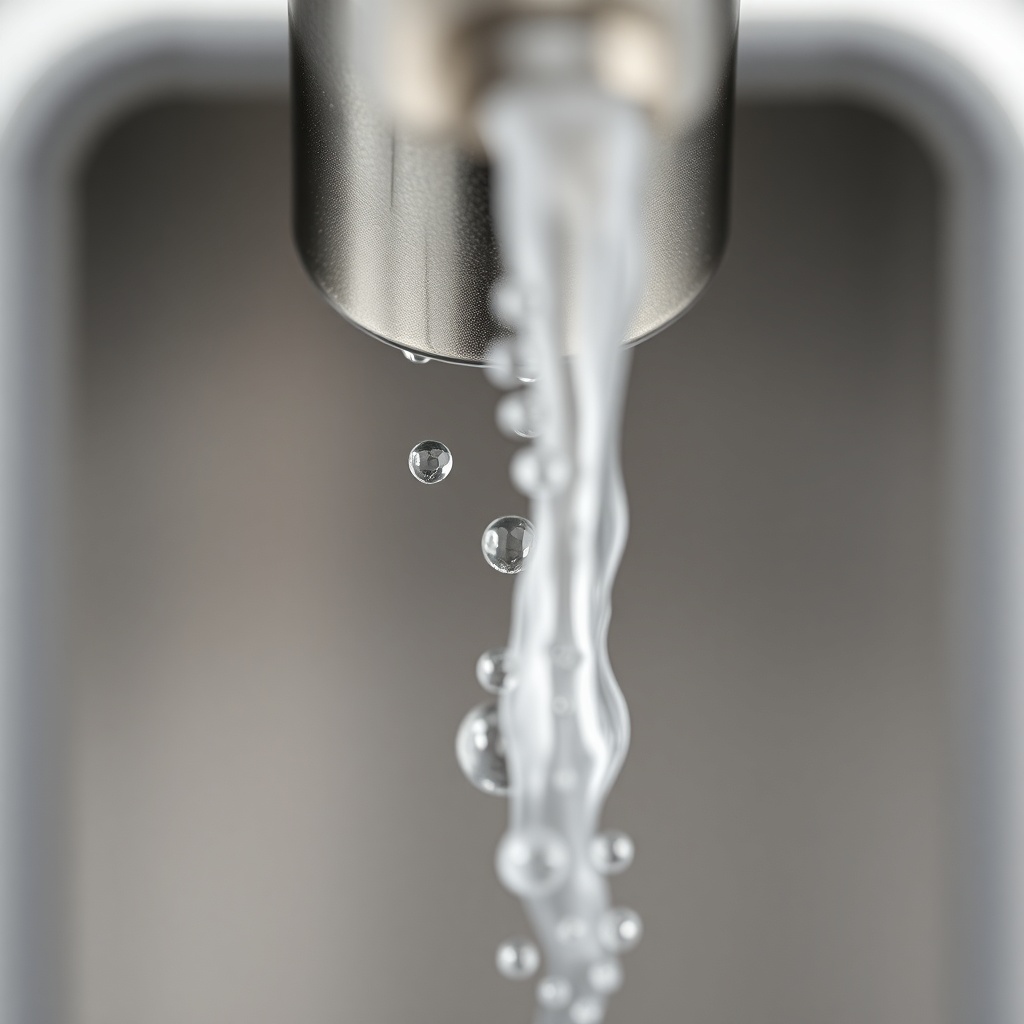
Hard water, typically above 150 ppm calcium carbonate, is the primary threat. Scale deposits accumulate rapidly at high temperatures (above 90°C), which is exactly where the BrewWise Thermoblock operates. Over time, this can reduce flow rate by 30–50% and cause the heating element to overheat, triggering thermal shutdown or permanent damage. Below is a severity table for recommended action:
| Hardness (ppm CaCO₃) | Severity | Recommended Action |
|---|---|---|
| 0–60 | Low (very soft) | Use a remineralisation filter to avoid flat extraction. |
| 61–120 | Moderate | Acceptable; check every 3 months for scale. |
| 121–180 | High | Install a softening filter; descale every 2 months. |
| 181+ | Critical | Immediate filtration required; risk of permanent thermoblock failure. |
For BrewWise Thermoblock users, testing your tap water with a simple TDS meter (under £15) is the cheapest insurance you can buy. Aim for a consistent 120–150 ppm for best flavour and machine health.
How Does Filtered Water Improve Espresso Taste and Aroma?
Filtration not only removes scale-forming minerals but also chlorine, chloramine, and organic compounds that impart off-notes. In a BrewWise Thermoblock, clean water allows the heating element to maintain stable temperature without erratic fluctuations caused by partial scale insulation. This temperature stability is crucial for even extraction of acids, sugars, and oils. The result is a shot with brighter acidity, fuller body, and clearer aromatic notes—think ripe berry rather than muted cardboard. Additionally, filtered water reduces the need for frequent descaling, preserving the thermoblock’s internal surface area for consistent heat transfer.
Which Water Filtration System Should You Use with the BrewWise Thermoblock?
Several options exist, but not all are suited for espresso-grade performance. We recommend three categories:
- Carbon block filters (e.g., Brita or Pur): Remove chlorine and sediment but do not soften water. Ideal only if your hardness is below 120 ppm.
- Ion-exchange softeners (e.g., BWT or ZeroWater): Exchange calcium/magnesium for sodium. Effective for hardness reduction but may increase sodium content, which some claim dulls flavour.
- Reverse osmosis (RO) with remineralisation: Produces near-pure water then adds back desired minerals. This is the gold standard for BrewWise Thermoblock owners, delivering consistent 120–150 ppm with balanced pH (around 7.0). Expect to pay £150–£300 for a under-sink unit like the APEC or iSpring.
For budget-conscious users, a dual-stage filter (carbon + ion-exchange) costing £30–£50 per year offers a solid middle ground. Remember to replace cartridges every 6 months to avoid bacterial growth.
What Role Does pH Play in Extraction?
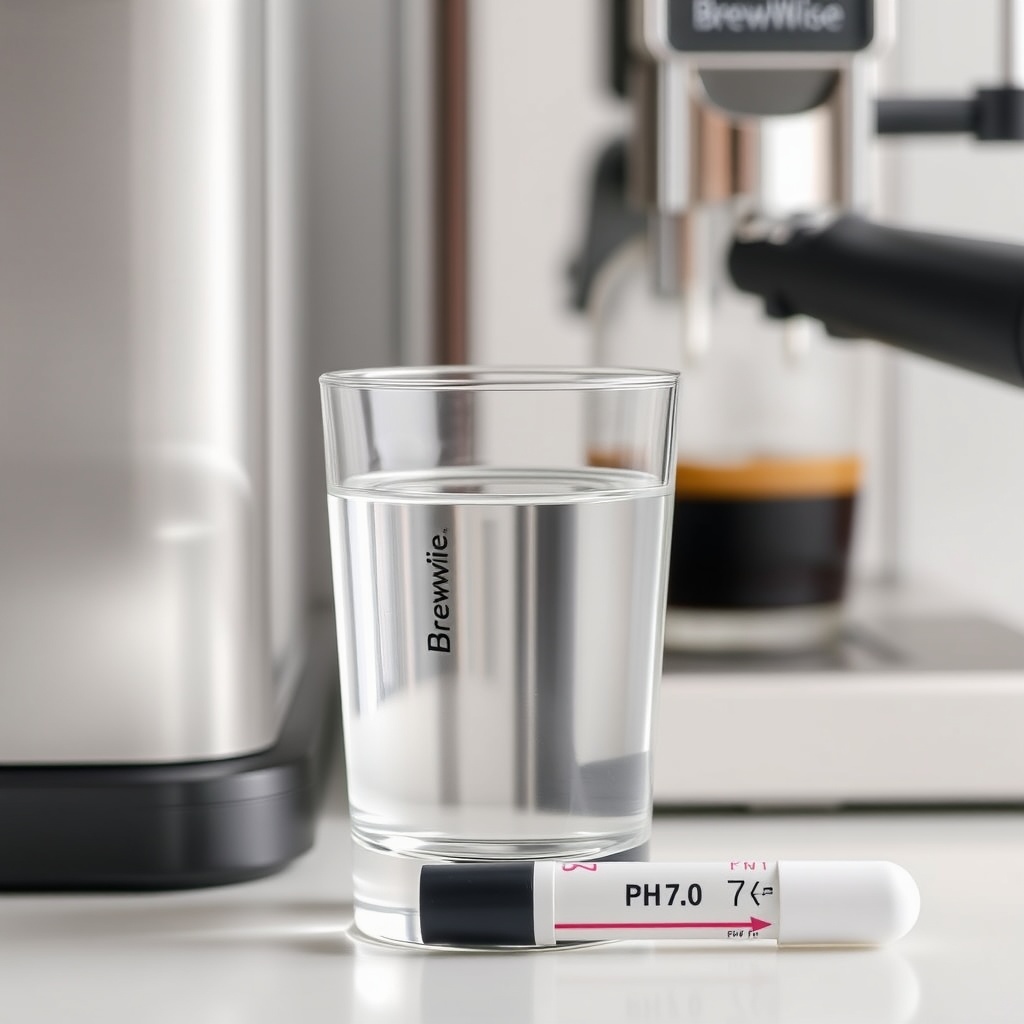
pH measures acidity; optimal brewing water should be near neutral (pH 6.8–7.2). Acidic water (below 6.5) can corrode the BrewWise Thermoblock’s brass fittings and over-extract coffee, leading to sour, sharp flavours. Alkaline water (above 7.5) can cause flat, chalky shots and accelerate scaling. Using buffered filtration (like a remineralisation cartridge) maintains stable pH, protecting both your machine and your palate. A simple pH test strip costs £5–£8 and provides instant feedback.
How Does Water Quality Relate to Extraction Yield?
Water hardness directly affects how efficiently coffee solubles are extracted. Soft water extracts more acids and fewer bitters, while hard water extracts more of the latter. For BrewWise Thermoblock owners, adjusting water quality can tweak extraction yield without changing grind size. If your shots are consistently under-extracted (sour), try slightly harder water (around 150 ppm); if over-extracted (bitter), soften your water. This synergy is explored deeper in our guide on BrewWise Thermoblock: 3 Ways to Improve Extraction Yield for Stronger Shots. Additionally, proper temperature stability from clean water supports optimal pre-infusion techniques for even extraction.
What Owners Say
Longtime BrewWise Thermoblock user Sarah from London reports: “After switching to a BWT filter, my pull times stabilised, and the crema turned golden rather than pale. I finally taste the fruity notes from my Ethiopian beans.” Another user, Mark from Manchester, adds: “I ignored water hardness for six months—my thermoblock choked up. Descale was brutal. Now with an RO system, zero issues, and the flavour clarity is night and day.” Common feedback emphasises that filtration investment pays off within weeks in both taste and machine reliability.
Frequently Asked Questions
Q1: Can I use distilled water in my BrewWise Thermoblock?
A1: Not recommended. Distilled water is too soft, causing over-extraction and flat taste, and it can corrode metal parts due to lack of buffering. Use remineralised water instead.
Q2: How often should I replace my water filter?
A2: Typically every 6 months or after 300 litres, whichever comes first. Check manufacturer guidelines for your specific filter brand.
Q3: Does water quality affect the thermoblock’s lifespan?
A3: Absolutely. Hard water scale reduces heat transfer efficiency, leading to thermal stress and potential element failure. Good filtration can double the thermoblock’s lifespan.
Q4: What TDS level is ideal for espresso with the BrewWise Thermoblock?
A4: 120–150 ppm is the sweet spot, balancing extraction and flavour without scale buildup.
Q5: Can I descale my BrewWise Thermoblock at home?
A5: Yes, use a specialised espresso descaling solution (citric acid or commercial) every 1–3 months depending on water hardness. Follow our guide on bleeding air from the pump to ensure complete descale circulation.
Q6: Will a water softener affect my coffee’s flavour?
A6: Yes, because it replaces calcium with sodium, which may dull acidity. For best results, pair a softener with a remineralisation cartridge or use RO with mineral addition. For temperature control, see our PID retrofit guide for fine-tuning.