BrewWise Thermoblock: How to Prime the Pump After Refilling
When the water reservoir of your BrewWise Thermoblock runs dry and you refill it, the pump may struggle to regain prime, leading to sputtering or no water flow. This guide provides a structured approach to re-priming the pump after refilling, ensuring consistent extraction and preventing damage to the heating element. Understanding this process is critical for maintaining the machine’s longevity and shot quality.
Why Does the BrewWise Thermoblock Lose Prime After Refilling?
The BrewWise Thermoblock relies on a vibratory pump to draw water from a reservoir. When the tank empties completely, air enters the pump and the thermoblock chamber. Unlike rotary pumps, vibratory pumps cannot self-prime against air pockets without manual intervention. Air trapped in the pump head creates a vapour lock, stopping water flow even after the tank is refilled. This can also trigger a dry-boil safety cut-off, which may reset only after proper priming.
Common causes include:
- Running the machine until the reservoir is bone-dry.
- A loose or mis-seated water reservoir.
- Debris or mineral scale in the inlet valve (see our guide on water hardness testing to avoid scaling issues).
- Air ingress from a cracked tank or worn O-ring.
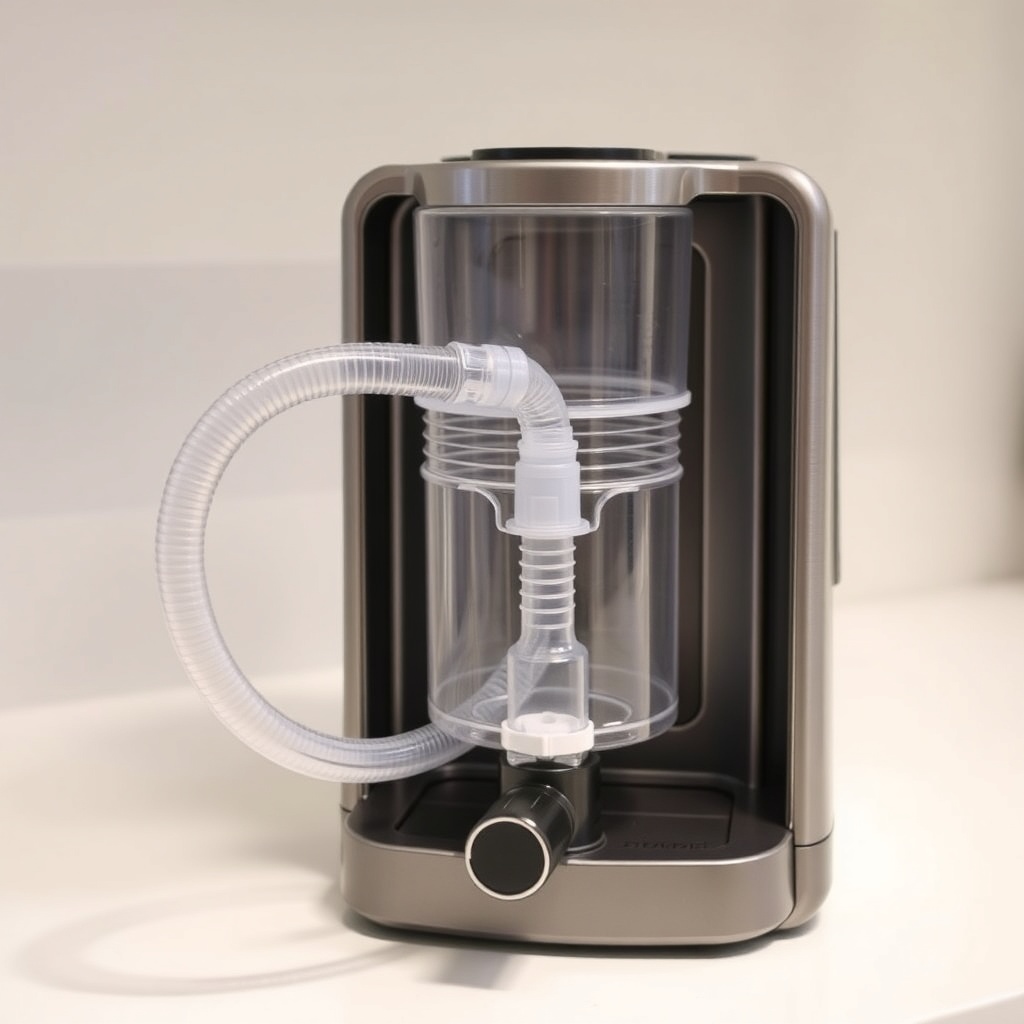
How to Prime the BrewWise Thermoblock Pump: Step-by-Step
Follow these steps immediately after refilling the reservoir. If you skip priming, the machine may overheat the dry thermoblock, risking a pressure safety valve release.
- Step 1 – Fill properly: Use filtered water (ideally between 50–150 ppm TDS). Hard water increases scaling risk; refer to our water optimisation guide for best results.
- Step 2 – Shut the steam wand: Ensure the steam valve is fully closed. Any open path for steam can prevent pump pressure build-up.
- Step 3 – Purge via group head: Place a cup under the group head. Activate the brew switch continuously for 10 seconds, then off for 5 seconds. Repeat 3–5 times. This pushes air out through the group head.
- Step 4 – Manual air release: If no water emerges, open the steam wand slightly (half a turn) while the brew switch is on. You should hear a hiss and see a stream of air followed by water. Close the wand once water flows steadily.
- Step 5 – Check flow rate: Run 200ml through the group head. If the stream is weak or stops after 10 seconds, repeat the priming cycle.
If the pump still fails, inspect the inlet tube for kinks and ensure the reservoir is fully seated. A damaged pump may need replacement; this is rare within the first 12 months of use.
Troubleshooting Common Priming Errors
| Error | Likely Cause | Severity | Solution |
|---|---|---|---|
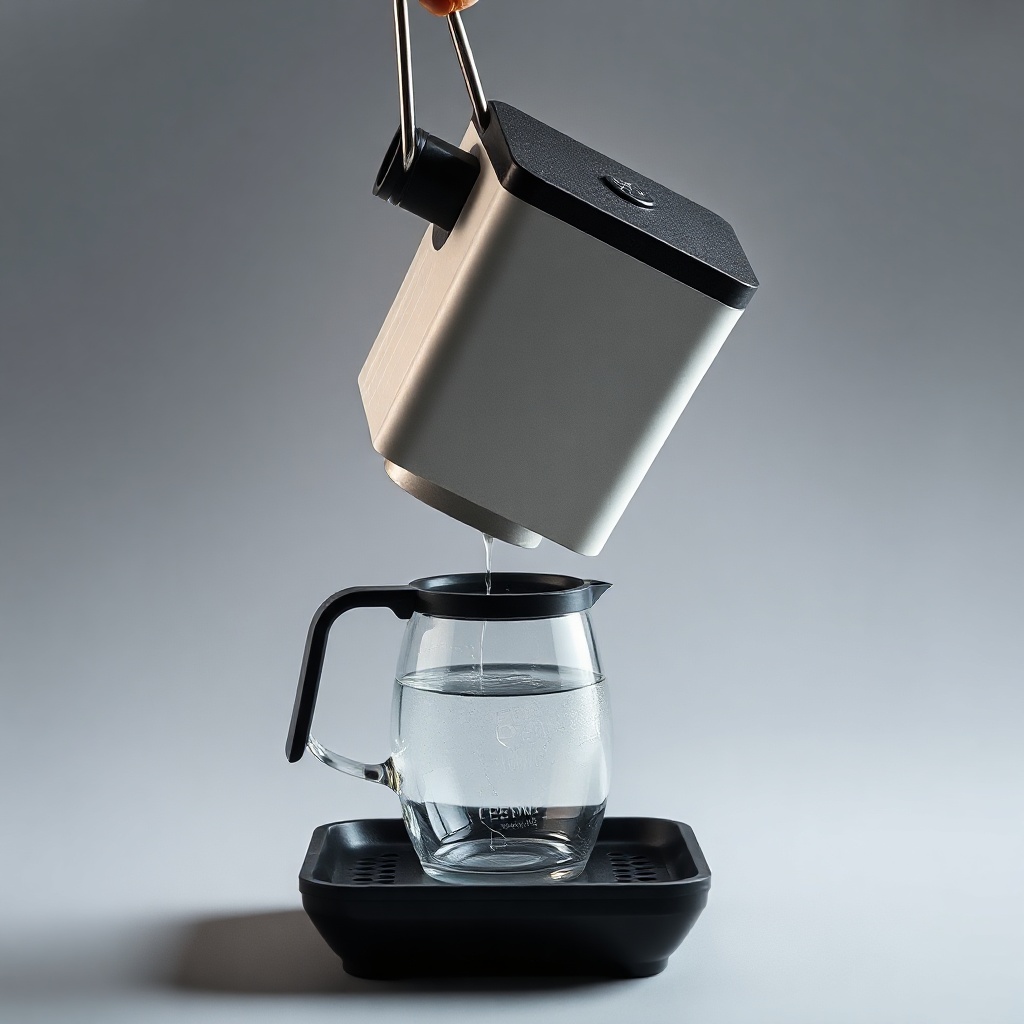
| No water after 5 priming cycles | Air lock in thermoblock chamber | High | Disconnect power, tilt machine 45° backward, then prime again |
| Intermittent sputtering | Partial air ingress or loose reservoir seal | Medium | Check O-ring; reseat reservoir; run 2 full tank flushes |
| Water flows but no pressure for espresso | Scale buildup in pump check valve | Critical | Descale with approved solution; see filtration comparison for prevention |
| Steam wand drips but group head dry | Air trapped in steam boiler (if separate) | Medium | Open steam wand fully, run brew switch 15 seconds, close wand |
How to Prevent Air Locks in the BrewWise Thermoblock
Prevention is far simpler than curing a stubborn air lock. Integrating these habits into your routine will reduce priming frequency:
- Never run the tank completely dry: Refill when the water level drops to 1cm from the bottom.
- Use a water filter: Sediment in unfiltered water can block the inlet valve. Our detailed filtration guide compares built-in vs. external systems.
- Backflush regularly: A dirty three-way solenoid valve can hold air. Follow our backflushing guide weekly if you pull more than 5 shots per day.
- Maintain optimal water hardness: Soft water (below 50 ppm) can cause foaming and air entrapment. Hard water (above 200 ppm) scales the pump. Test monthly per our hardness adjustment guide.
What Owners Say About Priming Issues
BrewWise Thermoblock owners on community forums and review sites often highlight priming as a recurring topic. Common feedback includes:
- “After the first month, I learned to never let the tank go below the minimum line. Once I had to prime it 11 times before water came out.”
- “Descaling fixed my intermittent prime issue. I didn’t realise scale had built up inside the pump inlet. Use the water optimisation guide – it saved me a service call.”
- “Tilting the machine backwards while running the brew switch worked instantly. The manual didn’t mention that trick.”
- “I run a flush every morning before making espresso. That keeps the pump primed and the group head at stable temperature – also try the temperature surfing technique for better shots.”
- “The steam wand method (step 4) is the only reliable way for my unit. Without it, priming takes forever.”
When to Seek Professional Service
If you have attempted manual priming, verified the reservoir seal, and still cannot restore flow, the pump may have a mechanical failure. Signs of pump failure include:
- Loud buzzing or grinding noise from the pump (not the normal vibratory hum).
- No resistance when pressing the brew switch (pump does not vibrate).
- Water leaks from the pump housing.
- Thermoblock error code (if your model has a digital display).
Replacement pump units for the BrewWise Thermoblock retail between £35 and £55 (depending on model year). A certified technician can replace the pump in approximately 45 minutes. Always use genuine BrewWise parts to maintain warranty coverage.
Frequently Asked Questions
Q: Can I prime the BrewWise Thermoblock using a descaling cycle?
No. Descaling cycles do not prime the pump. In fact, running a descale cycle when the pump is air-locked can damage the heating element because no water flows through. Always prime manually first.
Q: How often should I expect to prime the pump?
With proper water level management, you should only need to prime after a full tank depletion (accidental dry-run) or after deep cleaning that empties the system. Normal weekly use rarely requires priming if the reservoir is maintained above the minimum line.
Q: Does tilting the machine void the warranty?
No, tilting the machine by 30–45 degrees for priming is within normal user maintenance. Do not invert the machine completely, as this can cause water ingress into electrical components.
Q: Why does my BrewWise Thermoblock still not work after priming?
If water flows but no espresso pressure builds, check for: (1) a clogged shower screen (clean it per our shower screen cleaning guide), (2) a stuck three-way solenoid, or (3) a broken pump impeller. For pressure issues, professional diagnosis is recommended.
Q: Can I use distilled water to avoid priming problems?
Distilled water (0 ppm TDS) can cause the BrewWise Thermoblock to overheat the thermoblock due to its poor heat transfer properties. It may also corrode metal pump parts. Use treated tap water with TDS between 80–150 ppm for best results.
Q: How long should the pump run during priming without damage?
Do not run the brew switch for more than 60 seconds continuously during priming. The pump can overheat if run dry for longer. Use short 10-second bursts with 5-second rests.