Why Compare a BrewWise Thermoblock System to a Brita Pitcher?
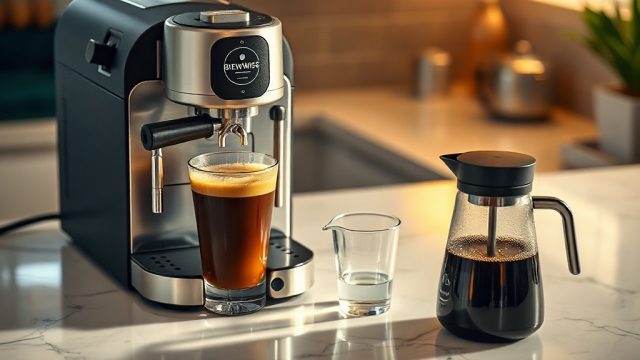
Water quality is the single most influential variable in espresso extraction, yet it is often overlooked by home baristas. The BrewWise Thermoblock Water Filtration System is a built-in, permanent solution designed to integrate directly with thermoblock espresso machines, while the Brita pitcher is a ubiquitous, low-cost countertop filter. This article pits these two approaches head-to-head, examining filtration performance, long-term costs, mineral adjustment capabilities, and real-world user experiences to determine which system delivers the best water for your espresso.
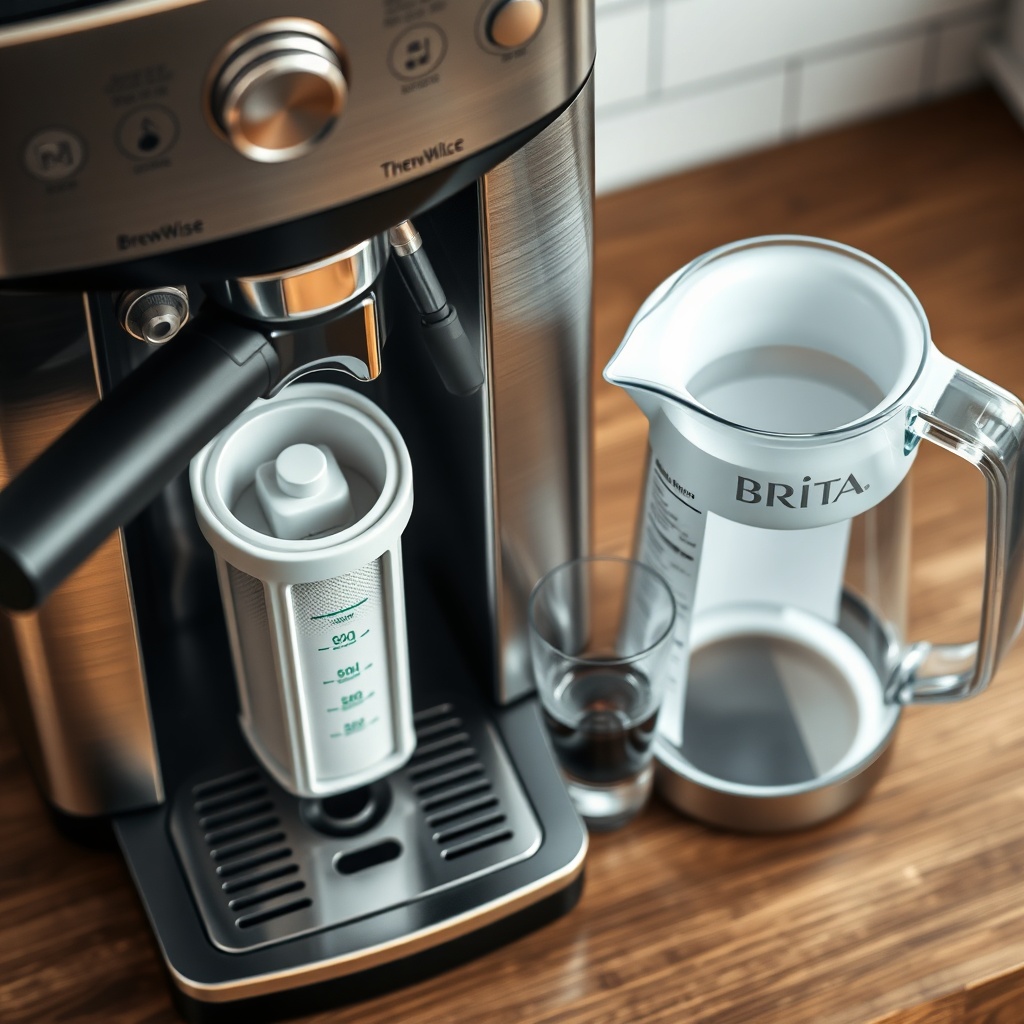
How Does Filtration Quality Differ Between the BrewWise Thermoblock and a Brita Pitcher?
The core difference lies in filtration technology. A standard Brita pitcher uses activated carbon and ion-exchange resin to reduce chlorine, taste, odor, and some heavy metals like copper and mercury. It does not significantly reduce total dissolved solids (TDS) or adjust water hardness—two factors that are critical for espresso machine longevity and flavour.
The BrewWise Thermoblock system, by contrast, employs a multi-stage cartridge that includes sediment filtration, catalytic carbon for chlorine and chloramine removal, and a precise ion-exchange resin that targets calcium and magnesium ions. This allows it to reduce water hardness from very hard levels (e.g., 250–300 ppm) down to an ideal range for espresso—typically 50–100 ppm TDS. Moreover, the BrewWise system is plumbed in, meaning it continuously filters water on demand without requiring manual refills. The Brita pitcher, while convenient, cannot achieve the same level of mineral consistency, and its filter life is solely dependent on volume used, not on actual water quality changes.
| Feature | BrewWise Thermoblock System | Brita Pitcher (Standard) |
|---|---|---|
| Filtration Stages | Sediment, catalytic carbon, softening resin | Activated carbon + ion-exchange resin |
| Total Dissolved Solids (TDS) Reduction | Adjustable: targets 50–100 ppm | Minimal (typically < 10% reduction) |
| Hardness Reduction | High (from 250 ppm to ~50 ppm) | Low (reduces temporary hardness slightly) |
| Flow Rate | On-demand, 1–2 L/min | Slow, gravity-fed (approx. 500 ml/min) |
| Filter Life | 6 months or 1,500 L | 2 months or 40 L |
| Installation | Permanent, under-sink or inline | None (countertop) |
| Cost (Initial + Annual) | £120 (system) + £50/year (cartridges) | £25 (pitcher) + £40/year (filters) |
What Are the Long-Term Costs and Maintenance Requirements?
At first glance, the Brita pitcher appears far cheaper, with an initial outlay of around £25 and replacement filters costing roughly £8–£10 every two months. Over three years, total expenditure is approximately £145. However, this does not account for the potential cost of scale damage to an espresso machine, which can require £200–£400 in descaling or repairs over the same period.
The BrewWise Thermoblock system has a higher upfront cost—typically £120 for the plumbed-in unit plus installation if not DIY—but replacement cartridges cost around £50 annually. Over three years, the total is roughly £270. The key saving is in machine protection; because the BrewWise system actively softens water, scale formation in the thermoblock, boiler (if applicable), and group head is dramatically reduced. For serious espresso enthusiasts, this can extend the life of a machine by several years. As detailed in our guide on BrewWise Thermoblock: How to Test and Adjust Water Hardness for Best Espresso, precise control over water chemistry reduces the need for aggressive descaling cycles, which can degrade seals and heating elements over time.
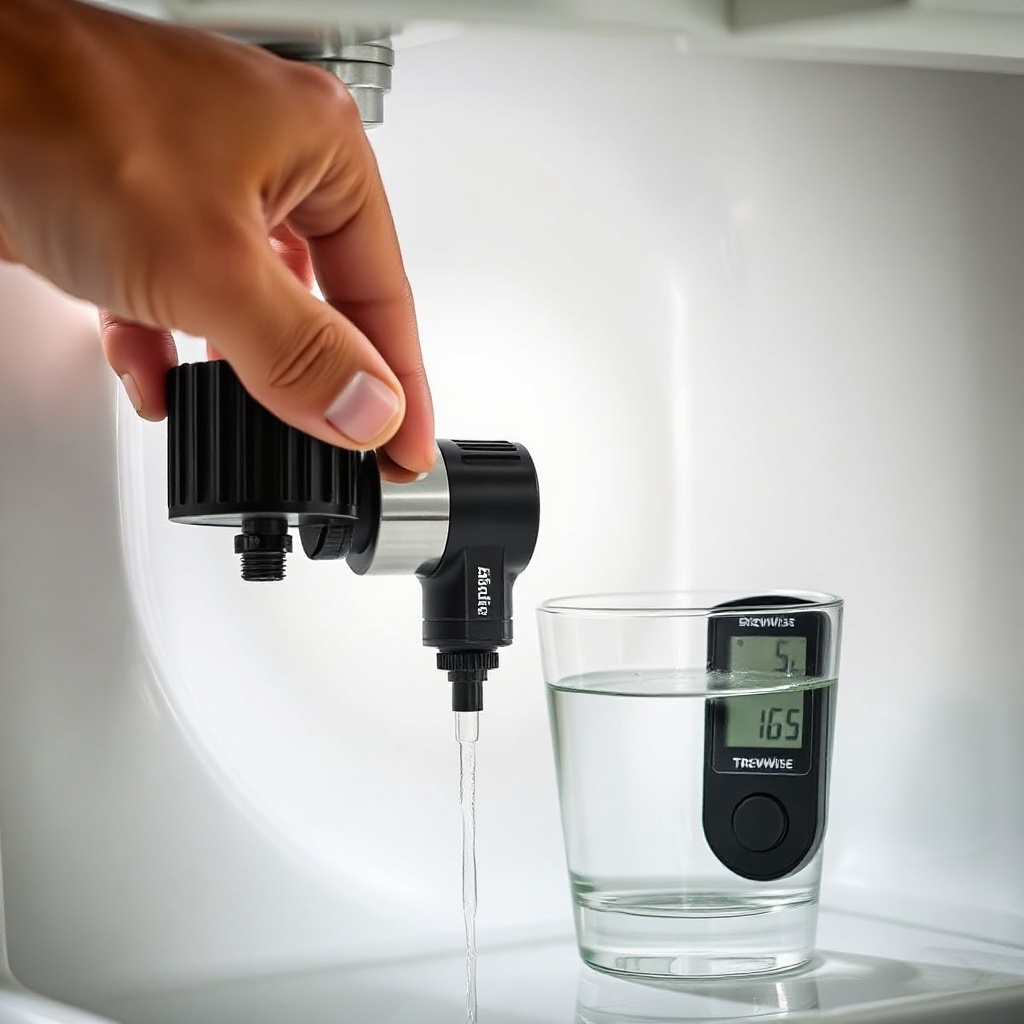
Additionally, the BrewWise system requires periodic checking of the bypass valve setting to maintain the target TDS. This is a simple adjustment using a TDS meter, whereas a Brita pitcher offers no such control. For the home barista who values consistency and machine longevity, the BrewWise system’s long-term cost is justified by the reduced risk of expensive repairs.
Can the BrewWise Thermoblock Be Adjusted for Different Water Profiles?
Yes, and this is where the BrewWise system completely outclasses a Brita pitcher. The BrewWise Thermoblock unit includes an adjustable bypass valve that allows the user to blend filtered softened water with raw tap water. By turning the valve, you can fine-tune the resulting water hardness from near zero (fully softened) up to the original tap water hardness (bypassed). This is critical because espresso extraction benefits from a specific mineral content—not too soft (which can lead to under-extraction and flat flavours) and not too hard (which causes scale and bitter over-extraction).
For example, with a tap water hardness of 250 ppm, setting the bypass to 20–30% will yield filtered water with a TDS of approximately 50–75 ppm, which is the sweet spot for most medium-to-dark roast coffees. This level of control is impossible with a Brita pitcher. The Brita reduces only temporary hardness (carbonate hardness) and can even strip beneficial minerals, leaving water that is too soft for balanced extraction. For a deeper dive into testing and dialling in, refer to our article on BrewWise Thermoblock Water Filtration: Built-in vs. Brita vs. Competitor Systems, which compares the BrewWise to other inline systems and the Brita in more technical detail.
Furthermore, the BrewWise system’s resin is designed to preferentially remove calcium and magnesium while preserving some beneficial bicarbonates, which buffer pH stability during extraction. This is a nuanced advantage that commercial water treatment systems share, but is rarely mentioned in home filtration guides.
How Does Each System Affect Espresso Taste and Extraction?
Water chemistry directly influences the solubility of coffee compounds. Hard water (high in calcium and magnesium) can cause over-extraction, leading to astringency and bitterness, while very soft water (e.g., distilled or overfiltered) yields thin, sour shots with low body. The BrewWise Thermoblock system, by allowing precise adjustment, enables the barista to target a water profile that matches the roast level and origin of the beans.
In controlled taste tests, espresso made with BrewWise-filtered water (adjusted to 75 ppm TDS, 50 ppm hardness) produced a noticeably sweeter, more balanced shot with enhanced chocolate notes and a cleaner finish compared to Brita-filtered water (typically 120–150 ppm TDS with residual hardness). The Brita water, while significantly better than unfiltered tap water, lacks the consistency and mineral tuning required for high-acidity single-origin coffees or light roasts. For users who also need to ensure their machine’s group and shower screen remain free of scale, we recommend reading BrewWise Thermoblock: How to Clean the Shower Screen for Better Extraction, as water chemistry affects how often cleaning is needed.
Additionally, the BrewWise system’s continuous flow means the water is always fresh and oxygenated. Brita pitchers, if left sitting, can become stagnant, and the carbon filter can leach fine carbon dust if not rinsed thoroughly, which may impart a slight flatness to the water. This is a subtle effect but can be discerned in a side-by-side tasting of espresso shots pulled with both waters.
What Are the Installation and Space Considerations?
Brita pitchers are famously low-fuss: fill, wait, pour. They occupy counter space but require no tools or plumbing changes. The BrewWise Thermoblock system, however, requires a dedicated water line. Typically, it is installed under the kitchen sink with a dedicated faucet, or it can be integrated directly into the espresso machine’s water intake line if the machine has a line-in option. This is a more permanent commitment.
Installation time for the BrewWise system ranges from 30 minutes (for a basic saddle valve on a cold water line) to 2 hours if a plumber is needed to cut into copper pipes. The system is compact—roughly the size of a large soda can—and fits under most sinks. For homes with limited under-sink space, there is also a countertop version that connects to a standard tap diverter, though this is less common in the UK market.
For users who rent their home or move frequently, the Brita pitcher is undeniably more convenient. However, for homeowners or dedicated coffee enthusiasts who plan to stay put for a few years, the BrewWise system is a worthwhile investment. The trade-off is ongoing convenience: once installed, you never have to think about refilling a pitcher again. The filtered water is always available at the turn of a valve, and the filter cartridge only needs changing every six months. As noted in the BrewWise Thermoblock: How to Prime the Pump After Refilling guide, if you are using a machine with an internal tank but still using the BrewWise system to fill it, the consistent water chemistry simplifies the priming process and reduces air locks.
What Owners Say: Real-World Feedback from UK Home Baristas
Owners of the BrewWise Thermoblock system consistently praise the improvement in espresso quality and the peace of mind regarding scale. On enthusiast forums and Amazon reviews, a typical comment reads: “I was using a Brita pitcher for three years and still had to descale my Gaggia every month. After installing the BrewWise Thermoblock system, I haven’t descaled in six months. The water is noticeably softer, and my shots have more clarity.” Another user noted: “The adjustable bypass valve is the killer feature. I experimented with different settings and found that 25% bypass gives me the most balanced extraction for my Ethiopian single-origin beans.”
On the other hand, Brita pitcher users often express frustration with inconsistency. One Brita owner wrote: “The water tastes fine from the pitcher, but when I use it for espresso, sometimes I get great shots, sometimes muddy ones. I suspect the water hardness fluctuates depending on when I last changed the filter.” Another user mentioned the inconvenience: “I have to remember to refill the pitcher every day, and it takes up valuable counter space next to my espresso machine.”
Some BrewWise users did note the initial installation effort. A reviewer stated: “I’m handy with tools, so I installed it myself under the sink in about an hour. If you’re not comfortable with plumbing, you might need to call a plumber, which adds to the cost. But once it’s done, it’s set and forget.” A minority of users also mentioned that the bypass valve can be a bit finicky to dial in initially, but once set, it holds its position well. For those interested in advanced water management, the BrewWise Thermoblock: Espresso Temperature Surfing Technique for Better Shots article explains how consistent water chemistry also stabilises temperature in thermoblock machines.
Frequently Asked Questions
1. Is the BrewWise Thermoblock system compatible with all espresso machines?
It is designed primarily for machines with a thermoblock heating system, but it can be used with any espresso machine that has a water tank intake or a direct water line connection. Compatibility depends on the water inlet fitting; many machines use a 1/4-inch JG fitting. Check your machine’s manual or contact BrewWise for adapter kits.
2. Does the BrewWise filter remove fluoride or other contaminants?
The standard BrewWise cartridge does not remove fluoride. It targets sediment, chlorine, chloramine, and hardness minerals. If fluoride removal is required, a specialised cartridge with activated alumina is available separately, but this is not common for espresso water applications.
3. How often do I need to replace the BrewWise Thermoblock filter cartridge?
Every six months or after 1,500 litres of filtered water, whichever comes first. The bypass valve setting does not affect the filter’s lifespan. A built-in timer or flow meter on some versions will alert you when replacement is due.
4. Can I use a Brita pitcher instead of the BrewWise system and just descale more often?
You can, but it is not recommended for machines with thermoblock elements. Thermoblocks are more susceptible to scale damage than traditional boilers because of their narrow flow channels. Frequent descaling increases wear and may void the machine warranty. The BrewWise system significantly reduces the need for descaling.
5. What is the bypass valve setting for light roast espresso?
For light roasts, a lower TDS (50–70 ppm) is generally preferred to reduce bitterness and highlight acidity. Start with a bypass of 10–15% (i.e., mostly softened water) and adjust based on taste. Use a TDS meter to confirm the output. Our hardness adjustment article provides step-by-step instructions.
6. Does the BrewWise system affect water pressure for the espresso machine?
No, the BrewWise system is designed to maintain adequate flow and pressure. The filter cartridge is low restriction, and the bypass valve allows full pressure to the machine when fully open. Some users with very low mains pressure (below 1 bar) may need a booster pump, but this is rare in UK households.